


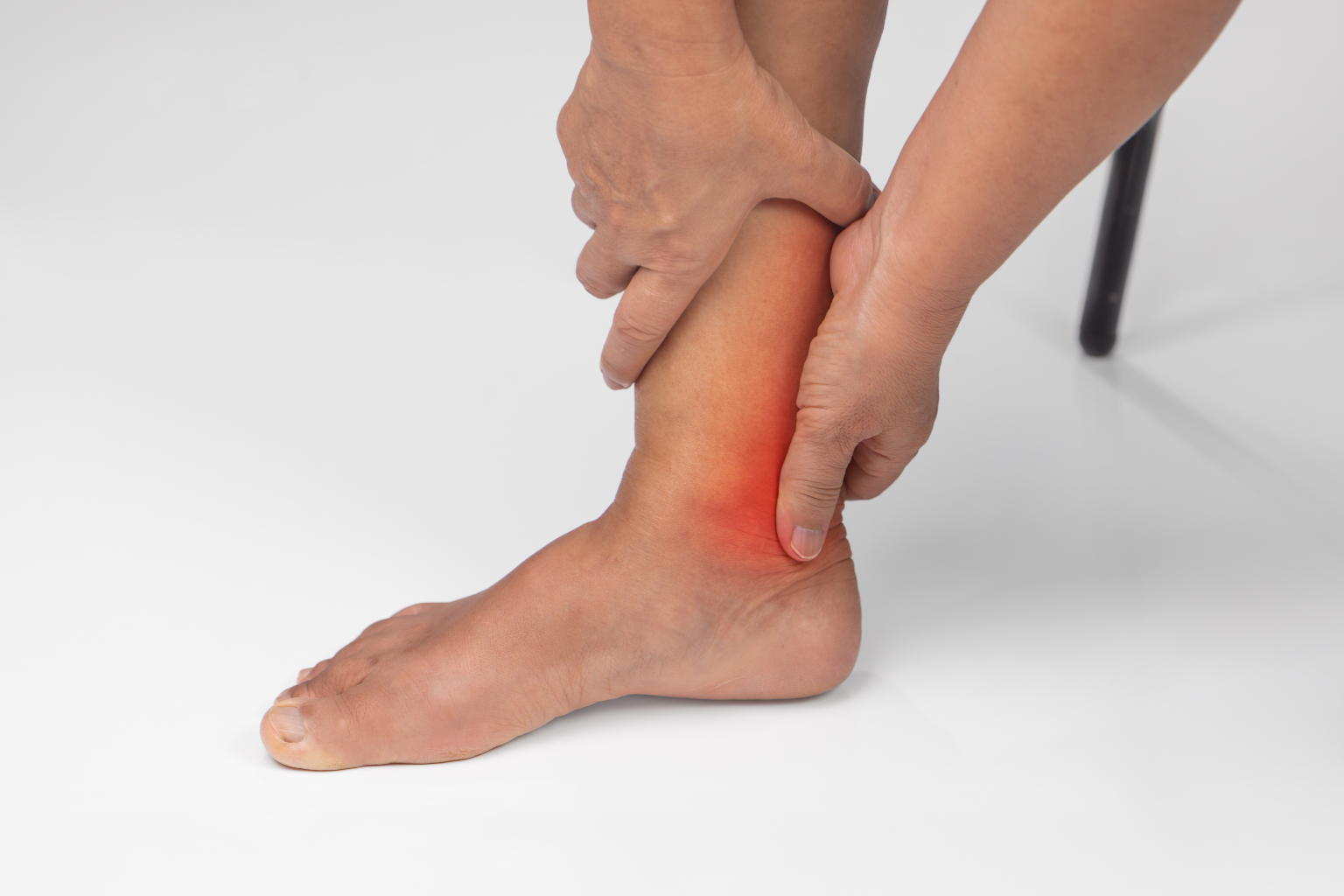
What is ankle pain?
Ankle pain is a musculoskeletal complaint affecting active people and those with sedentary lifestyles alike. It can arise from acute ligament injury, tendon overload, cartilage damage within the ankle joint, or degenerative conditions. Symptoms range from localised joint-line pain and swelling to stiffness, instability, and difficulty with weight-bearing.
Your ankle is a complex structure of bones, ligaments, tendons, and cartilage that bears your weight and enables movement in multiple directions. When any part is injured or inflamed, you feel pain and loss of function. The good news is that most ankle problems respond well to conservative treatment when caught early and managed properly.
Common causes and why it happens
Ankle sprains and chronic instability
An ankle sprain occurs when ligaments are stretched or torn, usually after a sudden twist or inversion injury. Most sprains heal within weeks, but some people develop persistent symptoms. Residual swelling, scar tissue, or altered movement patterns can lead to ongoing pain, a full feeling, or catching sensations, especially during activities like walking downhill or squatting. Previous sprains increase the risk of future ankle instability.
Ankle osteoarthritis
Unlike osteoarthritis of the knee or hip, ankle arthritis is often triggered by prior injury, a fracture, repeated sprains, or ligament damage. Over time, cartilage thins, bone changes occur, and the joint becomes stiff and painful. Weight-bearing, stairs, and uneven ground typically aggravate symptoms. Morning stiffness is common, and you may notice a grating or catching sensation with movement.
Posterior tibial tendinopathy
The posterior tibial tendon supports your arch and controls hindfoot motion. Overload from activity, footwear problems, or weight gain can inflame this tendon. You will feel pain on the inside of the ankle and foot, particularly with walking, stairs, or single-leg heel raises. In advanced cases, the arch can flatten progressively.
Peroneal tendinopathy
The peroneal tendons run behind the outer ankle bone and stabilise the joint. Runners on cambered surfaces or people with certain foot shapes are at higher risk. Pain appears on the outside of the ankle, worse with uneven ground or side-to-side movements. Occasionally, you may feel a snapping sensation.
Bursa inflammation and soft-tissue pain
Small fluid-filled sacs (bursae) around the ankle can become inflamed, causing localised swelling and tenderness. This often responds well to rest, ice, and targeted injection therapy.
Symptoms to watch for
- Sharp or dull pain in the ankle, felt on the front, inside, or outside
- Swelling or a sense of fullness around the joint
- Stiffness, especially after rest or in the morning
- Difficulty with weight-bearing or walking on uneven surfaces
- A catching, clicking, or grinding sensation with movement
- Instability or a feeling that the ankle might give way
- Restricted range of motion, particularly bending the foot upwards
- Warmth or redness around the ankle
Visit our Bishop's Stortford clinic for a personalised assessment, expert medical advice, and treatment recommendations tailored to your individual needs.

When to see a doctor
You should seek medical attention if ankle pain persists beyond a few days, worsens despite rest and ice, or interferes with daily activities and work. Pain after a fall or twisting injury, sudden swelling, or inability to bear weight warrant prompt evaluation. If you have signs of a severe sprain or fracture, extreme swelling, severe pain, deformity, or bruising, see a clinician urgently or attend A&E.
Chronic ankle pain that has lasted weeks or months despite self-care also warrants proper assessment. An experienced clinician will examine your ankle, review your injury history, and order imaging if needed to establish a diagnosis and guide your treatment.
Treatment options
Conservative treatment
Most ankle conditions improve with early, structured conservative care. Rest, ice, and elevation reduce acute swelling. A physiotherapist designs a progressive programme to strengthen the ankle, improve balance, and restore normal movement patterns. Custom insoles or bracing can offload painful structures and correct alignment. Choosing supportive footwear and modifying activity to avoid painful positions supports your recovery. Weight management reduces cumulative load through the joint.
Conservative treatment is the foundation for all ankle conditions and should be given time to work, typically 6 to 12 weeks or longer, depending on the injury.
Medical treatment
When conservative care alone is not sufficient, targeted cortisone injections may help. An injection into the ankle joint or around an inflamed tendon or bursa reduces inflammation and pain, often providing 4 to 8 weeks of relief. This window of improved comfort allows you to engage more effectively in physiotherapy and rehabilitation work, accelerating functional gains.
Your clinician will determine whether an injection is appropriate for your condition. Injections are not a first-line treatment and do not reverse structural damage like cartilage loss, but they can be a valuable tool to break a pain cycle and restore confidence in your ankle.
Surgical treatment
Surgery is considered when conservative and medical treatments have been exhausted, and symptoms remain limiting. Depending on your diagnosis, options include cartilage repair, joint fusion, removal of scar tissue or loose fragments, or tendon repair. A consultant orthopaedic surgeon will assess whether surgery is likely to improve your function and quality of life before proceeding.
Visit our Bishop's Stortford clinic for a personalised assessment, expert medical advice, and treatment recommendations tailored to your individual needs.
Recovery and prevention
Recovery from ankle pain depends on the underlying cause and the treatment approach. Conservative cases often improve over 6 to 12 weeks with consistent physiotherapy. Post-injection recovery typically shows noticeable improvement within days to weeks.
To prevent future ankle problems, maintain ankle strength and flexibility with regular, gentle exercises. Wear appropriate footwear for your activities. If you are a runner, avoid sudden changes in training intensity or surface type. Pay attention to your body's signals, rest and modify activity if pain develops. Maintain a healthy weight to reduce the load on the joints. For those with a history of instability, proprioceptive training (balance and control exercises) helps prevent re-injury.
How SABA Health Clinic can help
If ankle pain is affecting your daily life, our doctors at SABA Health Clinic in Bishop's Stortford can help you find answers and a treatment plan that fits you. Same-day and next-day appointments are available.
- Consultant-led assessment of ankle pain by a specialist orthopaedic surgeon
- Expert guidance on physiotherapy, bracing, and injection therapy
- Surgical referral and specialist review where needed
- No GP referral needed
- Same-day and next-day appointments available
- Book an appointment online
Visit our Bishop's Stortford clinic for a personalised assessment, expert medical advice, and treatment recommendations tailored to your individual needs.

.png)

.png)