


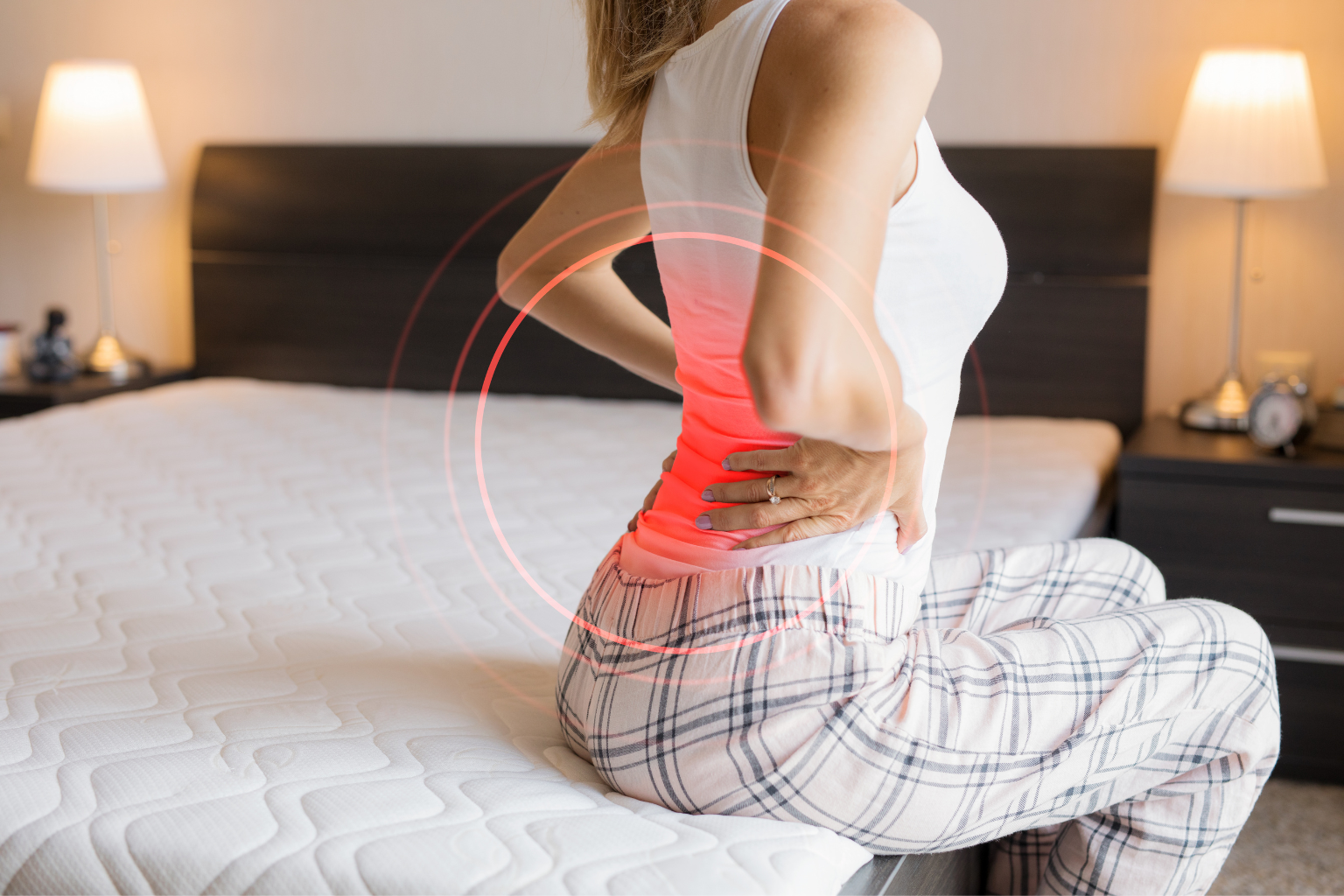
What is back pain?
Back pain is one of the most common reasons people visit their GP. It can range from a dull ache to a sharp, shooting sensation that limits your movement. According to the NHS, most back pain is mechanical, meaning it stems from how your spine, muscles, ligaments, and nerves work together rather than from serious disease. The good news is that most acute back pain (pain that comes on suddenly) improves within weeks, even without specific treatment. Understanding what helps and what hinders your recovery is the first step to getting back to the activities you enjoy.
Common causes / why it happens
Muscle strain and poor posture
Muscles around your spine can become fatigued or strained from lifting awkwardly, sitting in one position for too long, or sudden movements. Poor posture puts extra stress on the muscles and discs in your back, making them more prone to injury. Even a minor strain can trigger protective muscle tension that feels more painful than the original injury.
Disc problems
The discs between your vertebrae act as shock absorbers. Over time or due to injury, a disc can bulge or slip slightly, putting pressure on nearby nerves. This can cause pain locally or radiating pain down the leg. The name "slipped disc" is common, but the disc hasn't actually gone anywhere. What matters for recovery is gentle movement that helps your body reabsorb fluid in the disc and regain strength. For slipped disc treatment, staying active rather than resting in bed is the approach recommended by NHS clinicians.
Osteoarthritis and age-related changes
As you age, the cartilage in your spine can wear down, leading to osteoarthritis. This might sound alarming, but many people with spine osteoarthritis have no pain at all. Staying active helps maintain joint mobility and muscle support, which reduces symptoms.
Repetitive strain and occupational factors
Jobs involving heavy lifting, repetitive bending, or prolonged sitting can strain your back over time. Drivers, gardeners, office workers, and healthcare staff all report significant back pain. The key is understanding that movement, rather than avoiding it, helps your body adapt and recover.
Sedentary lifestyle
Ironically, inactivity is both a risk factor for back pain and a common response to it. Weak core muscles, stiff joints, and deconditioning make your spine more vulnerable to injury. The longer you remain immobilised, the harder recovery becomes.
Visit our Bishop's Stortford clinic for a personalised assessment, expert medical advice, and treatment recommendations tailored to your individual needs.

Symptoms to watch for
Back pain can present in a number of ways. These are the most commonly reported symptoms:
- Constant dull ache across the lower or mid-back
- Sharp, stabbing pain when you move
- Stiffness that improves slightly with gentle movement
- Muscle tension or spasm
- Pain radiating down one leg (sciatica)
- Difficulty sitting, standing, or bending for long periods
Most back pain eases with time and gentle activity. However, certain symptoms warrant urgent medical attention and are discussed in the next section.
When should you see a doctor?
You should book an appointment with your GP if back pain lasts more than a few weeks, worsens despite trying gentle activity, or is severely limiting your daily life. However, some symptoms need prompt or urgent assessment. These are known as back pain red flags and require medical review regardless of whether you have been advised to keep active and avoid bed rest.
Seek urgent medical advice (A&E or 999 if you cannot safely travel) if you experience:
- Loss of bladder or bowel control, or inability to pass urine
- Severe weakness or numbness in both legs or in the groin area
- Numbness or tingling in the saddle area (between your buttocks)
- Back pain following a fall, accident, or serious injury
- Unexplained weight loss alongside back pain
- Fever or feeling unwell with back pain
- Pain that wakes you repeatedly at night or worsens when lying down
Book an appointment with your doctor if:
- Back pain persists beyond 4 weeks
- Pain is progressively getting worse
- You have a significant weakness in one leg
- You are worried about the cause
- Back pain is affecting your work, sleep, or daily activities
Visit our Bishop's Stortford clinic for a personalised assessment, expert medical advice, and treatment recommendations tailored to your individual needs.
What to do instead of bed rest
Stay gently active
According to NICE guideline NG59, staying active, even with pain, leads to better outcomes than bed rest. The advice to keep active and avoid bed rest is consistent across NHS and NICE guidance for back pain. This does not mean ignoring pain or pushing through severe flares. Instead, it means moving within your comfort zone. Short walks, changing position regularly, and gentle stretches help maintain flexibility, prevent stiffness, and support psychological confidence. Many people find that gentle movement actually eases symptoms more than lying still.
Pacing and gradual return to activity
Rather than an "all or nothing" approach, aim to balance activity and rest. Gradually increase what you do in small, manageable steps. If walking for five minutes feels manageable today, try six or seven minutes tomorrow. This approach prevents the deconditioning that comes with prolonged bed rest while respecting your body's current limits.
Conservative measures
Simple self-care often works well in the first weeks. This includes applying heat (a hot water bottle) or cold (an ice pack) to the affected area, whichever feels more soothing. Over-the-counter pain relief, such as paracetamol or ibuprofen, can help you stay active enough to recover. Good sleep hygiene and stress management also support healing.
When professional help is needed
If pain persists beyond a few weeks or worsens, a physiotherapist can assess your movement patterns, strengthen weak muscles, and design a tailored exercise plan. Physiotherapy is one of the most effective treatments for mechanical back pain and is often available on the NHS or privately.
Medical intervention
If conservative measures do not help within 6 to 8 weeks, your GP may refer you for imaging (such as an MRI scan) or specialist assessment. Some people benefit from treatments such as targeted injections or manual therapy from a chiropractor or osteopath. These options can be discussed with your doctor based on your specific situation.
Surgical options
Surgery is rarely needed for simple back pain. It is typically considered only when there is clear nerve compression causing progressive weakness or loss of bladder or bowel control, or when imaging shows specific structural problems that are directly causing symptoms. Most people recover without surgery.
Recovery and prevention
Build strength and flexibility
Once acute pain settles, regular exercise becomes crucial. This does not mean high-impact or heavy lifting. Gentle strength training (such as swimming, Pilates, or gym work under guidance), flexibility work, and core stability exercises help prevent future episodes. Your GP or physiotherapist can recommend exercises suited to your situation.
Maintain good posture
Awareness of how you sit, stand, and lift can prevent strain. Keep your screen at eye level, take regular breaks from sitting, and bend at your hips and knees (not your back) when lifting. These habits, once established, become automatic.
Stay active long-term
People who remain active, whether through work, sport, or daily movement, have fewer back pain episodes. This does not mean intense exercise. Regular walking, gardening, or swimming is enough to keep your spine mobile and your muscles strong.
Return to work gradually
If back pain has kept you off work, returning gradually helps your body readjust without relapse. Start with lighter duties or reduced hours if possible, then build up. Let your employer know about any temporary limitations.
Manage stress and sleep
Stress and poor sleep both make pain feel worse and slow healing. Techniques such as deep breathing, mindfulness, or exercise can help. If sleep is disrupted by pain, talk to your doctor about strategies to improve it.
The evidence is clear: bed rest, while tempting when you are in pain, is rarely the answer to back pain recovery. Bed rest slows recovery from acute low back pain, and this is reflected in clinical guidelines from the NHS, NICE, and international bodies. Staying gently active, gradually building strength, and addressing underlying factors give you the best chance of a full recovery and a lower risk of future problems. If back pain is affecting your quality of life or you are unsure what to do, do not wait. A GP or specialist can assess your situation, rule out serious causes, and help you get back to the activities you love.
How SABA Health Clinic can help
At SABA Health Clinic in Bishop's Stortford, our doctors can help you find answers and a treatment plan that fits your needs.
- Specialist assessment to identify the underlying cause of your back pain and guide your next steps
- Same-day and next-day appointments available, with no GP referral needed
- Guidance on physiotherapy, posture, and tailored rehabilitation to support your recovery
- Referral pathways for musculoskeletal assessment if a more detailed structural evaluation is needed
Visit our Bishop's Stortford clinic for a personalised assessment, expert medical advice, and treatment recommendations tailored to your individual needs.


.png)

.png)