


What are corticosteroid injections?
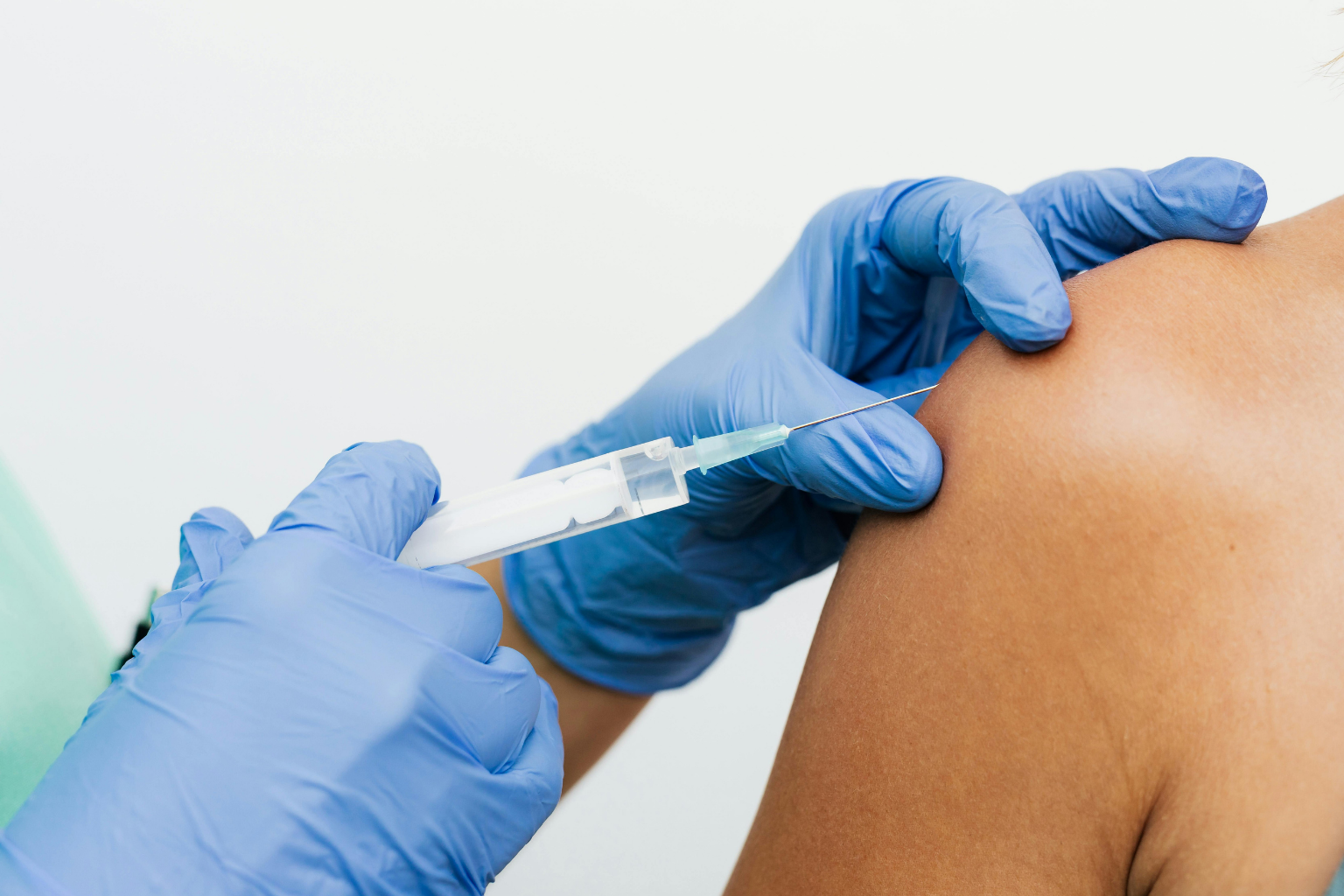
Corticosteroid injections are shots of anti-inflammatory medication delivered directly into or around a painful joint or soft tissue. According to the NHS, the medication is a synthetic version of cortisol, a natural hormone your body produces. When injected into the problem area, the steroid reduces swelling and inflammation, which helps pain settle quickly.
Corticosteroid injections are one option within the wider category of joint injections used to manage pain and inflammation.
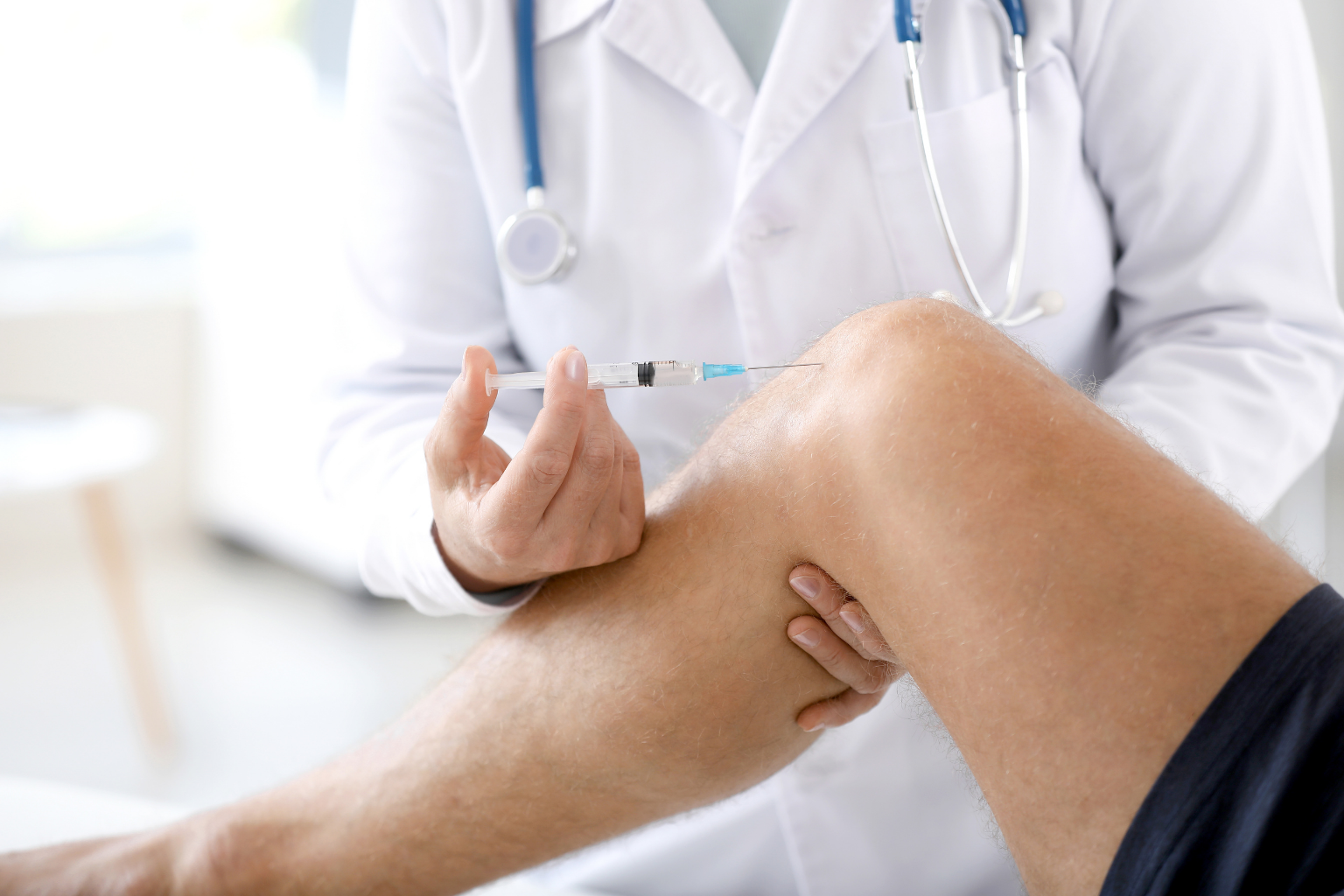
These are outpatient procedures that take just a few minutes. Your doctor uses anatomical landmarks or imaging to guide the needle to the right spot, keeping the procedure precise and safe.
The goal is not to cure the underlying problem (like arthritis) but to calm inflammation so you can function better and get back to physiotherapy or daily life.
How they work and when they're used
Corticosteroids work by dampening your body's inflammatory response. They reduce the chemicals and immune cells that trigger swelling, so pain often drops within 24 to 72 hours.
Most people experience peak relief within the first month, and the benefit can last anywhere from 4 to 12 weeks, depending on the condition and individual healing.
Osteoarthritis
If you have arthritis in a knee, hip, or other joint, an acute flare of pain and swelling is where corticosteroid injections shine. They are particularly useful when you want to avoid surgery or if you are waiting for other treatments like physiotherapy to take effect.
Tendinopathy
Conditions like rotator cuff tendinitis in the shoulder, tennis elbow, Achilles tendinopathy, and plantar fasciitis all involve inflammation of a tendon. An injection can reduce pain enough to allow you to work with a physiotherapist on strengthening and flexibility. Ankle corticosteroid injections are used the same way for Achilles tendinopathy and similar tendon problems around the joint.
Bursitis
A bursa is a small fluid-filled sac that cushions joints. When inflamed, often in the shoulder, hip, or knee, it is exquisitely painful. Corticosteroid injections work well here because they directly target the inflamed tissue.
Frozen shoulder and other conditions
Other common uses include adhesive capsulitis (frozen shoulder), carpal tunnel syndrome, de Quervain's tenosynovitis, and Morton's neuroma. Hand corticosteroid injections are also common, particularly for carpal tunnel syndrome and trigger finger. Your GP or specialist will assess whether an injection is right for your specific problem.
Book at our Bishop's Stortford clinic to have your injection placed with ultrasound guidance for precision and safety.

When this treatment might be considered
Corticosteroid injections are usually offered after conservative measures have been tried first. That typically means several weeks of rest, ice, physiotherapy, and over-the-counter pain relief have not been enough. You might be a candidate if you:
- Have significant pain that limits your daily activities or sleep
- Want to avoid oral steroids or stronger painkillers
- Need to function well while recovering (such as during physiotherapy)
- Are not ready for or do not want surgery
- Have an acute inflammatory flare in a previously stable condition
Your doctor will review your medical history, current medications, and any risk factors before recommending an injection.
When to see a doctor
You should arrange an appointment with your GP or a musculoskeletal specialist if you have persistent joint or soft tissue pain that affects your daily life and has not improved with rest and basic pain relief after a few weeks.
Seek urgent care (A&E or call 999) only if you have sudden severe swelling, warmth, redness, and fever, as these can indicate infection and need immediate assessment.
Do not delay if you have any skin infection or open wound near the problem area, as this makes an injection unsafe. Your doctor will screen for absolute contraindications, including infection, severe immunosuppression, or uncontrolled diabetes.
Benefits and risks: A balanced view
Key benefits
Rapid pain relief is the main advantage. Most people feel significantly better within a few days, compared to weeks or months with other treatments. This quick improvement often makes physiotherapy or exercise feel less daunting.
Improved mobility comes next. When pain drops, you can move your joint or limb more freely, which helps your physio work and prevents stiffness.
Localised treatment means the medication goes exactly where it is needed, minimising whole-body exposure. This is gentler than taking oral steroids.
Convenience is real too. You are in and out in minutes, no hospital stay, and you can return to light activity the same day.
Known risks and side effects
Knowing the possible corticosteroid injection side effects in advance helps you weigh the treatment with confidence.
Post-injection flare affects about 2 to 5 per cent of patients. For one to two days after the injection, pain may temporarily increase as the steroid crystals irritate the tissue. Ice and simple painkillers usually manage this, and it resolves on its own.
Skin and fat changes can occur at the injection site, such as pale or indented skin, or rarely, loss of pigmentation. These are usually temporary and cosmetic, but you should know they are possible.
Temporary blood sugar elevation happens in people with diabetes. According to the NHS, blood glucose can rise for several days to two weeks after an injection. If you have diabetes, inform your doctor so blood sugar monitoring can be arranged.
Infection is rare when sterile technique is used, but like any injection, there is a small risk. Discuss any signs of infection (spreading redness, warmth, pus, fever) with your doctor immediately.
Frequency limits matter. Current guidance recommends no more than 3 to 4 injections per joint per year, with at least 3 months between repeat injections. Exceeding these limits may theoretically increase the risk of tendon weakness or cartilage damage over time, though research has not yet shown harm when guidelines are followed.
Longer-term considerations
Corticosteroid injections do not promote tissue healing. If you have a tendon tear or ligament rupture, an injection reduces pain but will not repair the damage. Depending on the severity, you may need surgery. Your doctor will clarify what the injection can and cannot do for your specific injury.
Conservative options, physiotherapy, modified activity, and time, should generally be tried first. An injection is not a replacement for strengthening and rehabilitation; it is a tool to make those treatments possible.
Book at our Bishop's Stortford clinic to have your injection placed with ultrasound guidance for precision and safety.
What to expect during and after the procedure
During the injection
The procedure is quick, typically 5 to 10 minutes. You will lie or sit in a position that exposes the area to be injected. Your doctor will clean the skin with an antiseptic and may apply a numbing spray or local anaesthetic to the injection site.
Many clinicians mix a local anaesthetic with the steroid, so you feel minimal discomfort, usually just a brief sting as the needle goes in.
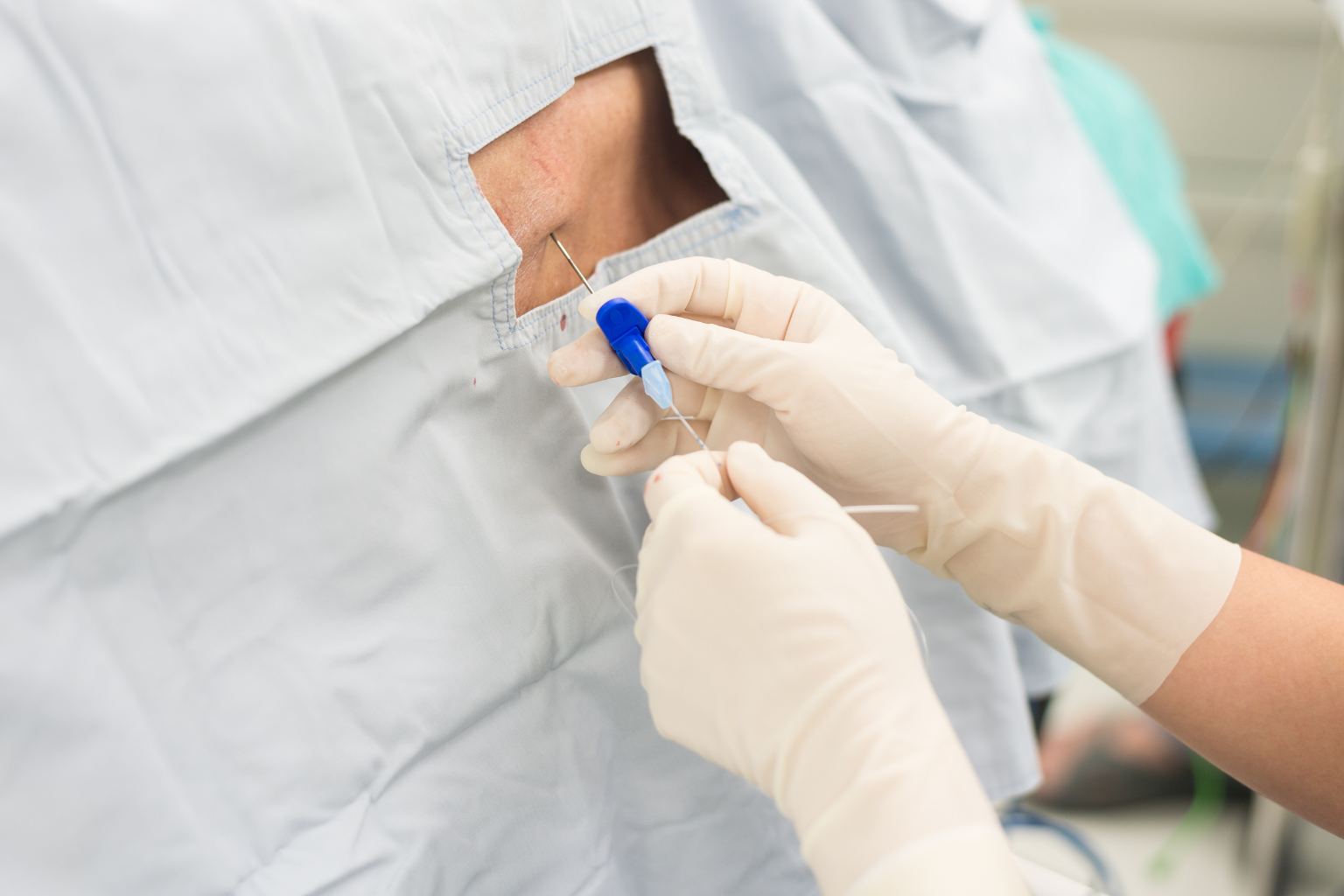
Your doctor uses landmarks or ultrasound imaging to guide the needle precisely. If ultrasound is used, you may see the needle on the screen, which can be reassuring. Once the medication is delivered, the needle is withdrawn and a small plaster applied.
Immediate recovery
You can walk around immediately. Most people return to light activities the same day. You will receive instructions to limit strenuous use of the injected area for 24 to 48 hours; no heavy lifting, intense exercise, or repetitive strain. Apply ice for 15 to 20 minutes if there is minor swelling.
Early response (days 3 to 7)
As anti-inflammatory effects develop, pain typically decreases. Some people notice dramatic improvement; others see gradual relief over several days. It is normal for progress to feel uneven.
Peak effect (weeks 1 to 4)
Most people experience maximum benefit within the first month. As the NHS notes, injections usually help with pain and swelling for around 2 months, giving you a window to progress with physiotherapy. If you are working with a physiotherapist, this is when exercise and strengthening often feel most manageable.
Recovery and prevention
Activity advice
Resume normal daily activities as tolerated after the initial 24 to 48 hour rest period. Gentle movement is fine and often helpful. Avoid heavy lifting, high-impact sport, or repetitive stress on the treated area for at least one week.
Work with your physiotherapist on the exercises recommended for your condition. An injection gives you a pain-free window to progress rehabilitation, which is where real improvement comes from.
Long-term management
An injection is part of a broader plan, not a standalone fix. To prevent recurrence, focus on:
- Strength and flexibility through targeted physiotherapy.
- Posture and biomechanics, as poor movement patterns often underlie chronic pain.
- Activity modification; avoid or adapt activities that repeatedly trigger pain.
- Weight management if relevant, particularly for knee and hip problems.
- Rest and recovery; do not overload healing tissues.
How SABA Health Clinic can help
If joint or soft tissue pain is limiting your life, our doctors at SABA Health Clinic can help you find answers and a treatment plan that fits you.
- Specialist assessment for joint pain and musculoskeletal conditions
- Ultrasound-guided corticosteroid injections for accuracy and safety
- Same-day and next-day appointments available
- No GP referral needed
Book at our Bishop's Stortford clinic to have your injection placed with ultrasound guidance for precision and safety.

.png)







.svg)


