

What is Elbow Pain?
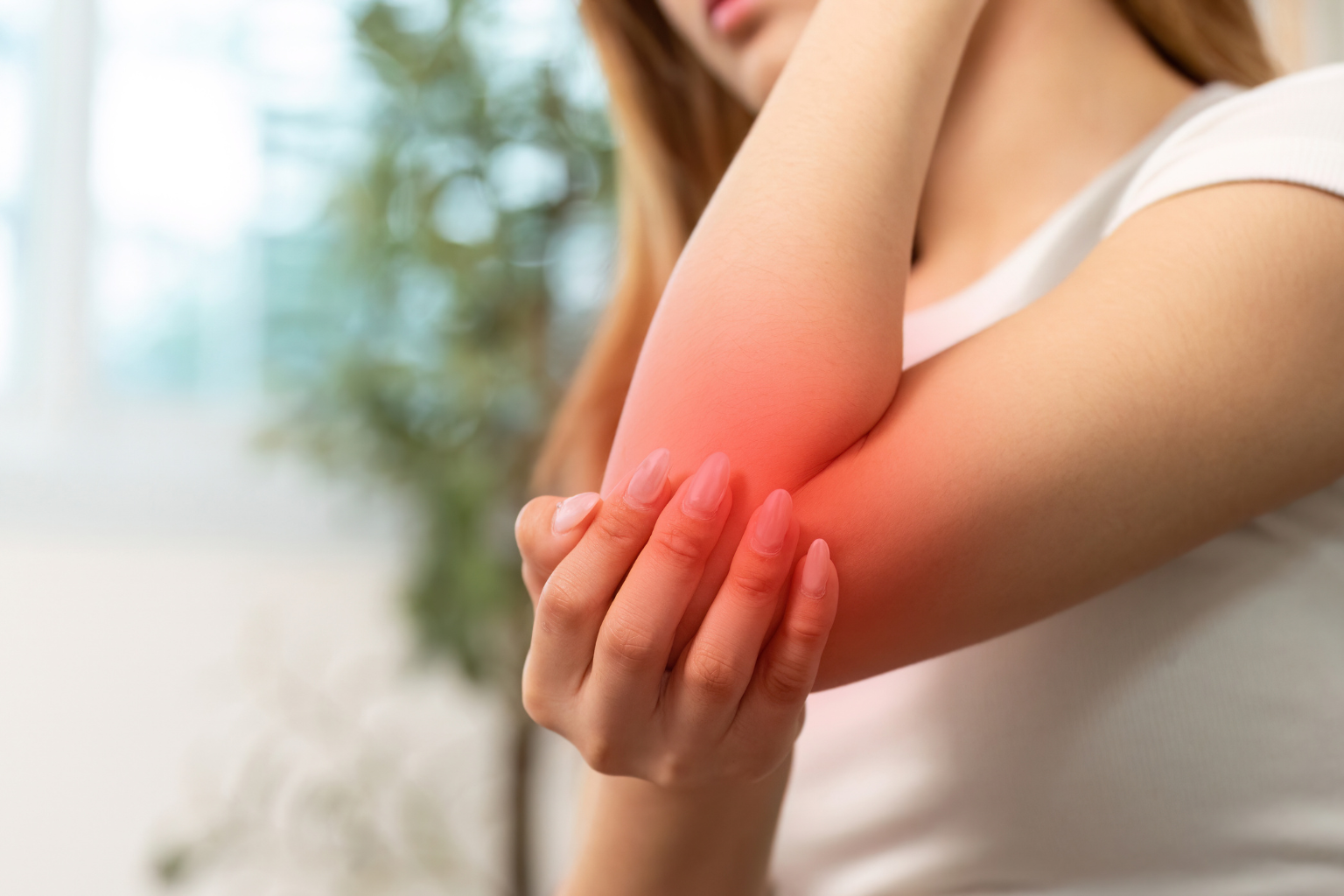
Elbow pain is a common musculoskeletal complaint affecting people of all ages, from office workers to athletes. Your elbow is a complex joint made up of bone, tendons, muscles, and ligaments that work together to let you bend, straighten, grip, and rotate your forearm. When any of these structures become inflamed, strained, or irritated, you’ll feel pain that can range from a dull ache to sharp, shooting discomfort.
The pain might come on suddenly after an injury, or gradually build up from repetitive movements over weeks or months. Either way, it can significantly impact your ability to work, exercise, and enjoy life.
Common Causes of Elbow Pain
Tennis Elbow (Lateral Epicondylitis)
Despite its name, tennis elbow affects far more office workers and manual labourers than tennis players. It develops when the tendons on the outer side of your elbow become inflamed from overuse. This typically happens with repetitive gripping, lifting, or wrist extension, such as typing for hours, using power tools, or playing racquet sports with improper technique. Peak incidence occurs between ages 35 and 55.
You’ll notice pain on the outside of your elbow radiating into your forearm, worsened by gripping, lifting objects, or turning a doorknob.
Golfer’s Elbow (Medial Epicondylitis)
Golfer’s elbow affects the inner side of your elbow, where the flexor tendons control wrist bending and gripping. Contrary to its name, most cases occur in manual workers, racquet sport players, or people performing repetitive gripping or throwing. Pain develops in the inner elbow and may shoot down your forearm.
Olecranon Bursitis
At the tip of your elbow sits a small fluid-filled sac called a bursa. When irritated, this bursa swells painfully, creating a noticeable bump at the back of your elbow. Causes include direct trauma (falling on your elbow), prolonged pressure (leaning on hard surfaces), or infection. Unlike tennis or golfer’s elbow, bursitis pain is localised to the very tip of your elbow. Swelling and warmth are common.
Osteoarthritis of the Elbow
Degenerative changes can develop in the elbow joint itself, especially if you’ve had previous fractures, dislocations, or years of heavy use. Osteoarthritis causes progressive cartilage loss, leading to stiffness, grinding sensations, and pain, particularly at the end of elbow extension. You may also notice a reduced range of motion and difficulty straightening your arm fully.
Ulnar Nerve Issues
Your ulnar nerve runs along the inside of your elbow. Compression or irritation causes tingling, numbness, and weakness in your ring finger and pinky, alongside elbow pain. You might feel symptoms worsen when your elbow is bent for long periods, such as when holding a phone to your ear or sleeping with your arm folded.
Symptoms to Watch For
Common signs of elbow conditions include:
- Localised pain on the outer side (tennis elbow), inner side (golfer’s elbow), or tip of your elbow
- Pain with specific movements, gripping, lifting, twisting, or straightening your arm
- Weakness in your hand grip or difficulty holding objects
- Stiffness upon waking or after rest, improving with gentle movement
- Swelling or visible puffiness around the elbow joint
- Tingling or numbness in your forearm, hand, or fingers (suggests nerve involvement)
- Grinding or clicking sensation when moving your elbow (often degenerative changes)
- Radiating pain down your forearm or into your wrist
Visit our Bishop's Stortford clinic for a personalised assessment, expert medical advice, and treatment recommendations tailored to your individual needs.

When to See a Doctor
You should book an appointment with a GP or specialist if:
- Your elbow pain persists for more than a few weeks despite rest and over-the-counter pain relief
- Pain is severe enough to limit your work, hobbies, or daily activities
- You have significant swelling, redness, or warmth (signs of possible infection)
- You notice weakness or tingling in your hand or fingers (possible nerve involvement)
- You’ve had a direct injury or fall onto your elbow and pain doesn’t improve within a few days
- Your symptoms are worsening despite trying rest and ice
A qualified doctor can examine your elbow, order imaging if needed, identify the exact source of your pain, and recommend the most appropriate treatment path.
Treatment Options
Conservative Management (First-Line)
Most elbow conditions respond well to non-invasive measures, especially when started early.
Rest and activity modification: Temporarily reduce or avoid activities that aggravate your symptoms. This doesn’t mean complete immobilisation, but rather being mindful of your elbow’s limits. Gradual return to normal activities is key.
Ice and compression: Apply ice for 15 to 20 minutes several times daily, especially in the first 48 hours. A compression sleeve or wrap can reduce swelling and provide support.
Over-the-counter pain relief: Paracetamol or ibuprofen (following packet instructions) can help manage pain and reduce inflammation. Always read labels and speak to a pharmacist if you have concerns.
Physiotherapy and rehabilitation: Structured exercises targeting strength, flexibility, and movement patterns are one of the most effective long-term approaches. A physiotherapist can design a programme tailored to your condition and activity level, addressing any biomechanical issues that contributed to your pain.
Ergonomic adjustments: If your job triggered your elbow pain, simple changes can prevent recurrence: adjust your computer workstation height, use an ergonomic keyboard and mouse, use proper tool handling technique, ensure adequate warm-up before activities, and take regular breaks from repetitive tasks.
Medical Interventions
When conservative measures aren’t enough, injectable therapies can provide rapid pain relief and support rehabilitation.
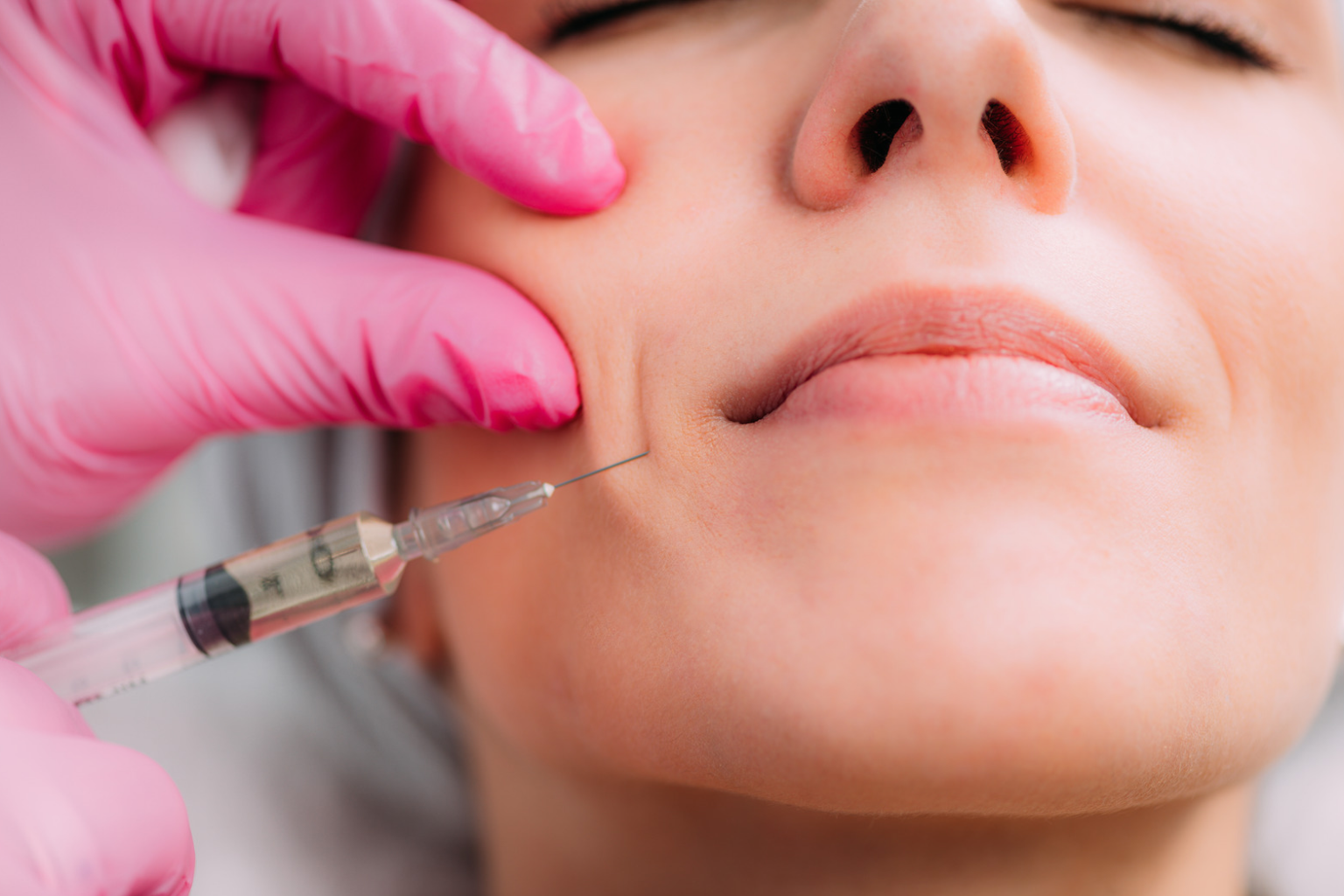
Corticosteroid injections: A doctor injects a small amount of corticosteroid medication directly into the inflamed tissue. This reduces inflammation and pain, often providing relief within 2 to 6 weeks. It’s a minimally invasive outpatient procedure requiring no surgery or downtime.
However, evidence shows corticosteroid injections provide superior short-term relief but have higher recurrence rates at 6 to 12 months compared to physiotherapy alone. Injection is most appropriate when you need rapid pain relief to maintain work function, combined with comprehensive rehabilitation and activity modification to ensure long-term success.
Platelet-rich plasma (PRP) injection: This emerging therapy uses concentrated growth factors from your own blood to promote healing. Research is ongoing, but early evidence suggests PRP may support longer-lasting improvement than corticosteroids, particularly for chronic tendon conditions.
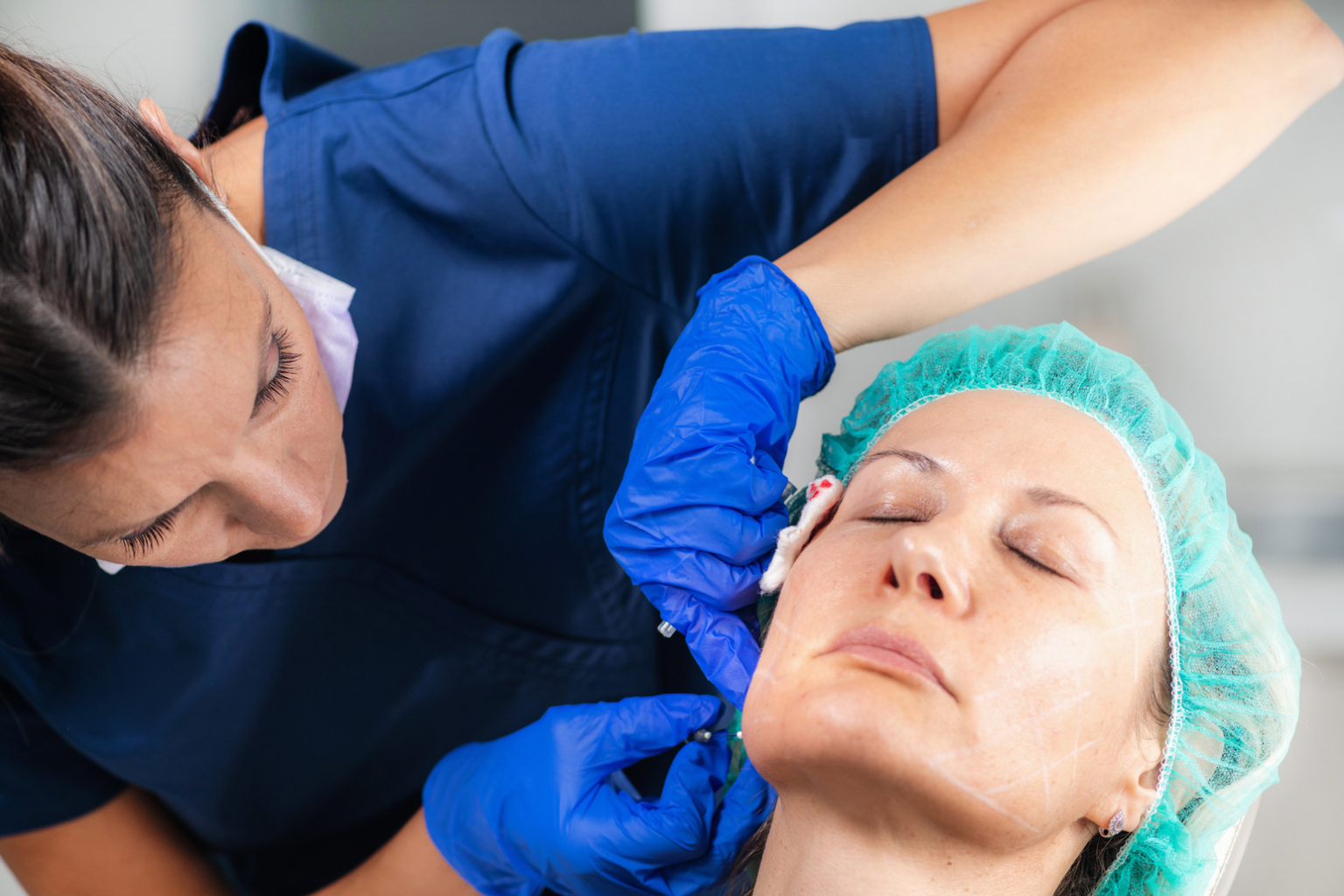
Ultrasound-guided injections: High-precision guidance ensures medication reaches the exact source of pain, improving effectiveness.
Surgical Options
Surgery is reserved for cases that fail conservative and medical management over 6 to 12 months.
Surgical removal of damaged tissue: For tennis or golfer’s elbow, a surgeon may remove the degenerated portion of the tendon and reattach the healthy tissue to the bone.
Bursa removal: For olecranon bursitis that doesn’t respond to injection or conservative care, the inflamed bursa can be surgically removed.
Nerve decompression: For ulnar nerve compression, surgery can release the nerve from surrounding tissues, alleviating tingling and weakness.
Joint reconstruction: In advanced elbow osteoarthritis, surgical procedures can restore joint alignment and reduce pain, though these are typically reserved for severe, symptomatic cases.
Your doctor will discuss whether surgery is appropriate based on the severity of your condition, your age and health, and your functional goals.
Visit our Bishop's Stortford clinic for a personalised assessment, expert medical advice, and treatment recommendations tailored to your individual needs.
Recovery and Prevention
Recovery timelines vary depending on the condition and treatment chosen. Conservative management typically requires 6 to 12 weeks of consistent effort, whilst corticosteroid injection may provide relief within 2 to 6 weeks. Post-injection, most patients can gradually resume normal activities, though heavy gripping should be avoided for 48 to 72 hours.
To prevent elbow pain from returning:
- Strengthen gradually: Perform targeted exercises for your forearm and grip muscles, progressing slowly to avoid re-injury
- Warm up properly: Always prepare your tissues before activities, especially sports and manual work
- Use proper technique: Learn correct form for any sport or repetitive task (tennis grip, racquet grip size, tool handling)
- Pace yourself: Avoid sudden increases in activity intensity or duration; build load gradually
- Take breaks: Interrupt repetitive tasks with rest periods throughout the day
- Maintain flexibility: Gentle stretching keeps your forearm muscles and tendons supple
- Optimise your environment: Ensure your desk, tools, and equipment support good posture and ergonomics
Elbow pain doesn’t have to derail your life. Whether your symptoms are mild or severe, early assessment and appropriate treatment offer excellent chances of recovery. The key is addressing both the immediate pain and the underlying cause.
How SABA Health Clinic can help
At SABA Health Clinic in Bishop's Stortford, our doctors can help you find answers and a treatment plan that fits your needs.
- Specialist assessment to identify the underlying cause of your elbow pain and guide your next steps
- Same-day and next-day appointments available, with no GP referral needed
- Ultrasound-guided corticosteroid or PRP injections as part of a comprehensive treatment plan
- Referral pathways for physiotherapy and musculoskeletal assessment to support your recovery
Visit our Bishop's Stortford clinic for a personalised assessment, expert medical advice, and treatment recommendations tailored to your individual needs.

.png)

.png)