

What is hip pain?
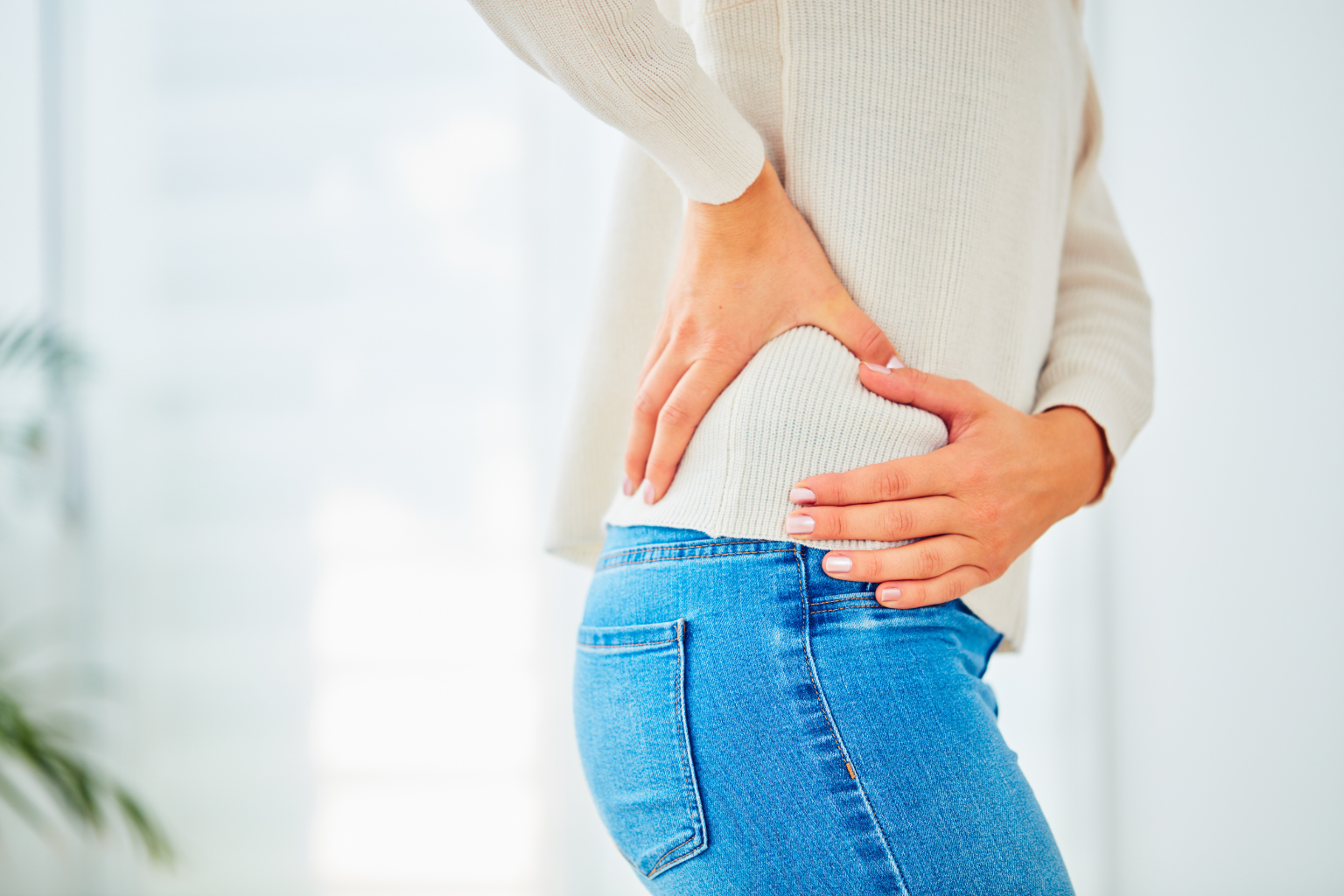
Hip pain refers to discomfort in or around the hip joint, which is a ball-and-socket joint connecting your thighbone to your pelvis. This joint is complex, with cartilage, ligaments, tendons, muscles, and nerves all working together to provide movement and stability.
Pain can come from the joint itself, the surrounding soft tissues, or even from lower back problems that refer pain to the hip region. Accurate diagnosis matters because different causes require different treatments.
Common causes: why it happens
Hip pain can stem from several conditions, depending on where you’re experiencing it.
Hip osteoarthritis
Osteoarthritis involves the gradual wear and tear of the cartilage that cushions your hip joint. It’s common in people over 60 and causes pain in the front of the hip or groin, especially with walking or prolonged activity. Your hip may feel stiff in the morning, and you might notice it becoming harder to rotate or bend your leg fully.
The good news is that conservative treatment (exercise, activity modification, and injections when needed) can provide meaningful relief for many people.
Femoroacetabular impingement (FAI)
This condition develops when the hip joint has abnormal bone growth that causes the ball and socket to pinch during movement. It typically affects younger, active adults and produces sharp pain in the front of the hip or groin, especially with activities like climbing stairs or pivoting. You might feel clicking or catching in the joint.
Early diagnosis and physiotherapy can help prevent long-term damage.
Gluteal tendinopathy and greater trochanteric pain syndrome
This is the most common lateral (outer) hip pain condition, particularly in women aged 40 to 60. Pain develops over the bony bump on the outside of your hip (greater trochanter) and worsens with prolonged standing, climbing stairs, or lying on that side. It results from the overuse of the hip abductor muscles and is closely related to bursitis.
Strengthening exercises and activity modification provide excellent long-term results.
Hip labral tears
The labrum is a cartilage ring that deepens your hip socket and stabilises the joint. Tears can occur from sudden injury or repetitive stress (common in athletes) and cause clicking, catching, or locking sensations along with anterior hip pain.
Mechanical symptoms are often the key clue that the joint itself is involved.
Hamstring tendinopathy
Pain at the back of your hip or deep in the buttock over the "sit bone" suggests hamstring tendon irritation. This is common in runners and people who sit for long periods. Pain typically worsens with activities like running, stretching, or sitting on hard surfaces.
Eccentric strengthening and gradual return to activity work well for recovery.
Symptoms to watch for
- Anterior (front) hip or groin pain
- Lateral (outer) hip pain over the greater trochanter
- Posterior (back) hip or deep buttock pain
- Pain radiating down the thigh toward the knee
- Clicking, catching, locking, or giving way in the joint
- Stiffness, especially in the morning
- Reduced ability to bend, straighten, or rotate your hip
- Pain worsening with walking, stairs, or prolonged weight-bearing
- Pain is worse at night or disrupts sleep
- Difficulty with daily activities like getting dressed or getting in and out of the car
Visit our Bishop's Stortford clinic for a personalised assessment, expert medical advice, and treatment recommendations tailored to your individual needs.

When should you see a doctor?
You should consider booking an appointment if your hip pain persists for more than 6 to 8 weeks despite rest and over-the-counter pain relief, or if it’s affecting your daily function or sleep quality.
Red flags that warrant prompt medical attention include sudden, severe pain following an injury, progressive worsening despite self-care, mechanical symptoms (clicking or locking), pain that doesn’t fit a clear pattern, or signs of infection (heat, swelling, fever).
Don’t wait months hoping it will resolve on its own, early assessment helps identify the problem quickly and start effective treatment sooner.
Treatment options
Treatment depends on your specific diagnosis and how your condition responds to initial care.
Conservative management
For most hip conditions, we start with activity modification, structured physiotherapy, and sometimes anti-inflammatory medication. Physiotherapy is particularly effective for conditions like gluteal tendinopathy and hip osteoarthritis, with evidence showing that targeted strengthening exercises and movement retraining produce better long-term results than any single injection or treatment.
Avoiding painful activities and using appropriate assistive devices (like a cane) can reduce stress on the joint during healing. Weight management, when appropriate, also reduces load on the hip.
Cortisone injections
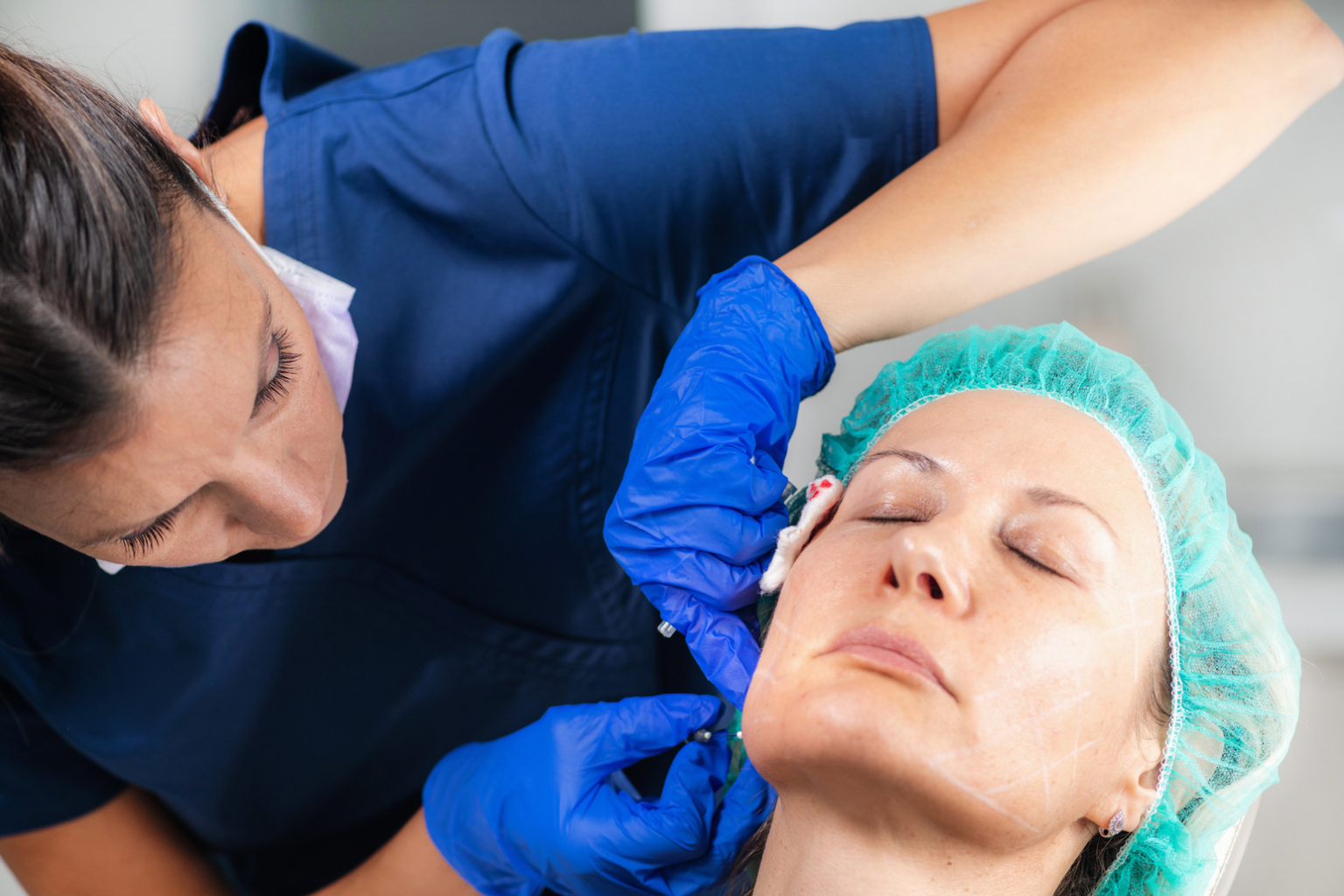
Image-guided cortisone injections deliver powerful anti-inflammatory medication directly to the problem area, whether that’s inside the joint, around a tendon, or within a bursa. They work by reducing inflammation, swelling, and pain.
Evidence shows good short-term benefit for osteoarthritis (60 to 75% experience meaningful improvement for up to 12 weeks), gluteal tendinopathy (72% show significant improvement at 1 month), and bursitis.
Injections work best when combined with physiotherapy and activity modification rather than used alone. They’re not a permanent fix, but they can provide enough pain relief to allow you to participate fully in rehabilitation, which is essential for lasting recovery.
Surgical treatment
Surgery is considered when conservative management has been tried for 3 to 6 months without adequate improvement and imaging shows structural damage that surgery can repair.
Options include hip arthroscopy (for FAI, labral tears, or tendon repair) or hip replacement for advanced osteoarthritis. Surgical decisions are made collaboratively based on your symptoms, functional goals, age, and medical history.
Visit our Bishop's Stortford clinic for a personalised assessment, expert medical advice, and treatment recommendations tailored to your individual needs.
Recovery and prevention
Most conditions improve with consistent physiotherapy, activity modification, and patience. Return to activity should be gradual, pushing too hard too soon can set back your progress.
Once your pain settles, maintaining hip strength and flexibility through regular exercise is your best prevention strategy. For lateral hip pain, avoid hip adduction (crossing your legs or sleeping on the affected side without pillow support). For anterior hip pain or FAI, avoid prolonged hip flexion and impingement positions.
Maintaining good posture, using correct techniques with sports or lifting, and listening to pain signals (rather than pushing through severe discomfort) all reduce recurrence risk.
How SABA Health Clinic can help
At SABA Health Clinic in Bishop's Stortford, our doctors can help you find answers and a treatment plan that fits your needs.
- Specialist assessment to identify the underlying cause of your hip pain and guide your next steps
- Same-day and next-day appointments available, with no GP referral needed
- Image-guided cortisone injections as part of a comprehensive treatment plan
- Referral pathways for physiotherapy and musculoskeletal assessment to support your recovery
Visit our Bishop's Stortford clinic for a personalised assessment, expert medical advice, and treatment recommendations tailored to your individual needs.

.png)

.png)