



What are joint injections?
Joint injections are a targeted treatment for musculoskeletal pain and inflammation. A small needle is used to deliver medication directly into a joint, bursa (fluid-filled sac), tendon, or nerve.
The procedure is typically guided by ultrasound, which gives your clinician a real-time view of the exact area being treated. At SABA Health Clinic, all injections use ultrasound guidance to ensure accuracy and safety.
The medication usually combines two components: a corticosteroid to reduce inflammation, and a local anaesthetic for immediate pain relief. The corticosteroid takes a few days to work fully, but the anaesthetic provides quick relief that lasts several hours.
Unlike the anabolic steroids used illicitly for performance enhancement, therapeutic corticosteroids are anti-inflammatory medicines with no muscle-building effects.
Common causes and why injections are used
Joint injections address various musculoskeletal conditions where inflammation or joint wear is causing pain and limiting function.
Osteoarthritis
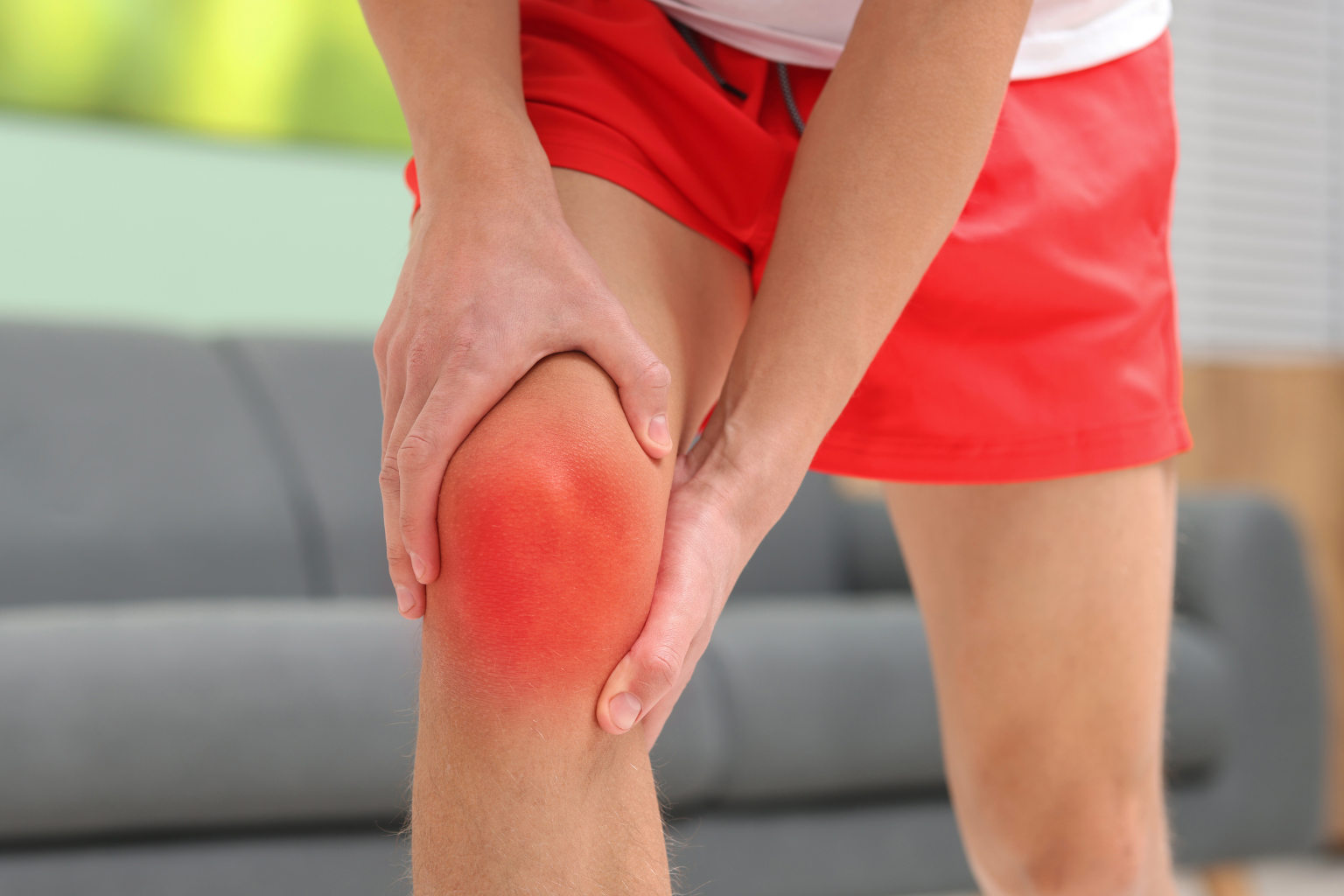
Osteoarthritis develops when the protective cartilage in joints gradually wears down over time. According to the NHS, it commonly affects weight-bearing joints like the knee, hip, and ankle, as well as the shoulder and small joints in the hands.
The resulting joint inflammation causes pain, stiffness, and reduced mobility. Injections for arthritis pain can reduce inflammation and improve function during flare-ups or when conservative measures are not providing enough relief.
Inflammatory arthritis
Conditions like rheumatoid arthritis cause the body's immune system to attack joint linings, leading to pain, swelling, and stiffness. Joint injections deliver anti-inflammatory medication directly to the affected area, complementing systemic medications like biologics or immunosuppressants.
Tendinopathy and bursitis
Tendons (structures connecting muscle to bone) and bursae (fluid-filled sacs that cushion joints) can become inflamed from overuse, injury, or repeated strain.
Common examples include rotator cuff tendinopathy in the shoulder, de Quervain's tenosynovitis affecting the thumb and wrist, and greater trochanteric pain syndrome (hip bursitis). These conditions respond well to localised anti-inflammatory treatment.
Frozen shoulder (adhesive capsulitis)
In this condition, the tissue surrounding the shoulder joint becomes inflamed and stiff, severely restricting movement. As outlined by the NHS, a steroid injection is often recommended alongside physiotherapy to reduce pain and help restore movement.
Sometimes a larger-volume injection that stretches the joint capsule (called hydrodilatation) is used alongside the standard corticosteroid injection to restore mobility in people with frozen shoulder.
Nerve compression
Conditions like carpal tunnel syndrome occur when a nerve becomes compressed, causing pain, numbness, or tingling. A corticosteroid injection around the nerve can reduce inflammation and relieve symptoms, particularly in early or mild cases.
Book a visit at our Bishop's Stortford clinic and we'll check whether your treatment used proper ultrasound guidance.

Symptoms to watch for
These symptoms may suggest that joint pain needs professional assessment:
- Joint pain that wakes you at night or significantly disrupts sleep
- Swelling, warmth, or redness in a joint that does not improve with rest and ice
- Stiffness that limits everyday activities (dressing, climbing stairs, gripping)
- Pain that persists despite over-the-counter pain relief or weeks of physiotherapy
- Loss of function or instability in a joint
- Pain following an injury that does not improve within a few days
- Numbness, tingling, or weakness travelling down an arm or leg
- Fever accompanied by joint pain and swelling (sign of possible infection)
When to see a doctor
If any of the above symptoms apply to you, it is time to book an appointment with a GP or clinician. You do not need a referral to see a specialist at SABA Health Clinic, and our doctors can assess your condition and discuss treatment options with you.
Seek urgent care at A&E or call 999 if you experience severe joint pain with fever, sudden severe swelling, inability to move a joint, signs of infection (spreading warmth, redness, or pus), or neurovascular symptoms like pallor, coldness, or absent pulses in an affected limb.
Treatment options
Effective joint pain management typically follows a stepped approach, starting with conservative measures and moving to more intensive interventions only when needed.
Conservative treatment
Most joint conditions benefit first from conservative management. This includes:
- Rest and activity modification. Avoiding activities that aggravate pain while gradually maintaining function through modified movement.
- Physiotherapy. Structured exercise programmes improve strength, flexibility, and function. Physiotherapy is most effective when combined with other treatments.
- Ice and heat therapy. Ice reduces acute inflammation; heat eases stiffness and muscle tension.
- Over-the-counter pain relief. Paracetamol or NSAIDs (ibuprofen, naproxen) can help manage pain, though NSAIDs carry risks with long-term use and are not suitable for everyone.
- Weight management. Reducing load on weight-bearing joints can improve function and reduce pain.
Medical injections
When conservative measures are not providing enough relief, several injection options exist.
Corticosteroid injections reduce local inflammation and are effective for many joint and tendon conditions. They provide pain relief for weeks to several months, though the response varies. They work best when combined with physiotherapy and activity modification. Evidence supports their use for frozen shoulder, trigger finger, carpal tunnel syndrome, and subacromial bursitis, with mixed evidence for knee osteoarthritis.
Hyaluronic acid (viscosupplementation) mimics the natural fluid in joints and is sometimes used for osteoarthritis, particularly in the knee. Evidence for its benefit remains mixed, and it is typically reserved for patients who have not responded well to corticosteroid injections.
Platelet-rich plasma (PRP) harnesses growth factors from your own blood to reduce inflammation and support tissue healing. Research into its effectiveness is ongoing, and it may be considered in selected cases.
Surgical intervention
Surgery is considered when conservative and medical measures have been exhausted or when structural damage (such as severe cartilage loss, tendon tears, or persistent nerve compression) requires repair. Your clinician can discuss whether surgical evaluation is appropriate for your specific condition.
Book a visit at our Bishop's Stortford clinic and we'll check whether your treatment used proper ultrasound guidance.
Recovery and prevention
Most patients return to normal activities within days. Here is what to expect:
Immediately after injection: You may experience mild pressure or aching at the injection site as the medication enters the joint. Most people tolerate this well.
First 24 to 48 hours: Relative rest is recommended to allow the medication to settle. Avoid strenuous activities, heavy lifting, or high-impact exercise. Ice can help with soreness.
Days 3 to 7: Gradual return to activity based on how you feel. The local anaesthetic wears off after a few hours, and you may notice temporary pain relief fading. The corticosteroid is taking effect during this period.
Weeks 2 to 6: Maximum therapeutic benefit typically occurs. You should notice improved function, reduced stiffness, and less pain.
Beyond 6 weeks: Response duration varies widely; some people enjoy the benefit for several weeks, others for several months. Continued exposure to aggravating activities typically shortens this period.
Prevention strategies:
- Maintain a regular physiotherapy programme to strengthen muscles supporting the affected joint
- Avoid repetitive strain or overload
- Use ergonomic positioning at work and during activities
- Maintain a healthy weight to reduce load on weight-bearing joints
- Stay active; appropriate movement maintains joint health
- Seek early treatment for new pain or inflammation
How SABA Health Clinic can help
If joint pain is affecting your daily life, our doctors at SABA Health Clinic can help you find answers and a treatment plan that fits you.
- Specialist assessment for joint pain and musculoskeletal conditions
- Ultrasound-guided injections for accuracy and safety
- Same-day and next-day appointments available
- No GP referral needed
Book a visit at our Bishop's Stortford clinic and we'll check whether your treatment used proper ultrasound guidance.

.png)








.svg)


