

What is knee pain?
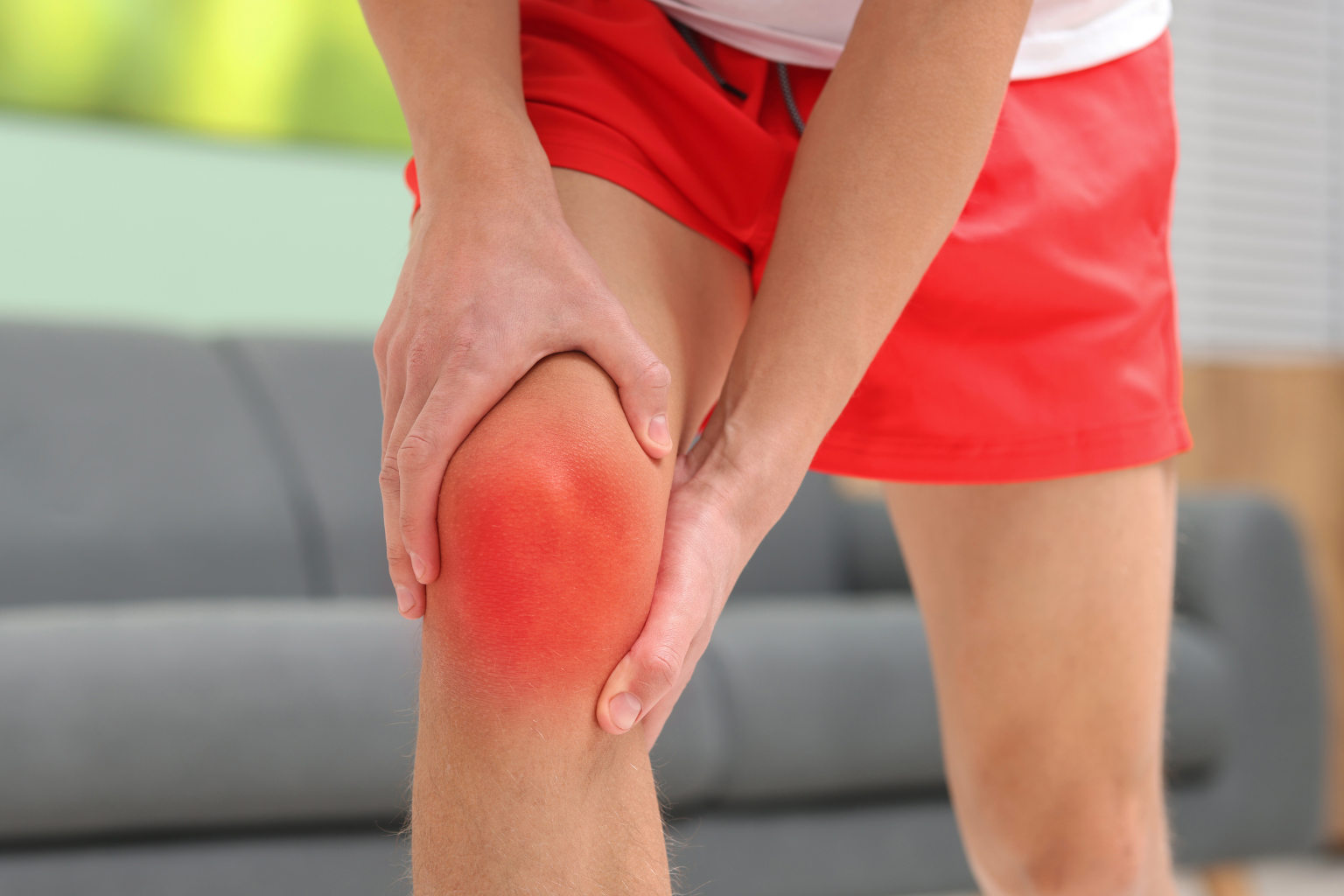
Knee pain is any discomfort, ache, or sharp sensation in or around the knee joint. Your knee is a complex structure made up of bone, cartilage, ligaments, tendons, and fluid-filled sacs, all working together to support your body weight and allow you to walk, run, bend, and climb. When any of these structures are irritated, damaged, or stressed, you feel pain.
Knee pain can be acute (sudden onset after an injury) or chronic (developing gradually over weeks or months). It can affect one knee or both, and it can range from mild stiffness to severe pain that stops you from walking.
The good news is that many types of knee pain improve with the right treatment, and early assessment often prevents complications.
Common causes and why it happens
Patellofemoral pain syndrome (front-of-knee pain)
Pain around, behind, or under the kneecap that worsens when climbing stairs, squatting, or sitting with the knee bent for long periods is often patellofemoral pain syndrome (PFPS). In this condition, the kneecap does not track smoothly as the knee bends and straightens, increasing pressure across the joint surface. Weak hip muscles, tight quads, poor movement patterns, or muscle imbalances are common culprits.
PFPS is one of the most common types of knee pain, especially in active people and those over 40.
Osteoarthritis
Osteoarthritis (OA) is age-related wear and tear of the joint cartilage. It develops gradually, typically starting after age 50, and causes an aching pain that worsens as the day goes on, morning stiffness lasting 15-30 minutes, creaking or grinding sensations, and mild swelling.
Obesity, previous knee injury, and family history increase your risk. OA is not curable, but it is manageable with activity modification, strength work, and medical support.
Meniscal injuries
Your knee has two rubbery cartilage discs (menisci) that act as shock absorbers between the thigh bone and shin bone. A meniscal tear causes sharp, localised pain on the inside or outside edge of the knee, swelling, a catching or locking sensation, or the feeling that your knee is unstable. Meniscal injuries can happen after a direct twist, but they also occur gradually in people with osteoarthritis.
Some tears improve with rest and physiotherapy; others may need imaging or specialist advice.
Ligament injuries
The knee has four main ligaments that stabilise the joint: the anterior cruciate ligament (ACL), posterior cruciate ligament (PCL), medial collateral ligament (MCL), and lateral collateral ligament (LCL).
Ligament injuries, from a fall, sports impact, or sudden direction change, cause immediate pain, swelling within minutes, instability (the knee feeling like it might give way), and difficulty bearing weight.
Mild sprains heal with rest, ice, and strengthening, but severe ligament tears may need specialist referral or surgery.
Patellar tendinopathy
Tendinopathy is inflammation or micro-injury of a tendon. Patellar tendinopathy affects the tendon connecting your kneecap to your shin bone, causing sharp pain just below the kneecap, especially during jumping, running, or going down stairs. It is more common in athletes, but also occurs in people who suddenly increase their activity level.
Rest, ice, and gradual loading through physiotherapy usually help.
Bursitis
Small fluid-filled sacs (bursae) around the knee can become inflamed from repetitive pressure, direct impact, or infection. Bursitis causes localised swelling, tenderness over the affected bursa, and pain with specific movements.
It often improves with rest, ice, and anti-inflammatory medication.
Baker's cyst
A fluid-filled swelling at the back of the knee, often linked to osteoarthritis or meniscal issues. Baker's cysts are usually painless but can cause tightness or a feeling of fullness behind the knee. Most are harmless and settle without treatment, but large cysts can cause discomfort or need draining.
Visit our Bishop's Stortford clinic for a personalised assessment, expert medical advice, and treatment recommendations tailored to your individual needs.

Symptoms to watch for
- Pain in the front, back, side, or centre of the knee
- Swelling or puffiness around the knee or within the joint
- Stiffness, especially in the morning or after sitting
- A popping, grinding, clicking, or cracking sensation (crepitus)
- Instability, buckling, or the knee giving way
- Limited range of motion or difficulty straightening or bending the knee
- Warmth or redness around the knee
- Pain that worsens with stairs, squats, running, or prolonged sitting
- Pain that eases with rest, ice, or elevation
- Limping or difficulty bearing weight
When to see a doctor
Mild knee pain often settles with rest, ice, compression, and elevation (RICE), plus gentle activity and strengthening. However, you should seek prompt assessment from a GP or physiotherapist if you experience any of the following:
- Sudden severe pain or swelling that develops within hours
- Inability to bear weight or walk, even with support
- A hot, red, or very warm knee, especially with fever (sign of infection)
- True locking, where the knee locks in one position and you cannot straighten it
- Buckling or giving way suggesting instability
- Severe pain that does not ease with rest or medication
- Pain that persists for more than 2 to 3 weeks
- Pain that began after a clear injury, fall, or twist
- The knee looks visibly deformed or out of alignment
- Significant limitation of your daily activities
A GP can examine your knee, take a history of your pain, and decide whether imaging (X-ray or MRI), blood tests, or referral to a physiotherapist or orthopaedic specialist is needed.
Treatment options
Conservative management
For most types of knee pain, conservative approaches are the first step. Rest the knee from aggravating activities; use ice (15 minutes, several times a day) for acute swelling; wear a compression sleeve or strap for support and proprioceptive feedback; and elevate the knee when possible.
Gentle stretching of your quadriceps, hamstrings, and calf muscles helps reduce tension, and gradual strengthening of your quadriceps, hip abductors, and hip external rotators improves knee stability and load distribution.
Modifying your activities, such as using a bannister on stairs, wearing supportive footwear, and avoiding sudden increases in intensity, helps protect your knee during healing.
Medical management
If conservative measures do not provide adequate relief after 4 to 6 weeks, or if your pain is severe, your GP may recommend anti-inflammatory medications (such as ibuprofen), corticosteroid injections (which reduce inflammation and pain, particularly in osteoarthritis or bursitis), hyaluronic acid injections (which may lubricate and protect the joint), or physiotherapy with a trained physiotherapist.
Your GP can also arrange imaging, such as X-rays to assess for arthritis or an MRI to visualise ligaments, tendons, and cartilage if the diagnosis is unclear.
Surgical options
Surgery is considered only after conservative and medical treatments have been tried and the diagnosis is clear. Surgical options depend on the underlying cause and may include arthroscopic surgery to repair a meniscal tear or clean up damaged cartilage, reconstruction of a torn ligament, or in advanced osteoarthritis, joint replacement.
Your GP or orthopaedic surgeon will discuss whether surgery is appropriate for your situation.
Visit our Bishop's Stortford clinic for a personalised assessment, expert medical advice, and treatment recommendations tailored to your individual needs.
Recovery and prevention
Recovery timescales vary depending on the cause of your pain. Mild strains and patellofemoral pain may improve within 4 to 8 weeks with consistent activity modification and strengthening. Meniscal injuries can take 8 to 12 weeks or longer. Osteoarthritis and ligament injuries require longer-term management.
The key to preventing knee pain is maintaining strength in your quadriceps and hip muscles, using proper form during exercise, wearing supportive footwear, and avoiding sudden increases in activity or intensity.
Maintain a healthy weight, warm up properly before exercise, and listen to your body, if pain begins, address it early with rest and gentle activity rather than pushing through.
How SABA Health Clinic can help
If knee pain is affecting your daily life, our doctors at SABA Health Clinic in Bishop's Stortford can help you find answers and a treatment plan that fits you. Same-day and next-day appointments are available.
- Consultant-led assessment of knee pain by a specialist orthopaedic surgeon
- Expert guidance on physiotherapy, bracing, and injection therapy
- Imaging referral and surgical review where needed
- No GP referral needed
- Same-day and next-day appointments available
- Book an appointment online or contact us today
Visit our Bishop's Stortford clinic for a personalised assessment, expert medical advice, and treatment recommendations tailored to your individual needs.

.png)

.png)