

What is lumbar canal stenosis?
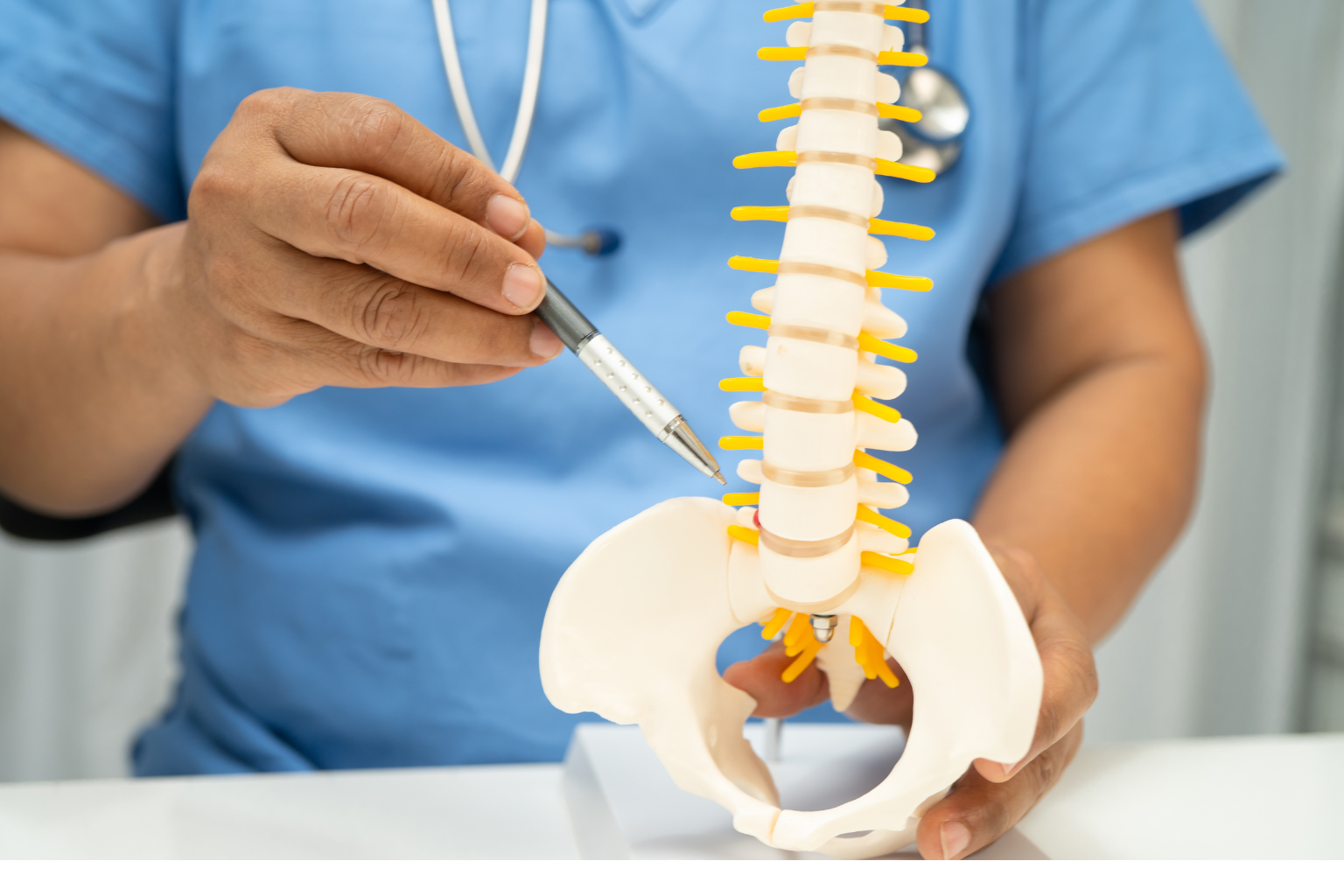
Your lower back contains a central tunnel called the spinal canal, along with small side passages (foramina) that carry nerves to your legs. Lumbar canal stenosis means this tunnel has become narrower than usual. When there is less space, the nerves become crowded and irritated, especially when you stand or walk.
This can cause leg pain, heaviness, weakness, or numbness. Most people develop stenosis gradually over many years as a normal part of ageing and wear-and-tear of the spine.
The key thing to understand is that stenosis itself is very common on scans, and many people have some narrowing without any symptoms. Problems arise when the narrowing is significant enough to affect nerve signals, particularly during activity.
Common causes
Several structural changes in the lower back can lead to lumbar canal stenosis, and these often develop together over time rather than from a single cause.
Disc bulging and loss of height
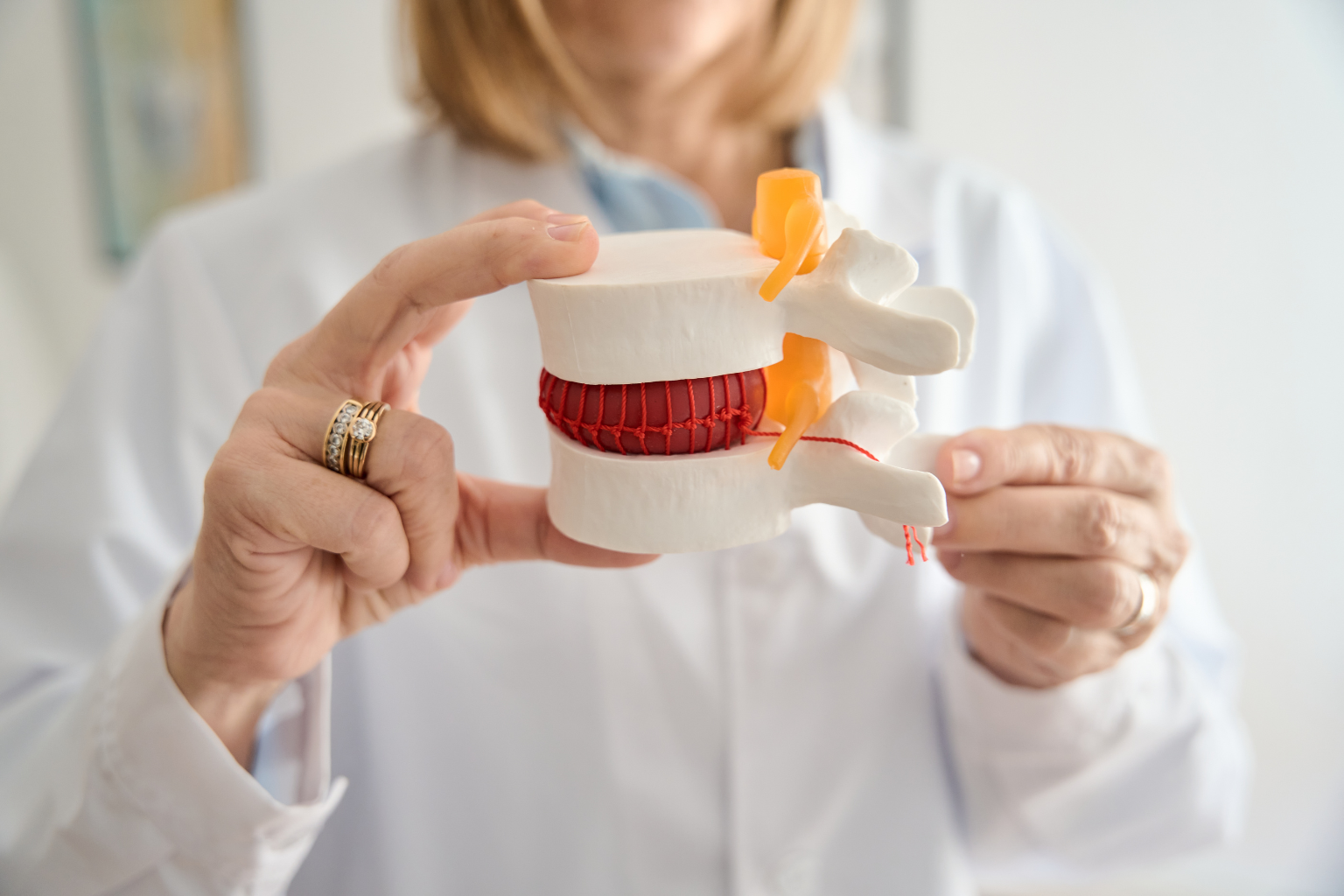
The discs between your vertebrae act as cushions. Over time, they dry out and flatten, and may bulge backwards into the spinal canal. This is one of the most common causes of stenosis, especially in older adults, with disc-related narrowing frequently seen at the L4-L5 level of the spine.
Facet joint enlargement (arthritis)
The small joints at the back of your spine can develop arthritis and form extra bone spurs (osteophytes). These bony growths take up space inside the canal and narrow it further.
Thickening of ligaments
A strong ligament inside the canal, called the ligamentum flavum, can thicken and buckle inward, reducing the space available for the nerves.
Slipping of vertebrae (spondylolisthesis)
Occasionally, one vertebra may slide slightly forward on the one below it, a condition known as lumbar spondylolisthesis. This movement further narrows the spinal canal and can contribute to stenosis symptoms.
Age-related changes combined
Stenosis rarely results from a single cause. Instead, a combination of changes over time creates the narrowing. This is why stenosis is most common in people over 60, though it can develop earlier in some individuals.
Symptoms to watch for
Symptoms of lumbar canal stenosis usually centre on the legs and typically appear or worsen with standing and walking. Common symptoms include:
- Leg pain or aching, typically felt in the buttocks, thighs, calves, or feet
- Leg heaviness and weakness, your legs may feel tired or unsteady after walking a short distance
- Cramping or burning pain, especially when you stand for long periods or walk
- Numbness or tingling, pins and needles or numb patches in the legs or feet
- Symptoms improve when you sit down or bend forwards, this is the hallmark feature
- Lower back pain or stiffness, some people also notice discomfort in the lower back itself
- Walking distance limitation, gradually increasing difficulty before symptoms force you to rest
Leg pain when walking can have several causes. Book an assessment at our Bishop's Stortford clinic to check yours.

When to see a doctor
If you notice leg pain or heaviness that comes on when you walk or stand and eases when you sit down, discuss this with your GP or a musculoskeletal specialist. This pattern is typical of neurogenic claudication and deserves proper assessment.
You should seek urgent medical help if you develop any of the following alongside back or leg pain:
- New difficulty passing urine or loss of bladder control
- Loss of control of bowel function
- Numbness in the genital area or saddle area
- Marked, sudden weakness in one or both legs
- Severe night pain, unexplained fevers, or unexplained weight loss
These can be signs of cauda equina syndrome, infection, or another serious condition requiring emergency assessment at A&E.
Treatment options
Treatment for lumbar canal stenosis is tiered, starting with conservative care for most people and moving to injections or surgery only if symptoms don't settle.
Conservative treatment
Conservative (non-surgical) treatment is the first-line approach for most people, usually continued for at least 12 weeks unless you have serious red-flag symptoms.
Education and lifestyle changes are fundamental. Understanding that stenosis is a common age-related change that can be managed well helps reduce unnecessary worry. Practical steps include pacing activities by alternating short walks with rest breaks, avoiding long periods standing still, and considering a walking aid (such as a stick or rollator) to improve balance and allow a slightly flexed posture.
Exercise and physiotherapy are key. Your physiotherapist will design a programme typically including flexion-based exercises that gently bend the spine forwards (these often relieve symptoms), strengthening exercises for the hips, buttocks, and core, stretching tight muscles at the front of the hips and thighs, and gradual walking programmes with pacing built in.
Most people benefit from 1-2 sessions daily at home with guidance from a physiotherapist. A mild muscular ache during exercise is normal, but your symptoms should not sharply worsen.
Medicines can help manage pain and support your exercise programme. Your clinician may suggest simple painkillers such as paracetamol, anti-inflammatory medicines if safe for you, or specific nerve pain medicines. These do not correct the narrowing but ease symptoms whilst you work on strength and flexibility.
Medical treatment (epidural injections)
Epidural steroid injections are sometimes used as part of a non-surgical plan when conservative measures alone do not provide enough relief for you to participate in exercise and physiotherapy.
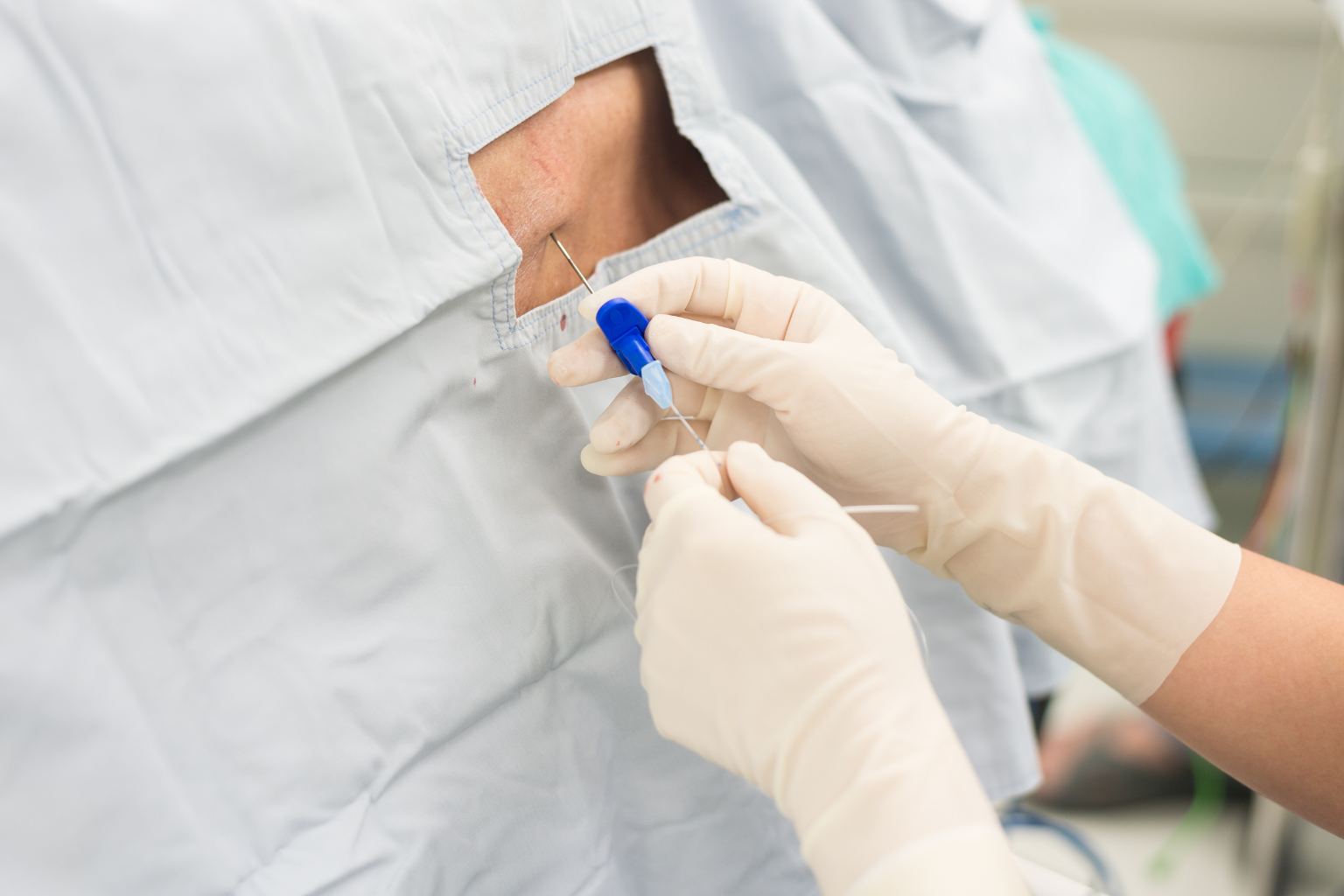
An epidural corticosteroid injection delivers a mixture of cortisone and local anaesthetic into the epidural space around the nerves in your lower back. This reduces inflammation around the nerves and can ease leg pain, particularly for those with neurogenic claudication.
The benefit is typically a reduction in leg pain and improved walking distance lasting weeks to a few months, providing a window of reduced pain so you can participate more fully in exercise.
However, injections do not widen the canal permanently or cure stenosis. Some people experience good relief, whilst others notice only modest benefit.
When performed with imaging guidance by experienced clinicians, epidural injections are generally safe. Possible side-effects include temporary increase in pain at the injection site, headache, facial flushing, sleep disturbance, and short-term rise in blood sugar (especially if you have diabetes).
Rare risks include infection, bleeding, nerve injury, or allergic reaction. Your SABA Health Clinic specialist will discuss all risks and benefits with you before proceeding.
Surgical treatment
Surgery is not the first step for most people with lumbar stenosis. It is considered when:
- Leg pain, heaviness, and walking limitation severely restrict your daily life despite trying good conservative treatment
- Symptoms are progressively worsening (walking distance getting shorter, pain getting worse)
- There is significant weakness, numbness, or concerning changes in walking, balance, or bladder function
The common operation is lumbar decompression (such as laminectomy), which removes bone and ligament material pressing on the nerves. Sometimes this is combined with spinal fusion (stabilisation) if there is marked spinal instability.
Surgery aims to improve leg symptoms and walking distance, not to create a perfect spine. Your SABA Health Clinic clinician will advise if and when a surgical opinion is appropriate.
Leg pain when walking can have several causes. Book an assessment at our Bishop's Stortford clinic to check yours.
Recovery and prevention
Recovery depends on which treatment path you follow. After conservative treatment with physiotherapy, improvement is often gradual and builds over weeks and months as your strength and confidence increase. After surgery, recovery typically takes 6-12 weeks.
To prevent symptoms worsening and support long-term management:
- Keep walking within your limits, using rest and forward-bending pauses as needed
- Do your home exercises regularly, focusing on hip and core strength and flexibility
- Manage your weight if relevant, to reduce the load on the spine
- Stop smoking if applicable, as this can negatively affect bone and disc health
- Maintain good general fitness through activities such as stationary cycling or gentle swimming if comfortable
- Learn which positions help, sitting or leaning forward, when symptoms build up
How SABA Health Clinic can help
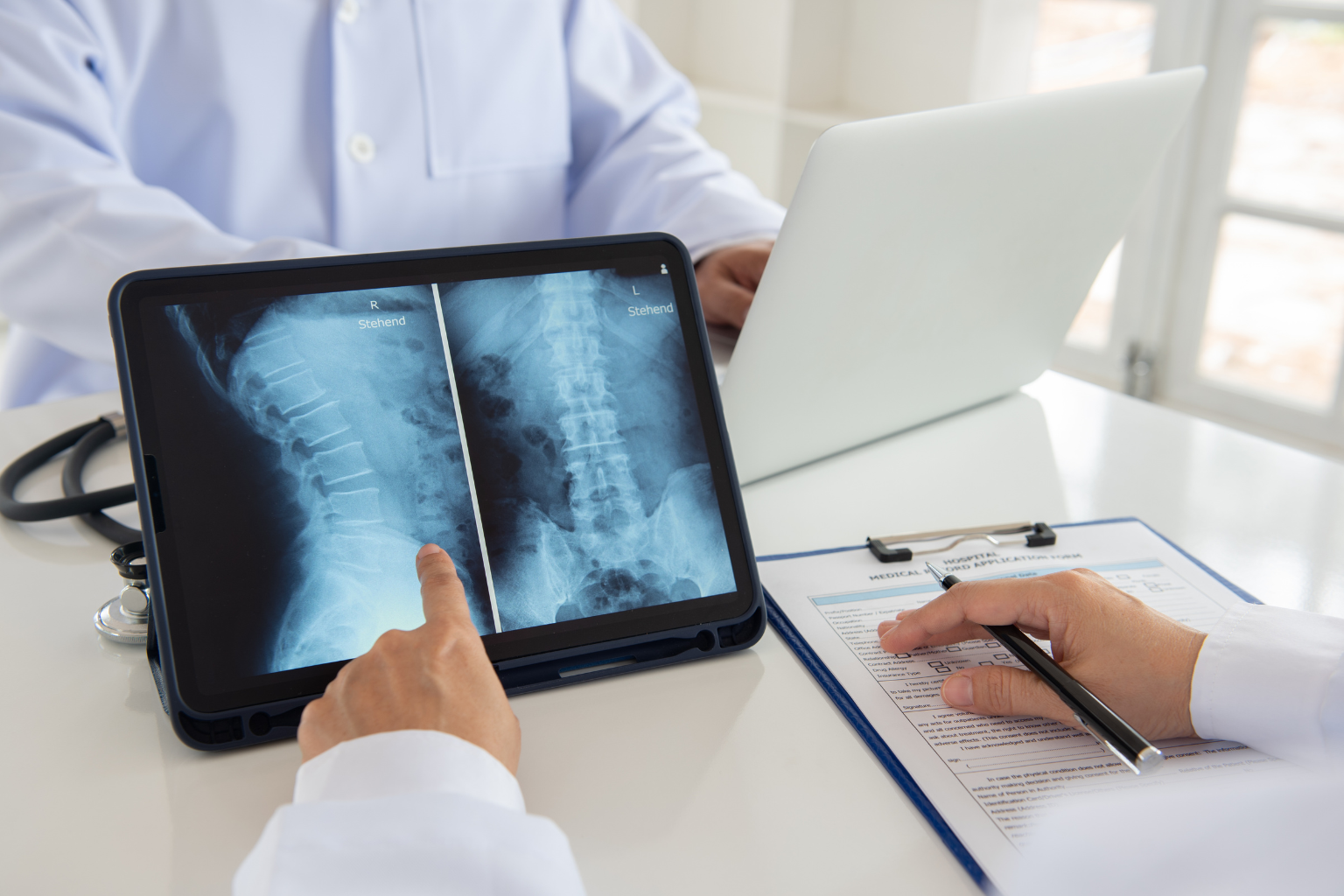
If leg pain or walking limitation from lumbar canal stenosis is affecting your daily life, our doctors at SABA Health Clinic in Bishop's Stortford can help. Diagnosis is based on your story, a physical examination, and imaging if needed. Same-day and next-day appointments are available.
- Consultant-led assessment of lumbar canal stenosis by a specialist orthopaedic and spinal surgeon
- Expert guidance on conservative care, epidural injections, and surgical referral
- Imaging referral and specialist review where needed
- No GP referral needed
- Same-day and next-day appointments available
- Book an appointment online
Leg pain when walking can have several causes. Book an assessment at our Bishop's Stortford clinic to check yours.

.png)