

What is lumbar degenerative disc disease?
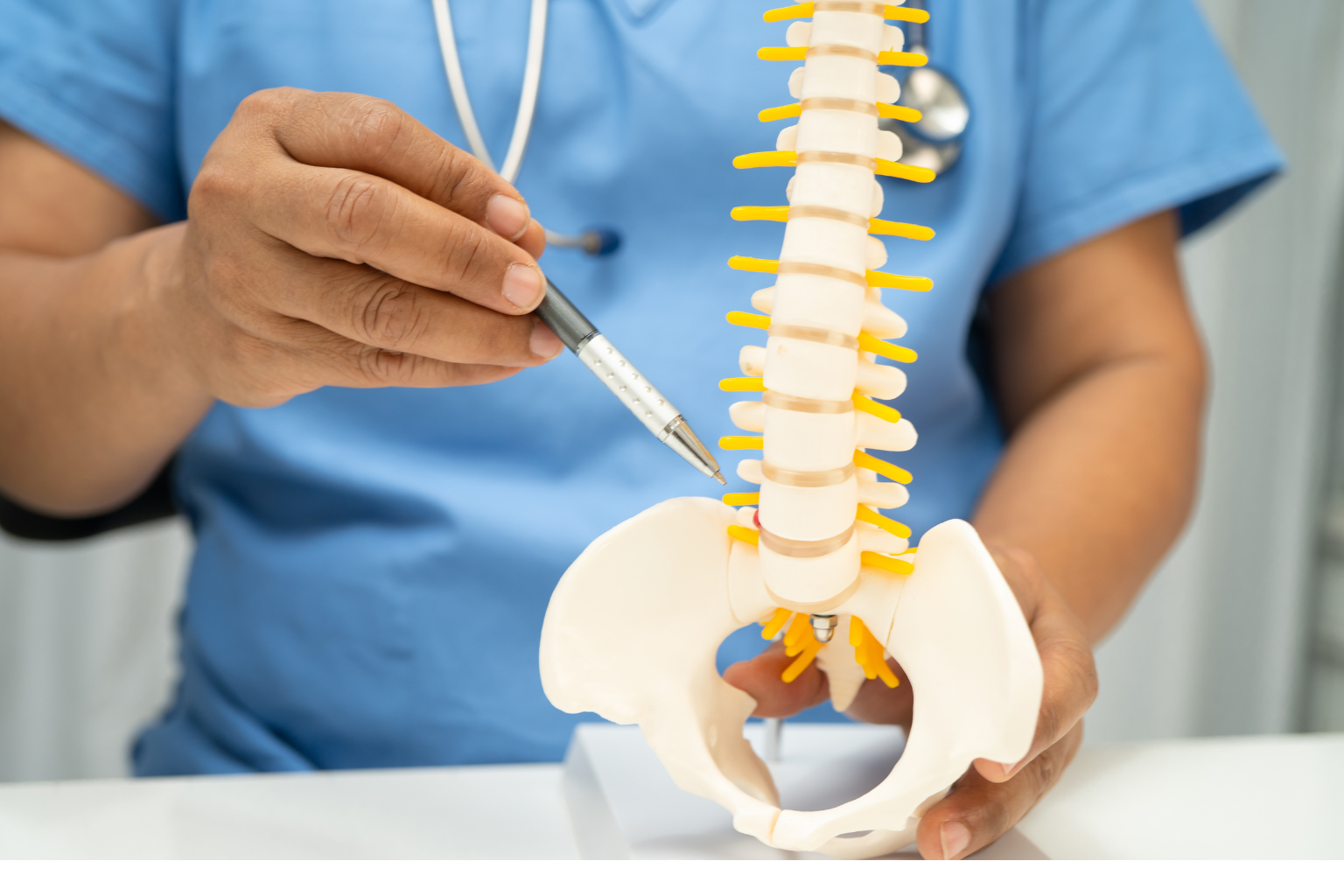
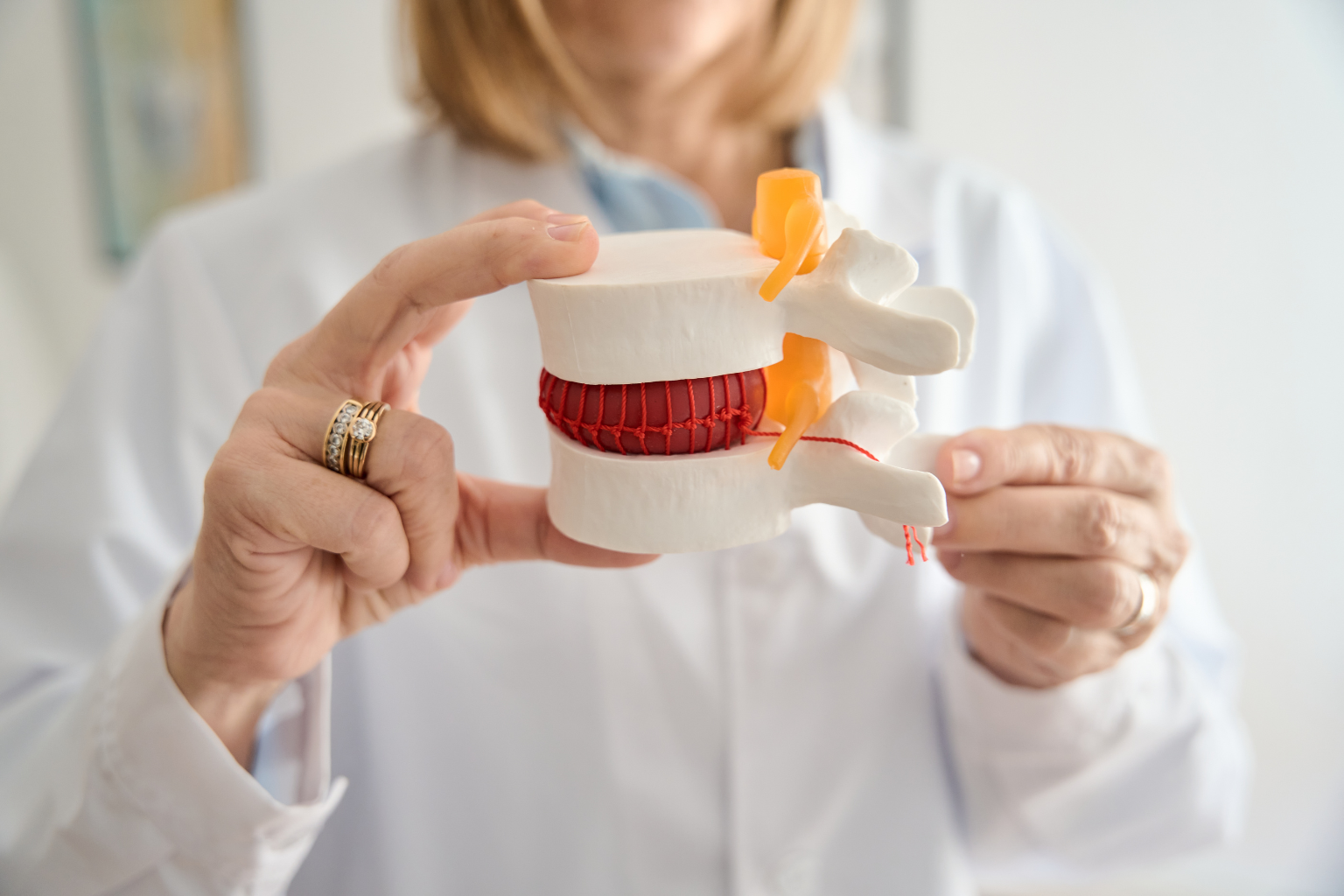
Between each bone in your spine sit discs that act as shock-absorbers, allowing you to bend, twist and carry a load. Each disc has a soft centre (nucleus) and a tough outer ring (annulus). In your lower back (lumbar spine), these discs take most of your body’s weight and movement stress.
Degenerative disc disease (DDD) refers to the natural wear-and-tear changes that affect spinal discs over time. Despite the word "disease", this is not an infection or cancer. It is a very common age-related change.
As you age, discs gradually lose water content, become thinner, and lose flexibility. In many cases, these changes cause no pain at all. Problems only arise when disc changes irritate nearby pain-sensitive tissues or nerves. This reassurance is crucial: having degenerative discs on an MRI scan does not mean you are destined for a life of pain or disability.
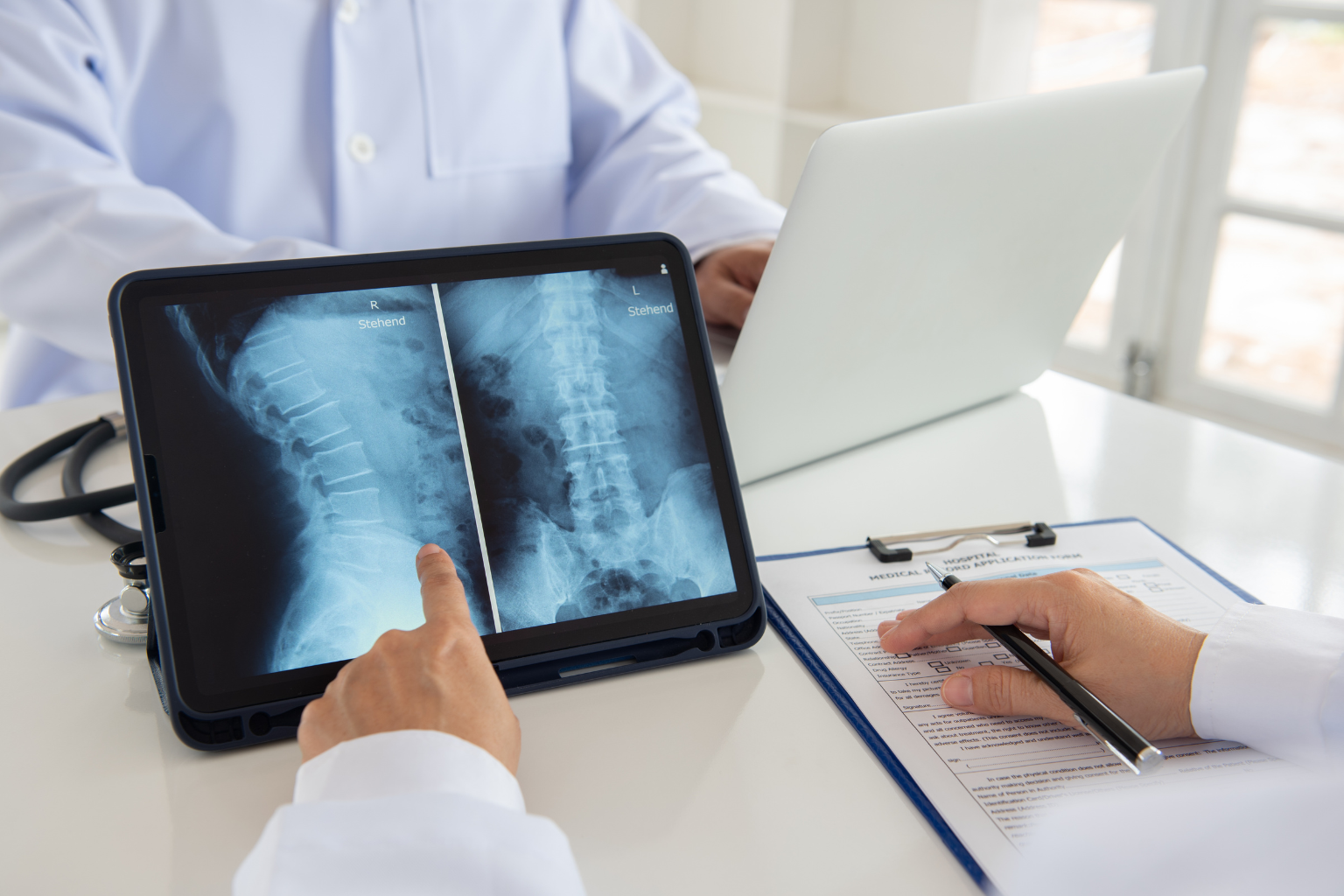
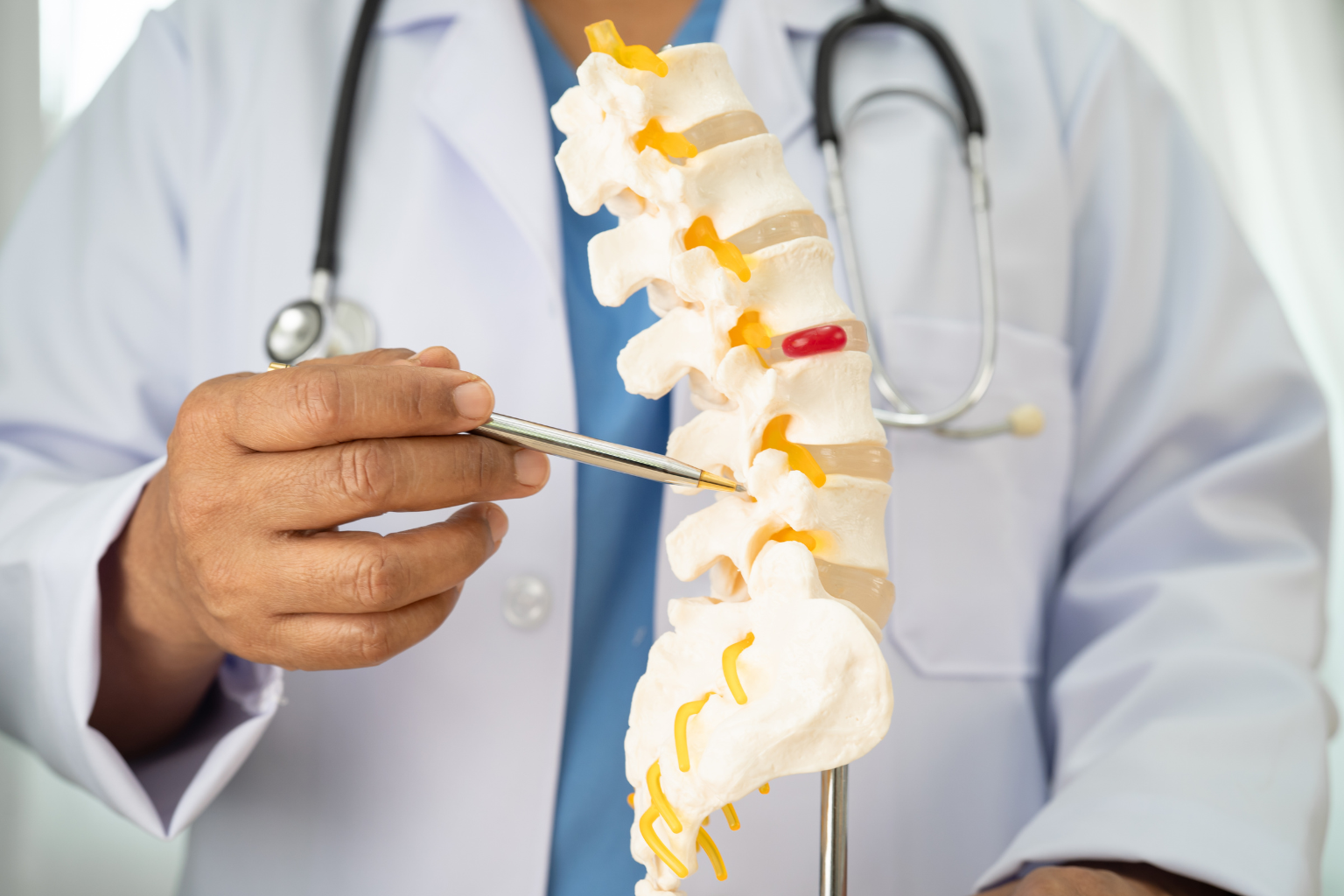
Degeneration most commonly affects the L4-L5 and L5-S1 levels, the lowest and most heavily loaded segments of the lumbar spine. Scan reports often describe this as mild degenerative changes, which is a normal finding rather than a cause for alarm.
Common causes and why it happens
Lumbar degenerative disc disease develops gradually, driven by a combination of age, mechanical stress, and structural change in the disc itself.
Age and natural wear
The primary driver of disc degeneration is time. Discs experience repeated compression, twisting and movement over decades. As water content diminishes, the disc loses height and springiness. This is not failure, it is normal ageing. People in their 60s and 70s commonly show disc degeneration on imaging, yet many remain pain-free.
Loss of water content
Spinal discs rely on hydration to maintain their shock-absorbing ability. With age, the nucleus gradually loses water, becoming less plump and flexible. The disc may no longer cushion loads as effectively. This dehydration is a natural process that accelerates after the age of 30.
Disc height loss and structural changes
As discs flatten, the gap between vertebrae narrows. This process is often described as disc height loss, and in more advanced cases, severe disc height loss can further narrow the space around nearby nerves.
This altered spacing can change how load is distributed through your spine and may increase stress on other structures, including facet joints and ligaments. The body sometimes responds by forming extra bone (osteophytes) around the edges of the vertebrae in an attempt to stabilise the weakened area.
Annular tears and bulging
Tiny cracks or splits can develop in the disc’s tough outer ring. These tears may cause pain if they irritate nearby tissues. Discs may also bulge outwards, sometimes pressing on nerve roots. Such bulging is common and often painless, but in some cases it triggers leg pain or neurological symptoms.
Cascading effects on surrounding structures
Reduced disc height alters mechanical stress on facet joints and spinal ligaments. This can contribute to facet joint pain, spinal stenosis (narrowing of the spinal canal), or mild slipping of one vertebra on another (degenerative spondylolisthesis). The key point: lumbar disc disease rarely occurs in isolation, it is part of a spectrum of age-related spinal changes.
Book a consultation at our Bishop's Stortford clinic for a full assessment, not just a look at your scan.

Symptoms to watch for
Not everyone with degenerative discs experiences symptoms. When they do occur, disc degeneration symptoms vary widely:
- Low back pain, felt across the lower back, sometimes to one side, and may feel aching, sharp, or stiff
- Pain linked to activity, typically worse with prolonged sitting, bending forwards, lifting, twisting or long car journeys
- Positional relief, often eased by changing position, lying down, or gentle walking
- Episodic flare-ups, pain may come and go in episodes lasting days to weeks, or be a persistent background ache with periodic worsening
- Occasional leg symptoms, if disc changes press on a nerve, you may feel pain, tingling or numbness in the buttock or leg; sciatica-type shooting pain can occur with more marked nerve irritation
- Stiffness and reduced flexibility, difficulty bending to put on shoes or pick things up, or feeling "stuck" after prolonged sitting or standing, before gradually easing with movement
When to see a doctor
Book an appointment if lower back pain is affecting your daily life, or if you notice leg pain, numbness or tingling that worries you. According to NICE guideline NG59 on low back pain and sciatica, seek urgent medical advice if you experience severe or rapidly worsening leg weakness, loss of bladder or bowel control, or progressive neurological changes, these are not typical of simple degenerative disc disease and require prompt assessment.
A qualified GP or clinician can examine you, understand your symptoms in context, and determine whether disc degeneration is truly the main pain source. They can also rule out other conditions and discuss appropriate management options.
Treatment options
Treatment for lumbar degenerative disc disease is stepped, starting with conservative care and moving to injections or surgery only if these do not provide enough relief.
Conservative treatment
Conservative (non-surgical) approaches are the first step and work for the vast majority of people with lumbar degenerative disc disease.
Education and lifestyle changes reduce fear and help you make useful adjustments. Understanding which movements and postures help or worsen your symptoms allows you to pace yourself effectively. Avoiding prolonged static positions (such as hours of slumped sitting), taking regular breaks during long drives or desk work, and managing your weight appropriately all reduce unnecessary spine stress.
Exercise and physiotherapy are among the most important treatments. A physiotherapist can design a programme targeting core and hip strengthening to improve spinal support, plus flexibility and mobility work for hips, hamstrings and back. Graded exposure, gradually increasing how much sitting, walking, bending or lifting you tolerate, combined with postural retraining, helps you build confidence in movement. Most people need a sustained programme over weeks to months rather than a quick fix.
Medicines do not repair discs, but can help control pain, allowing you to move and exercise better. Simple painkillers, non-steroidal anti-inflammatory drugs (if safe for you), and in some cases short-course muscle relaxants or nerve pain medicines may be offered. The aim is pain relief to enable activity, not long-term reliance on tablets.
Other supportive measures, such as heat or ice packs during flare-ups, manual therapy alongside exercise, or acupuncture or TENS in selected cases, complement active self-management.
Medical (injection-based) treatment
Injections are not first-line treatment but may be considered if physiotherapy and lifestyle changes have not provided sufficient relief and pain remains significant and clearly linked to disc structures or nerve irritation.
Epidural steroid injections reduce inflammation around irritated nerves, particularly helpful if disc degeneration is causing sciatica-type leg symptoms. Facet joint or medial branch injections are occasionally used when degenerative discs have caused overload and pain from small facet joints. In some centres, disc-targeted injections may be offered for highly selected cases, though these are not suitable for everyone.
Injections can provide short- to medium-term relief and a chance to progress rehabilitation, but they do not reverse degeneration and are usually limited in number. A clinician can discuss whether injections are appropriate for your specific situation.
Surgical treatment
Most people with lumbar degenerative disc disease do not require surgery. Surgery may be considered if you have persistent, severe pain unresponsive to thorough non-surgical management over several months, pain is clearly linked to one or two specific degenerated levels on imaging, and pain and disability significantly limit daily life, work and sleep. Surgery may also be considered if disc degeneration has caused nerve compression with significant or progressive weakness.
Common operations include decompression (relieving pressure on nerves when degeneration has caused narrowing) and fusion or stabilisation (joining vertebrae at a severely degenerated, unstable level to reduce painful movement).
Surgery aims to reduce pain and improve function, but carries risks and does not guarantee a completely pain-free back. Surgery is discussed only after conservative and interventional options have been carefully explored and the benefits clearly outweigh the risks.
Book a consultation at our Bishop's Stortford clinic for a full assessment, not just a look at your scan.
Recovery and prevention
Your own actions play the most important role in managing degenerative disc disease. Staying active and avoiding long periods of bed rest gives you the best chance of recovery.
Regular, paced movement is usually better than complete rest. Commit to your exercises, core and hip strengthening, plus stretching most days, and manage your posture, especially at work and when driving.
Lift correctly by bending at the hips and knees, keeping loads close to your body, and avoiding twisting whilst holding the weight. Look after your general health: weight management, good sleep, positive mood, and not smoking all influence pain and recovery.
Many people improve over time with lifestyle changes and exercise. Disc changes do not automatically worsen every year; they may plateau. You can usually stay active and continue working with the right management and pacing.
You do not have to accept back pain as an inevitable part of ageing. Lumbar degenerative disc disease, whilst common, is manageable with the right approach.
Many people regain function and reduce pain through physiotherapy, lifestyle adjustment and staying active. The goal is not to reverse the degeneration but to manage your symptoms and keep you doing the things that matter to you.
How SABA Health Clinic can help
At SABA Health Clinic in Bishop's Stortford, our doctors can help you find answers and a treatment plan that fits your needs.
- Specialist assessment to identify the underlying cause of your back pain and guide your next steps
- Same-day and next-day appointments available, with no GP referral needed
- Guided injections and referral pathways for physiotherapy to support your rehabilitation
- Comprehensive musculoskeletal assessment to assess the full clinical picture rather than relying on scans alone
Book a consultation at our Bishop's Stortford clinic for a full assessment, not just a look at your scan.

.png)