

What is lumbar spondylolisthesis?
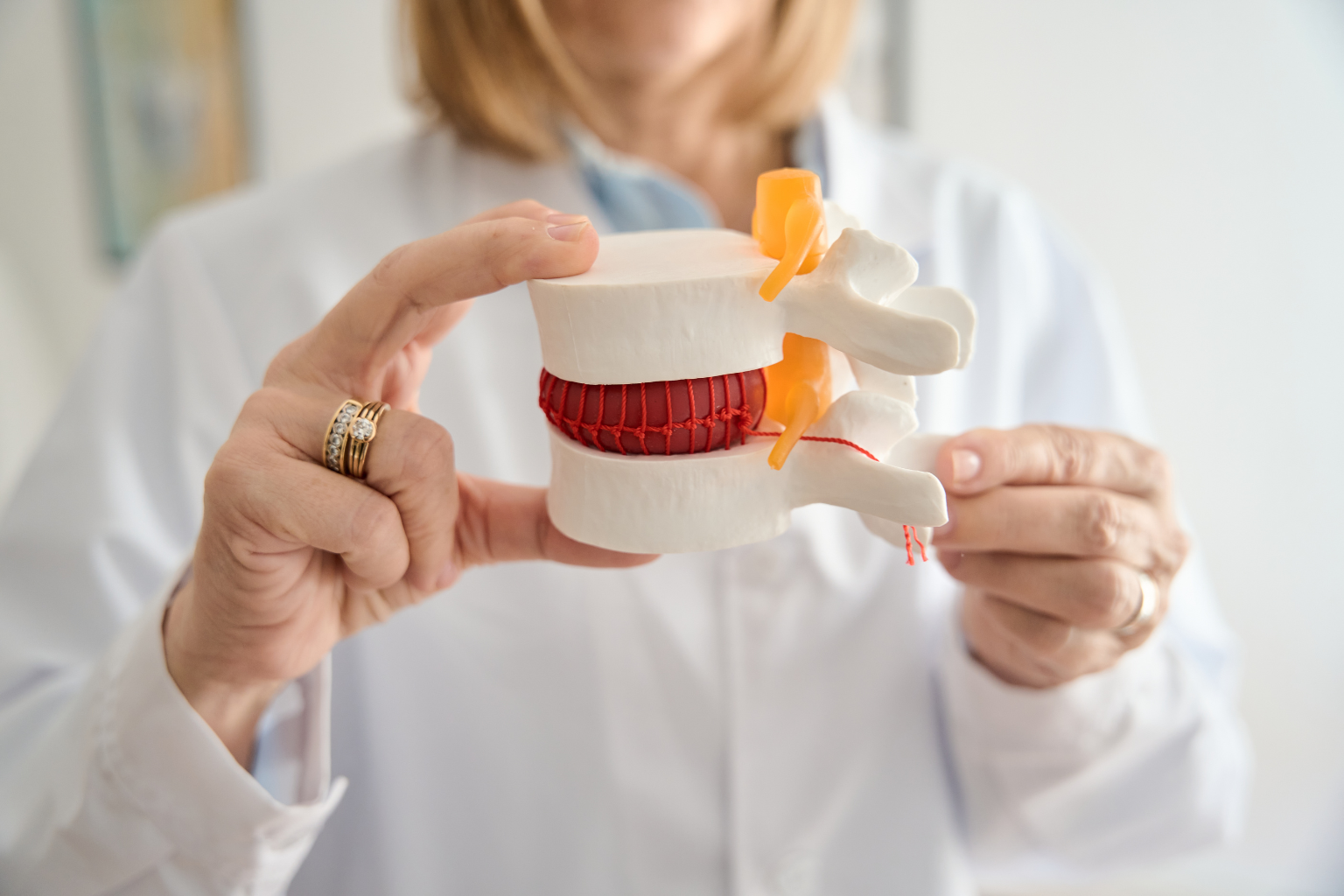
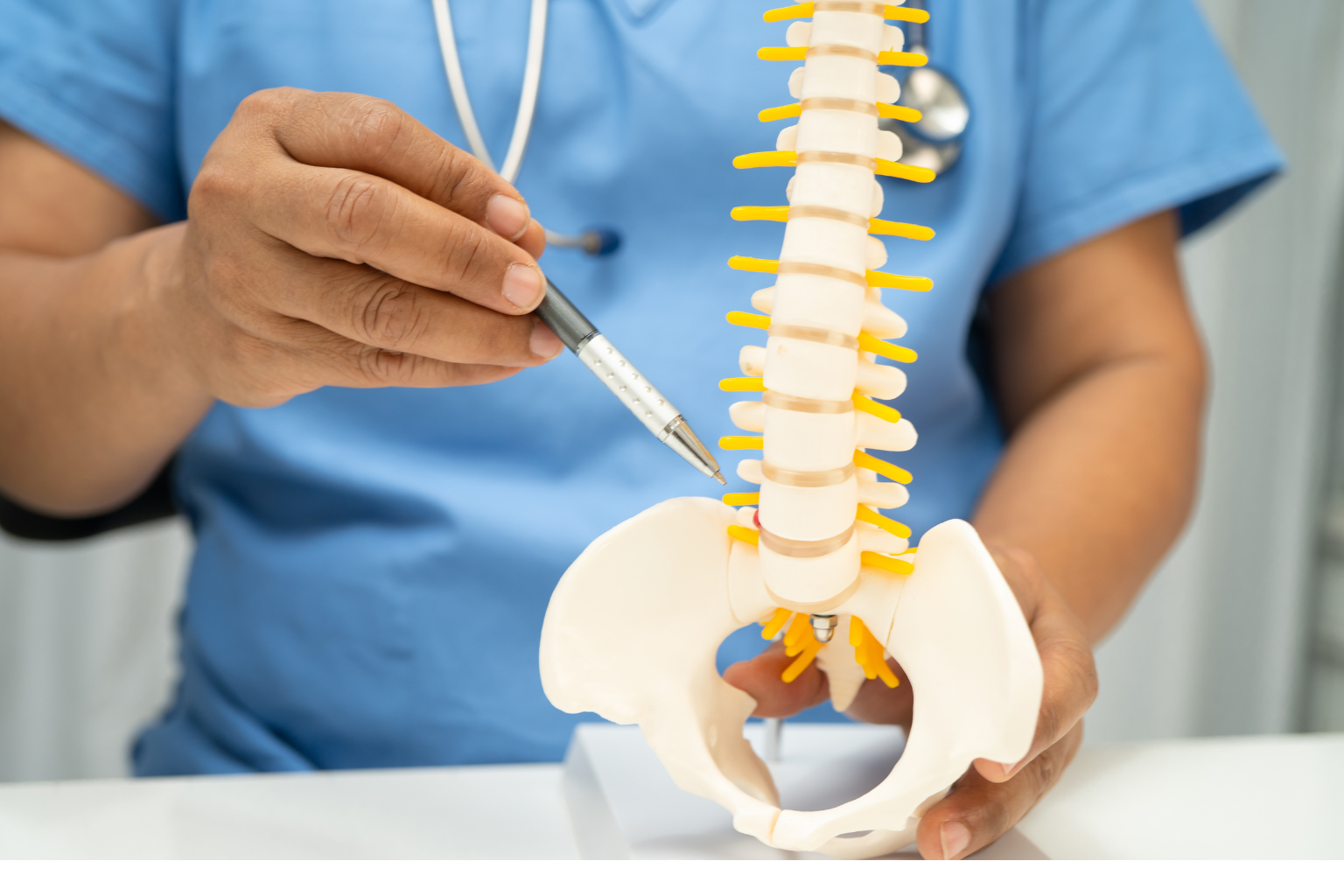
Your spine is a column of bones called vertebrae, stacked one on top of another. In a healthy spine, each vertebra sits neatly aligned with the ones above and below it.
Lumbar spondylolisthesis means one vertebra in your lower back has slipped forward relative to the vertebra beneath it. Think of one book in a stack being slightly shifted out of line. Some people describe this as a slipped vertebra or a shifted spine.
This slip can be very small or more noticeable. The amount of slip is usually graded on a scale from 1 to 4, with Grade 1 being the mildest (less than 25% slip) and Grade 4 being the most severe (75% to 100% slip). Most people seen in the clinic have Grade 1 or 2 slips.
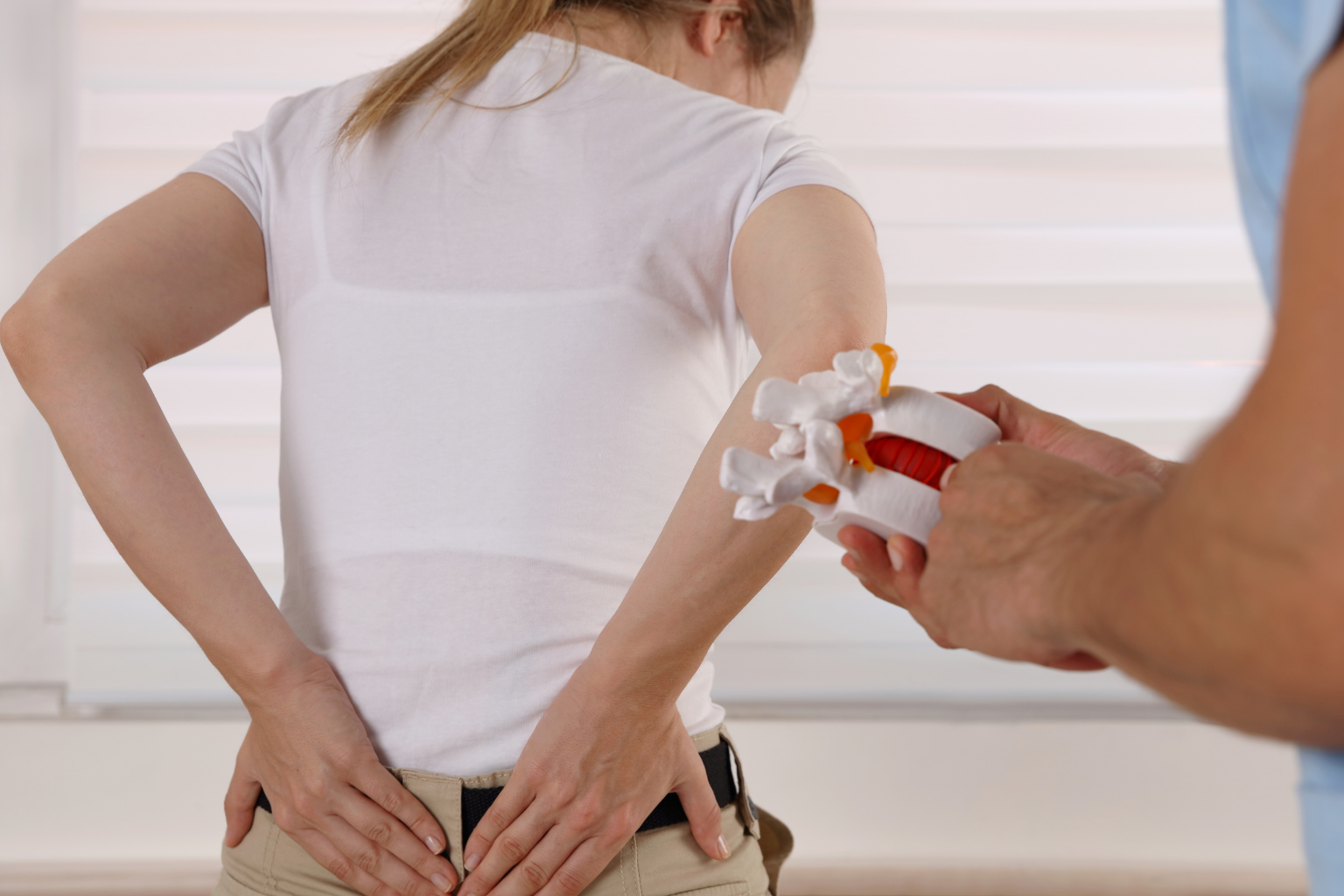
Many people with this condition have no symptoms at all. For others, it can cause low back pain, and sometimes leg pain or nerve irritation. The condition most commonly affects the lower lumbar levels, particularly L4-L5 and L5-S1.
Common causes: why it happens
There are several causes of lumbar spondylolisthesis, ranging from age-related wear to injury and genetics.
Degenerative spondylolisthesis
This is the most common type in older adults. As you age, your spinal discs lose height and flexibility, and the facet joints, the small joints at the back of your spine, become arthritic and worn. The ligaments and support structures that hold your spine in place gradually stretch and loosen. Over time, these age-related changes allow one vertebra to slide slightly forward on the one below, often at L4-L5.
This type may also involve spinal canal narrowing, which can put pressure on nerves.
Isthmic spondylolisthesis
This type is more common in younger adults and in people who did high-impact sports like gymnastics, cricket, fast bowling, or weightlifting when younger. It occurs due to a small defect or stress fracture in a part of the vertebra called the pars interarticularis. If the fracture affects both sides of this bone bridge, the vertebra can gradually slip forward over time.
Traumatic spondylolisthesis
A significant injury to the lower back, such as from a fall, motor vehicle accident, or sports collision, can cause a fracture that leads to a vertebral slip. This type develops suddenly rather than gradually.
Congenital spondylolisthesis
In rare cases, people are born with an abnormal shape or structure of the vertebra that makes them more likely to slip. This is determined by genetics and bone development before birth. Unlike acquired spondylolisthesis, which develops later in life, congenital cases are present from birth.
Other causes
Less common causes include disease affecting the bone (such as osteoporosis or pathological fracture) or inflammatory conditions. Your doctor will investigate and explain any findings relevant to your specific situation.
Book a visit at our Bishop's Stortford clinic and we'll check whether what you're doing for your back is safe.

Symptoms to watch for
Not everyone with lumbar spondylolisthesis has symptoms. Symptoms of lumbar spondylolisthesis can vary depending on which level is affected, with L4-L5 and L5-S1 being the levels most commonly involved. When symptoms do occur, they can include:
- Low back pain: a dull, persistent ache across the lower back, sometimes felt more on one side
- Stiffness in the lower back, particularly after sitting or when first getting out of bed
- Difficulty straightening up fully or maintaining certain postures for long periods
- Feeling locked or gripped in the lower back during certain movements
- Leg pain or sciatica: sharp, burning or shooting pain running from the lower back into the buttock, thigh or calf
- Numbness or tingling in the leg or foot, sometimes described as pins and needles
- Leg weakness: difficulty lifting the foot, climbing stairs or walking long distances
- Pain or heaviness in the back and legs made worse by standing or walking for longer periods
- Relief when sitting, bending forwards or leaning on something (this is particularly common if you also have spinal canal narrowing)
Rarely, spondylolisthesis can cause serious symptoms that require urgent medical attention. Seek immediate advice if you experience loss of bladder or bowel control, numbness around the genitals or saddle area, or sudden marked weakness in one or both legs. These can indicate cauda equina syndrome, a serious nerve condition that needs emergency assessment.
When to see a doctor
You should see your GP or specialist if you have persistent low back pain, especially if it is affecting your daily activities, work or sleep. Visit your doctor promptly if you develop leg pain, numbness or weakness alongside back pain. Also, seek advice if you have had a significant back injury and now have pain or symptoms.
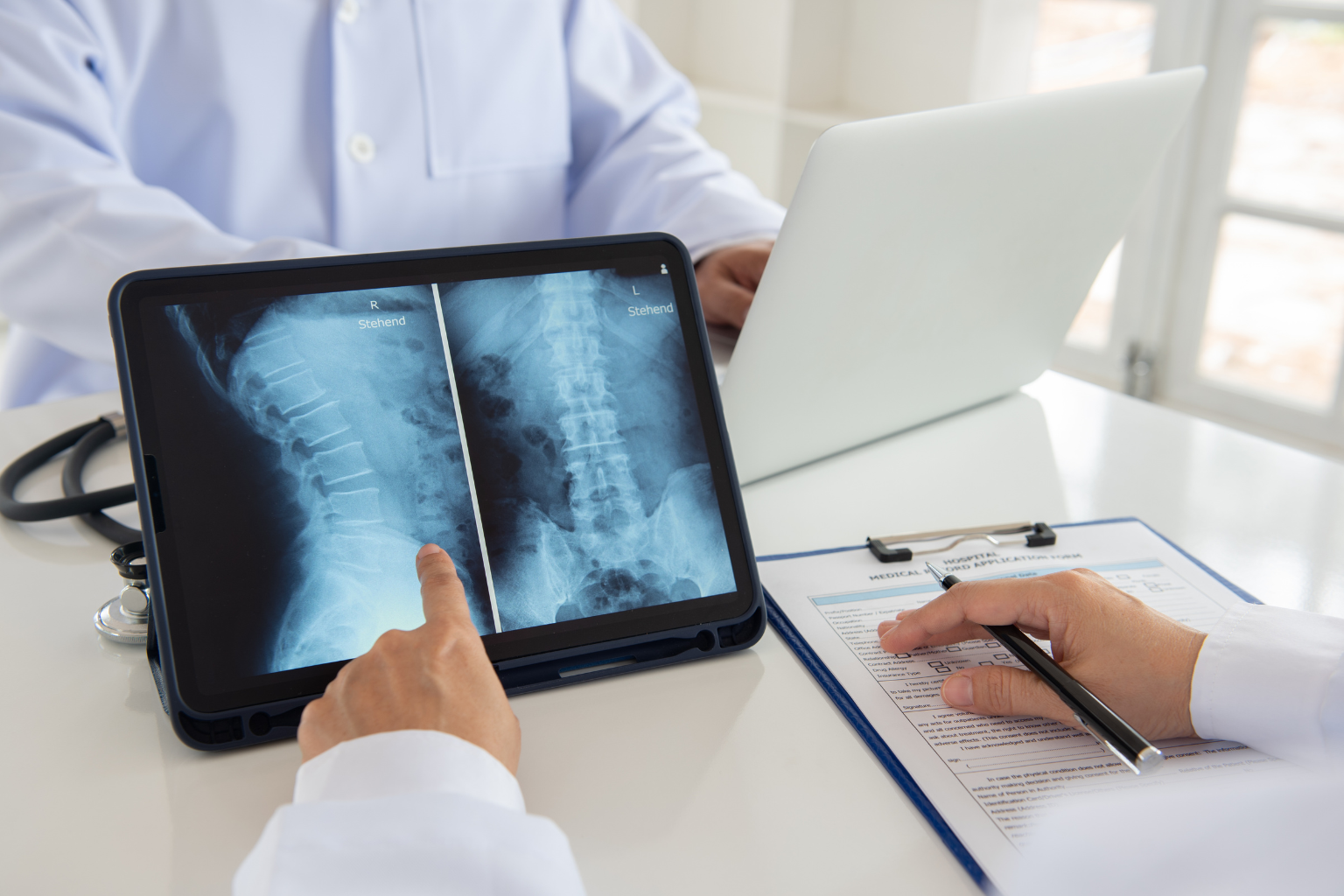
A GP or orthopaedic specialist will take a careful history of your symptoms, examine your spine and legs, and arrange imaging (X-rays or MRI) to confirm the diagnosis and grade the slip. They will rule out other causes of pain and work with you to develop a personalised treatment plan based on your symptoms, imaging findings and goals.
Book a visit at our Bishop's Stortford clinic and we'll check whether what you're doing for your back is safe.
Treatment options
Treatment for lumbar spondylolisthesis is stepped, beginning with conservative methods and progressing only if necessary.
Conservative treatment
Conservative treatment is the first-line approach for most people, particularly those with Grade 1 or 2 slips.
Education and activity modification are essential first steps. Understanding what lumbar spondylolisthesis is and is not helps you manage it effectively. Avoid heavy lifting and repeated bending, especially during pain flare-ups. Use pacing strategies by alternating activities with short rest periods.
If you play sports or use the gym, modify your routine to avoid extreme movements that stress your lower back.
Physiotherapy and exercise aim to stabilise the slipped vertebra and improve your function. A physiotherapist will guide you through core strengthening exercises targeting your deep abdominal and back muscles, which help control the movement of the lumbar spine. Hip and gluteal strengthening reduces mechanical strain on the lower back. Flexibility work, including stretching tight hamstrings and hip flexors, relieves stress on the lumbar area. Movement control training teaches you to bend, lift and twist safely.
A consistent exercise programme carried out over weeks and months often leads to meaningful improvement.
Pain control helps you stay active and engage with rehabilitation. Pain relief options are tailored to your needs. Your doctor may recommend paracetamol, anti-inflammatory medicines if safe for you, or in some cases, nerve pain medicines or muscle relaxants. Long-term reliance on strong painkillers is discouraged; the goal is better function.
Lumbar bracing may be used short-term in acute flare-ups or in younger people with isthmic spondylolisthesis to limit painful movements and support the spine. This is always combined with exercise and is not a long-term solution.
Medical treatment: injections
Injections can be helpful if you have nerve root pain (sciatica) or painful facet joints. Epidural steroid injections reduce inflammation around compressed nerves and can ease leg pain and improve walking tolerance for weeks to months. Facet joint or medial branch injections target joints stressed by altered alignment.
These injections are combined with ongoing rehabilitation rather than used as stand-alone treatments, and their effects are usually temporary. They do not reposition the vertebra.
Surgical treatment
Surgery is only considered when conservative treatment has not adequately relieved symptoms after a thorough trial, typically several months. It may also be considered if there is clear nerve compression causing progressive weakness or loss of function, or in rare cases of serious nerve damage.
Typical operations include decompression alone (removing bone and soft tissue compressing nerves) or decompression with fusion (combining decompression with stabilising the slipped vertebra using bone graft and sometimes screws and rods).
Surgery aims to reduce pain and improve function, particularly leg symptoms and walking distance. It does not guarantee a completely pain-free back and carries risks that your surgeon will discuss if surgery becomes an option.
Recovery and prevention
Most people manage well with conservative treatment and do not require surgery. The key to living well with lumbar spondylolisthesis is staying active within your limits. Prolonged bed rest is rarely helpful and can actually worsen stiffness and loss of function.
Continue your exercises regularly, even when symptoms are mild, to maintain the strength and stability you have gained. Pay attention to your posture and lifting technique, especially during repetitive tasks. Managing your weight reduces the load on your spine. If you smoke, stopping improves bone and disc health and also improves outcomes if surgery is ever needed.
Sleep, stress and mood all influence pain levels, so prioritise rest and consider stress-management strategies like relaxation or mindfulness.
How SABA Health Clinic can help
If lumbar spondylolisthesis is affecting your daily life, our doctors at SABA Health Clinic in Bishop's Stortford can help you find answers and a treatment plan that fits you. Same-day and next-day appointments are available.
- Consultant-led assessment of lumbar spondylolisthesis and spinal pain by a specialist orthopaedic and spinal surgeon
- Expert guidance on conservative care, injection therapy, and surgical referral
- Imaging referral and specialist review where needed
- No GP referral needed
- Same-day and next-day appointments available
- Book an appointment online or contact us today
Book a visit at our Bishop's Stortford clinic and we'll check whether what you're doing for your back is safe.

.png)