

What is a lumbar compression fracture?
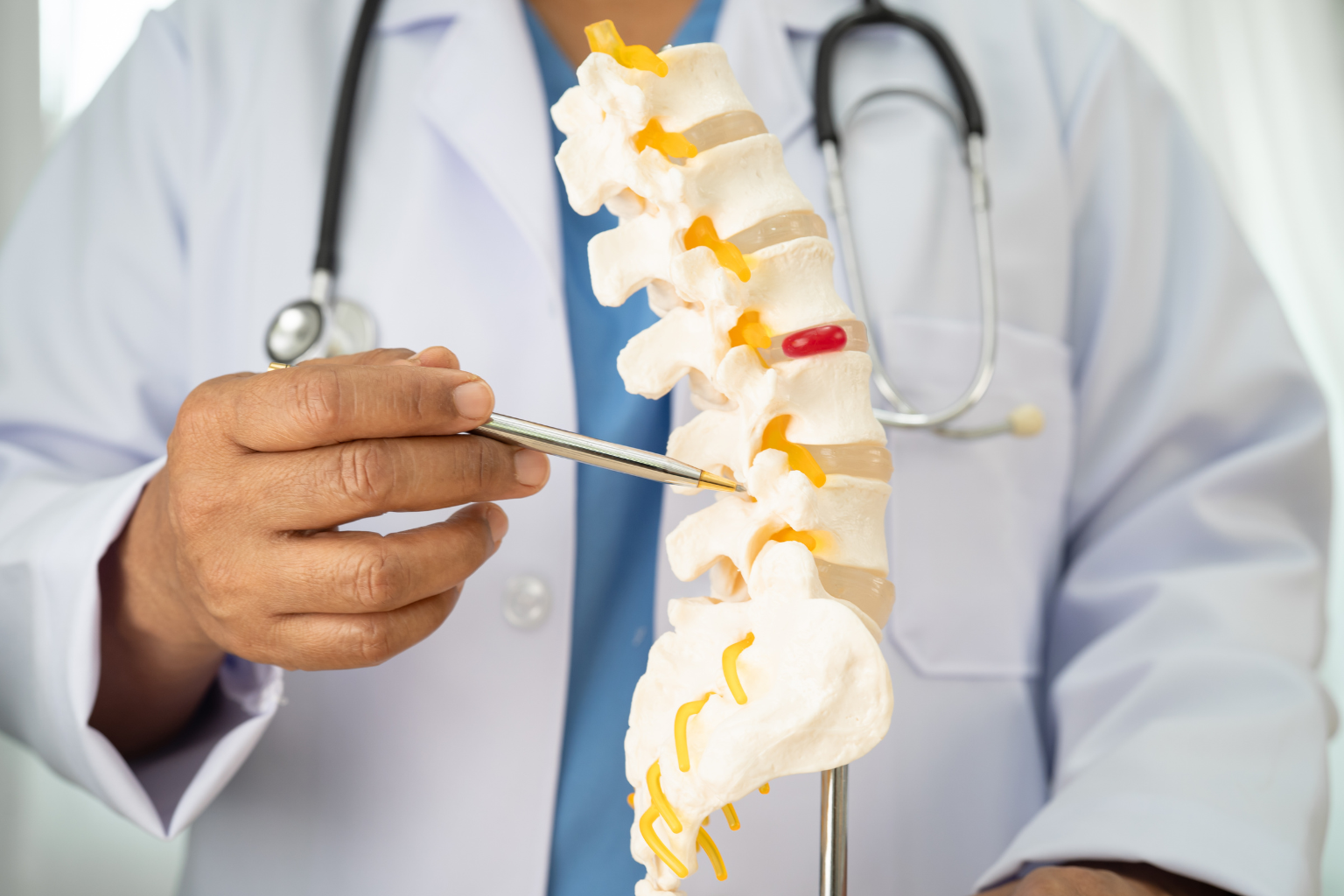
Your spine is made up of bones called vertebrae. In the lower back (lumbar spine), each vertebra is roughly block-shaped and helps support your body weight. These vertebrae are labelled L1 to L5, and a compression fracture can occur at any of these levels.
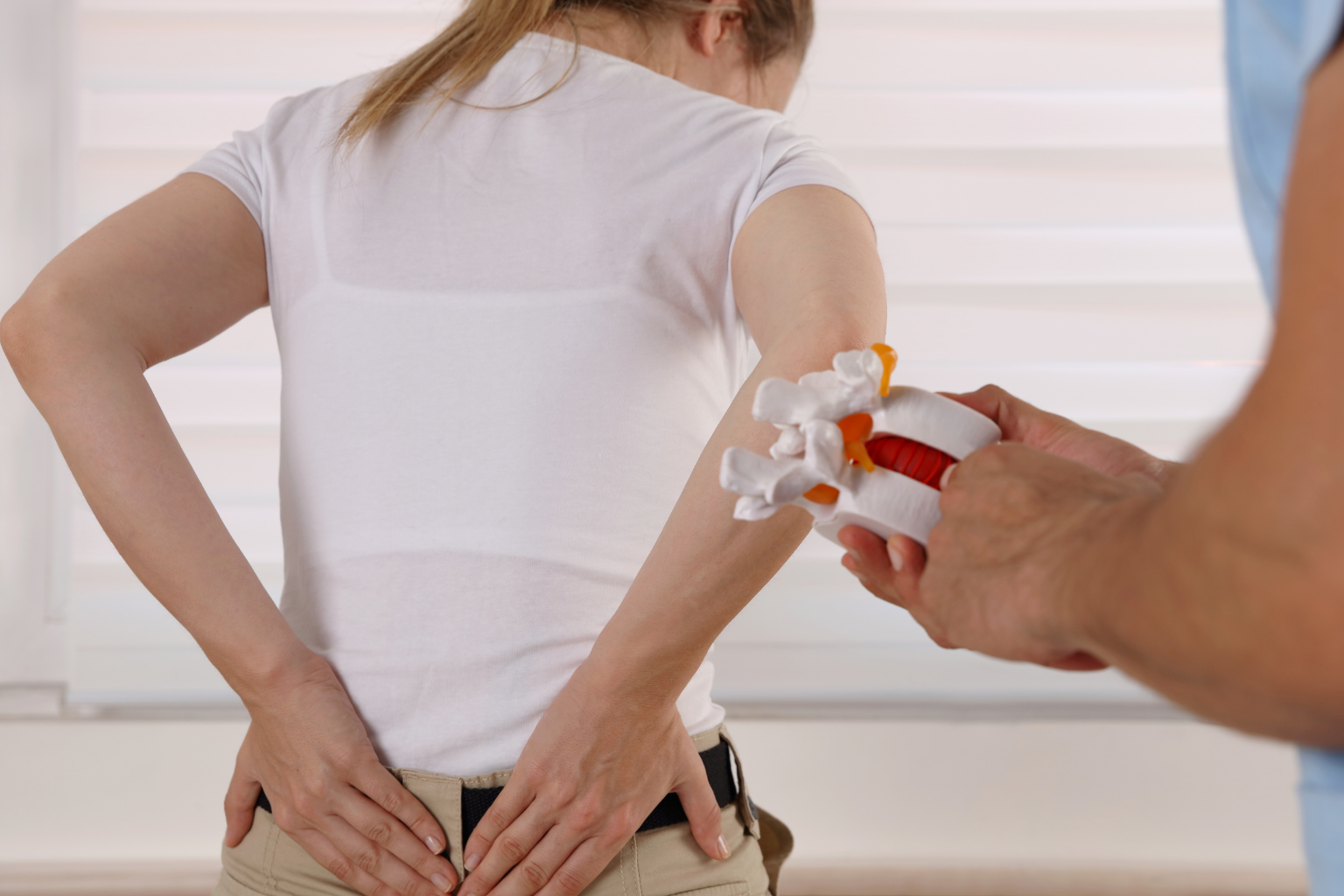
A lumbar vertebral compression fracture happens when the front part of one of these vertebral bodies is crushed or compressed. This creates a wedge-shaped vertebra that is slightly shorter at the front than at the back. In older adults, this commonly occurs because the bone has become weaker and more fragile due to osteoporosis. However, compression fractures can happen after a fall, or sometimes after a minor strain or even a simple movement like bending or lifting.
Not all compression fractures cause pain. Some are discovered by chance on scans done for other reasons. But even silent fractures are important because they signal weak bones and a higher risk of future fractures.
Common causes of lumbar compression fractures
Osteoporosis
Osteoporosis is the most common cause. It is a condition where bones become less dense and more fragile over time. The spine, wrist and hip are especially vulnerable to osteoporotic fractures.
Women after the menopause, older men, and people on long-term steroid medications are at higher risk. Osteoporosis often develops quietly with no symptoms, so fractures may be the first sign of weak bones.
Minor trauma on fragile bones
When bones are weakened by osteoporosis, even everyday injuries can cause fractures. A simple fall from standing height, bending, twisting or lifting something light can be enough to break a vertebra. Because the bone is fragile, the injury needed to cause a fracture is much smaller than in a younger person with healthy bones.
A spinal compression fracture from a fall is one of the most common presentations seen in this group.
Significant trauma
In younger people or those with stronger bones, compression fractures usually require major injury. High-energy trauma, such as a road traffic collision or a fall from a significant height, can cause vertebral fractures even in healthy bone.
Underlying medical conditions and steroid use
Rarely, compression fractures can be caused by conditions that affect bone strength, such as certain cancers, bone infections or diseases that weaken the skeleton. People taking long-term steroid medications (for example, for rheumatoid arthritis or chronic lung disease) also have weaker bones and a higher fracture risk.
If there is concern about a cause other than osteoporosis, your doctor will explain this and arrange appropriate tests.
A quick assessment at our Bishop's Stortford clinic can confirm whether your symptoms need urgent attention or simple monitoring.

Symptoms to watch for
Sudden onset of back pain, often felt in the lower or mid-back, usually in one spot. Pain may start after a fall, lifting, or even a cough or sneeze.
Pain that worsens with movement, worse when standing, walking, bending or twisting. Often eased by lying down or changing position frequently.
Local tenderness, the area over the fracture may be painful or tender to touch.
Stiffness and reduced mobility, difficulty straightening up, getting out of a chair, turning in bed or walking normally.
Height loss or change in posture, over time, multiple fractures can cause loss of height and a more bent-forward appearance.
Red flags, seek urgent medical help if you notice:
- New problems controlling your bladder or bowels
- Numbness around the genitals or lower back area
- Sudden, marked weakness in one or both legs
These signs are uncommon but may indicate serious nerve involvement and need emergency assessment at A&E.
When to see a doctor
Most people with a lumbar compression fracture benefit from prompt assessment. You should see a doctor if you have sudden, severe back pain, especially after a fall, even if you are not sure a fracture has occurred. You should also seek help if you have ongoing back pain affecting your daily life, or if you are at high risk of osteoporosis (older age, female, long-term steroid use, previous fractures).
A GP or spine specialist will take a history of your pain, examine your back and order imaging such as X-rays or MRI scans to confirm the diagnosis. They will also check whether nerves are working properly and assess your overall bone health.
If you are experiencing the red flag symptoms above (neurological deficit, loss of bladder or bowel control, or sudden leg weakness), go to A&E immediately or call 999.
A quick assessment at our Bishop's Stortford clinic can confirm whether your symptoms need urgent attention or simple monitoring.
Treatment options
Conservative treatment (first-line)
Most lumbar vertebral compression fractures are stable and heal well without surgery. Conservative treatment focuses on pain relief, movement and bone health.
Pain management is important so you can move and breathe comfortably. This may include simple painkillers such as paracetamol, anti-inflammatory medicines if safe for you, and stronger pain relief in the early days under medical supervision. Your doctor will aim for the lowest effective dose for the shortest necessary time.
Activity and movement are encouraged. Complete bed rest is not recommended. Gentle movement, such as short walks around the home, helps maintain muscle strength, circulation and lung function, and reduces the risk of stiffness or blood clots.
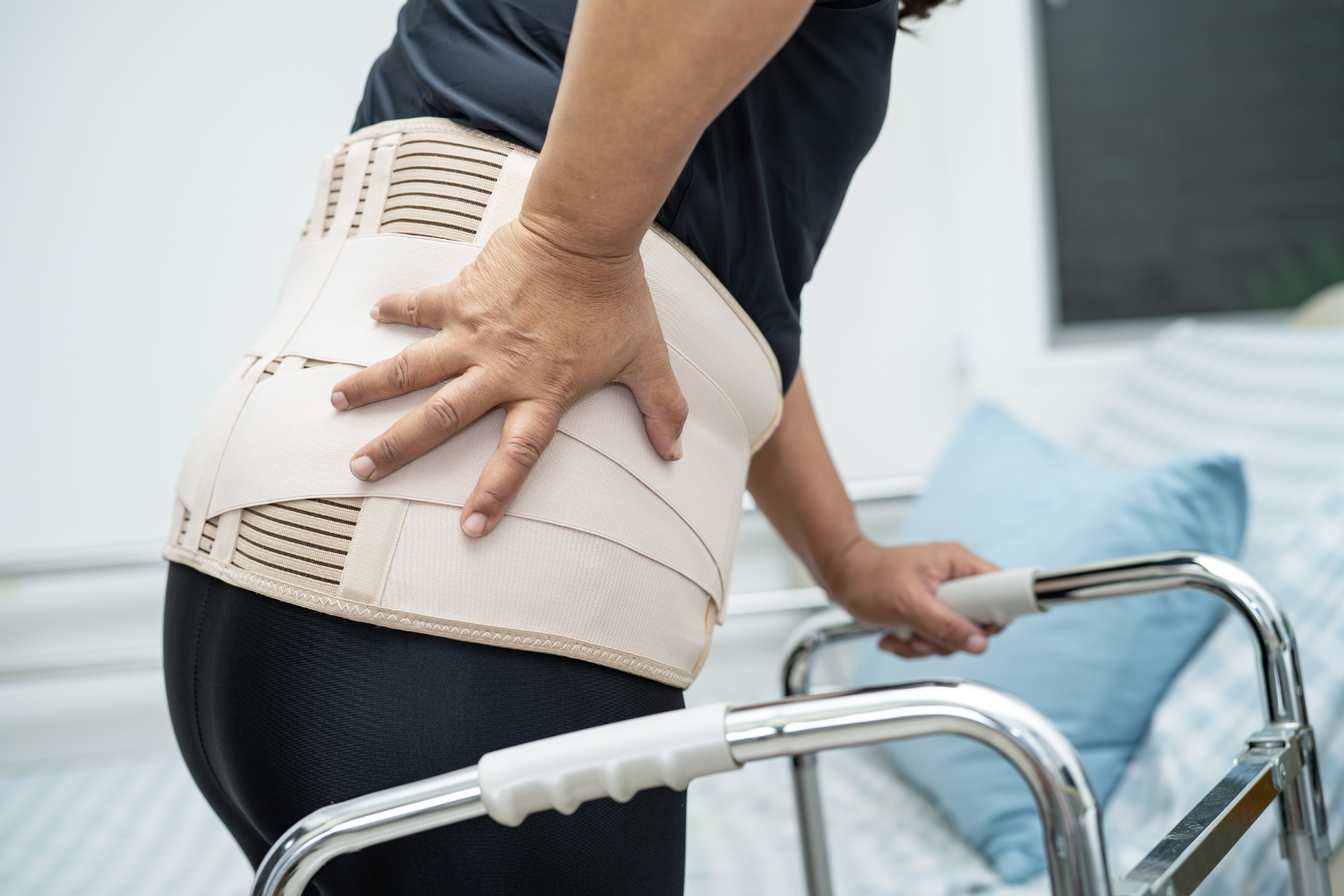
Spinal bracing may be prescribed, especially in the early phase. A brace supports the spine and limits painful movement. Braces are usually worn for a limited time (for example, several weeks), not permanently. Your physiotherapist will guide you on how to wear and wean off the brace.
Physiotherapy becomes important once the acute pain is settling. A physiotherapist will guide you through gentle exercises for mobility and posture, gradually strengthen back, hip and core muscles, provide advice on safe bending and lifting, and offer falls-prevention strategies. Exercises help improve posture, reduce stiffness and lower the risk of further fractures in the long term.
Medical management of underlying osteoporosis
Because most lumbar compression fractures are linked to weak bones, treating osteoporosis is vital to prevent future fractures. According to the NHS, this may include a bone density (DEXA) scan to assess your bone strength, blood tests to check for factors like vitamin D or calcium deficiency, medications such as bisphosphonates to strengthen bone, calcium and vitamin D supplementation if needed, and lifestyle measures including weight-bearing exercise, balance training, stopping smoking and limiting alcohol.
Your doctor may liaise with an osteoporosis service or your GP to organise longer-term bone health care tailored to your risk.
Surgical and interventional options
Most people improve with painkillers, bracing and physiotherapy. In a small number of patients with severe, persistent pain that does not respond to conservative measures, minimally invasive procedures may be considered.
Vertebroplasty or kyphoplasty involves injecting bone cement into the fractured vertebra to reduce pain and support the bone. These procedures are reserved for carefully selected cases where conservative treatment has failed, and imaging confirms an active, painful fracture. They have potential benefits but also risks, so they are offered only after a detailed discussion.
Open surgery is rarely needed for typical osteoporotic compression fractures. It may be considered if there is significant collapse causing nerve compression with neurological symptoms, a high-energy traumatic fracture with spinal instability, or an underlying condition such as a tumour requiring surgical treatment. In these cases, you would be referred to a spinal surgery team.
Recovery and prevention
The fractured vertebra usually heals over 6 to 12 weeks. Pain is typically worst in the first few weeks and then gradually improves. However, the vertebra does not return to its original shape; it heals in a compressed or wedge shape.
A single fracture often settles well, but having one fracture increases the risk of more if bone strength is not addressed. This is why treating osteoporosis is so important.
You can play a major role in your recovery:
- Follow your pain-relief plan so you can move and breathe comfortably
- Stay as active as pain allows, gradually increasing walking and light activity
- Do the exercises recommended by your physiotherapist to maintain strength and posture
- Work on bone health through diet, supplements if advised, and osteoporosis medication if prescribed
- Reduce fall risk by improving home lighting, removing trip hazards, using handrails and wearing supportive footwear
- Attend all follow-up appointments so your progress and bone health can be reviewed
Falls prevention is especially important. Simple measures like good lighting, non-slip flooring, removing clutter and loose rugs, fixing loose handrails and reviewing your vision and footwear can significantly reduce fracture risk.
How SABA Health Clinic can help
If back pain from a possible compression fracture is affecting your daily life, our doctors at SABA Health Clinic can help you find answers and a treatment plan that fits you.
- Specialist assessment for spinal fractures and musculoskeletal conditions
- Same-day and next-day appointments available
- No GP referral needed
- Tailored recovery plans including physiotherapy referral and bone health advice
A quick assessment at our Bishop's Stortford clinic can confirm whether your symptoms need urgent attention or simple monitoring.

.png)