

What is non-specific mechanical low back pain?
Non-specific mechanical low back pain describes pain in your lower back that arises from muscles, ligaments, joints, and discs without a single dominant structural fault or serious underlying disease. It’s called "mechanical" because the pain changes with movement and load, and "non-specific" because imaging often shows age-related wear that doesn’t clearly point to one pain generator.
This differs from non-mechanical back pain, which stems from an underlying disease process such as infection or inflammatory conditions and needs a different approach.
It is the most common form of low back pain seen in primary care. Episodes are typically triggered by minor strain, prolonged poor posture, or gradual overload rather than a single major injury. The reassuring part: most people improve significantly within days to weeks with appropriate management.
Common causes and why it happens
Several overlapping factors explain the causes of mechanical low back pain, and identifying yours helps guide treatment.
Muscle and ligament strain
Small tears or overload in the muscles and ligaments supporting your lower back are common culprits. These are often minor and heal naturally, but they can feel painful and restricting. Repetitive lifting, awkward movements, or sudden changes in activity level can trigger this kind of strain.
Joint and disc irritation
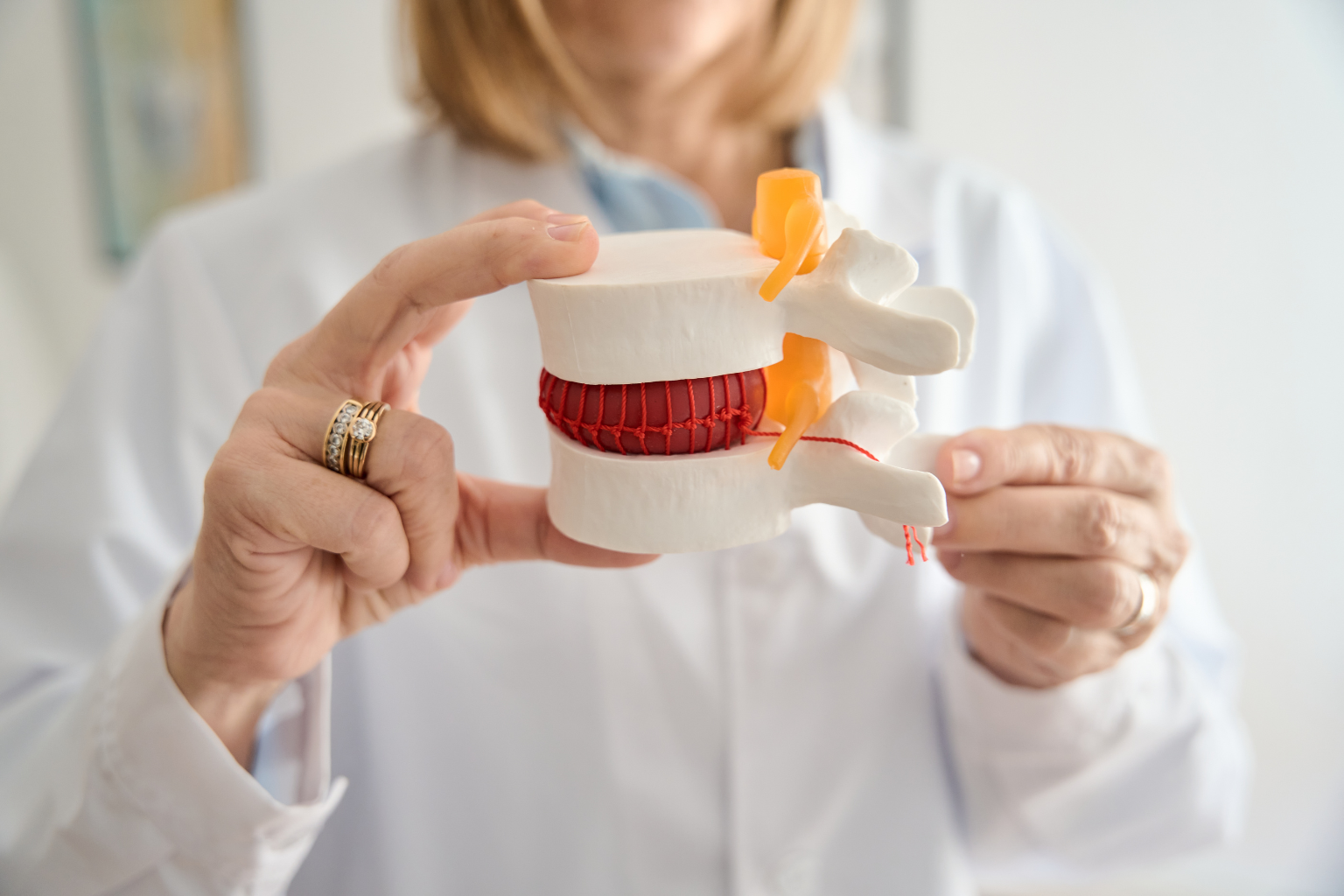
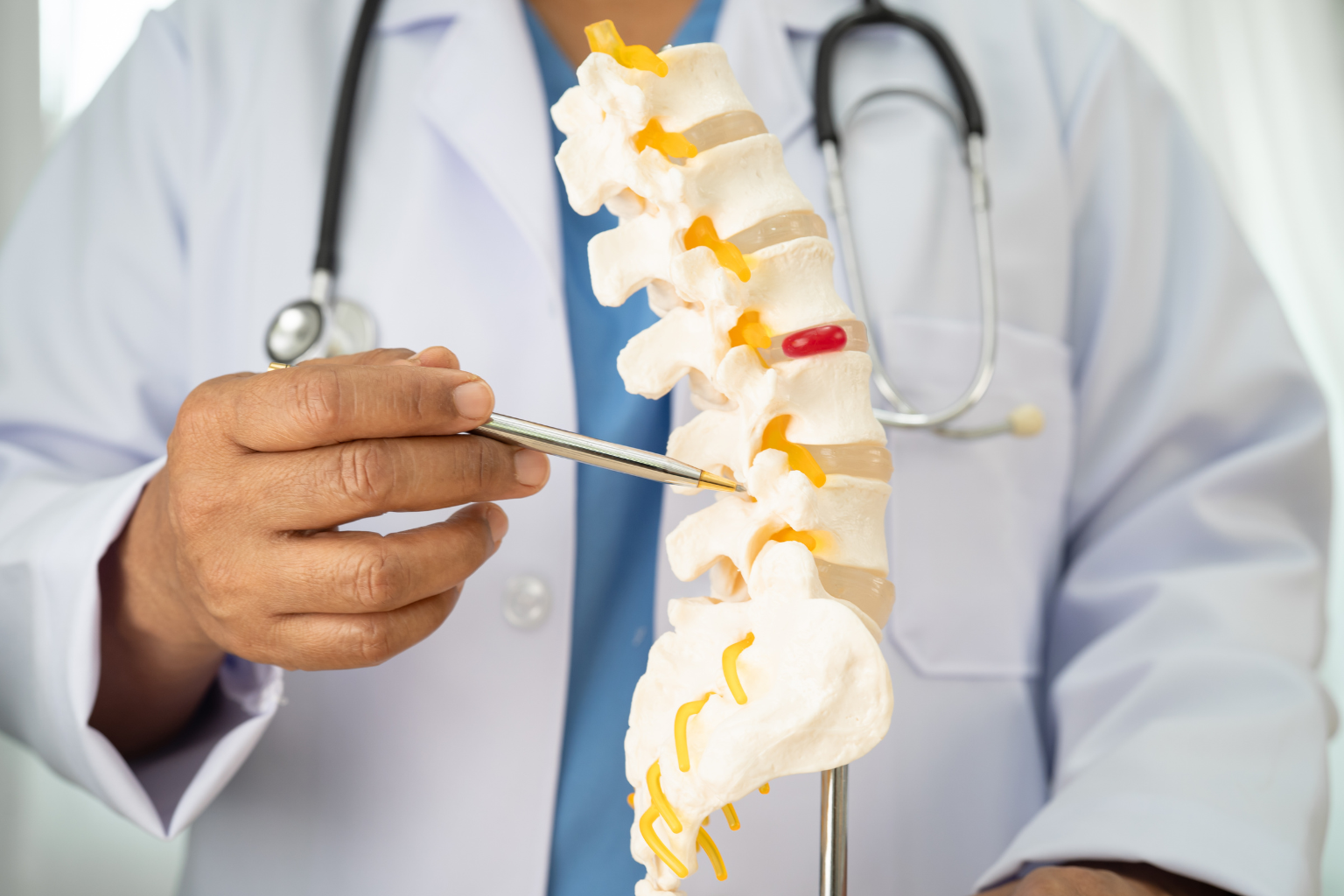
Minor irritation of your facet joints (the small joints that link your vertebrae together) or low-grade disc strain without major herniation can cause localised pain. Age-related wear affects everyone eventually, but it doesn’t necessarily cause pain or disability.
Weakness and poor control
Reduced trunk and hip strength, combined with poor movement control, puts extra strain on the passive structures of your spine (muscles, ligaments, discs). When your core isn’t working efficiently, surrounding tissues bear more load than they should.
Lifestyle and occupational factors
Prolonged sitting or static postures (especially in flexed or twisted positions), sudden jumps in activity level, or repetitive manual handling at work all play a role. Poor sleep, high stress, low mood, and fear of movement can also prolong symptoms and slow recovery.
Deconditioning
General physical deconditioning and reduced fitness make you more vulnerable to back pain and slower to recover from it.
Symptoms to watch for
Common mechanical back pain symptoms include:
- Aching or sharp pain in the lower back, often centred or slightly off-centre
- Pain that sometimes spreads into the buttocks but usually does not travel below the knee
- Pain aggravated by particular movements or postures (prolonged sitting, bending, standing) and eased by others (short walks, frequent position changes)
- Stiffness after rest, especially first thing in the morning or after sitting, improves as you move
- Episodes that flare and settle over time, with background vulnerability if contributing factors are not addressed
- No significant weakness, numbness, or tingling (if these are present, seek professional advice promptly)
Book an assessment at our Bishop's Stortford clinic and find out exactly what's behind your symptoms before trying more treatments.

When to see a doctor
If your low back pain is mild and improving, you may manage it at home with movement, simple pain relief, and postural awareness. However, you should contact a GP or visit a clinic urgently if you experience:
- Pain following significant trauma or falls
- Unexplained weight loss, fever, or a history of cancer
- Bladder or bowel changes, or loss of control
- Significant weakness in one or both legs
- Pain that is not improving after 2 to 3 weeks, or that is worsening
- Pain so severe that it prevents sleep or daily activity despite simple measures
These features may indicate something other than simple mechanical low back pain and require a proper assessment to rule out serious pathology. According to NICE guideline NG59 on low back pain and sciatica, a clinical assessment is far more useful than routine imaging for directing treatment in most cases.
If your symptoms are severe or you are in extreme pain, go to A&E or call 999.
A qualified GP or clinician can perform a clinical assessment, screen for red flags, and advise you on the best next steps. Early professional input often prevents unnecessary worry and speeds recovery.
Treatment options
A range of options exist for treatment for mechanical back pain, ranging from simple self-management to medical review depending on severity.
Conservative (first-line)
Stay active. Bed rest delays recovery. Short-term relative rest (a few days) is reasonable, but a gradual return to movement and usual activities is encouraged. Think of it as "movement, not immobility".
Education and reassurance. Understanding that most mechanical low back pain is not due to serious damage and tends to improve over time is powerful. Flare-ups are common and manageable; they do not mean you have re-injured yourself.
Simple analgesia. Over-the-counter pain relief, taken as needed, can help you move better and sleep. This enables your body to recover more effectively. Speak to a pharmacist about which options suit you.
Exercise-based rehabilitation. An individualised exercise programme improves flexibility, trunk and hip strength, and movement control. Graduated exposure to previously aggravating activities restores confidence and capacity. This is often best delivered by a physiotherapist who can tailor the programme to your needs and progress.
Address lifestyle factors. Review workplace posture, lifting technique, and stress levels. Practical modifications can prevent future episodes and reduce flare-ups.
Manual and physical therapies. Short courses of spinal mobilisation, soft-tissue techniques, or acupuncture can support active rehabilitation, especially when combined with exercise.
Psychosocial support. Fear-avoidance, low mood, high stress, and unhelpful beliefs about pain can slow recovery. Identifying and addressing these factors, sometimes with cognitive-behavioural approaches, can make a real difference.
Medical interventions
Cortisone (steroid) injections have a limited role in purely non-specific mechanical low back pain. Evidence shows they are more helpful when there is clear nerve root irritation or a specific, identified pain source (such as facet-joint pain).
For undifferentiated mechanical low back pain, guidelines emphasise activity, education, and rehabilitation as first-line. Injections may be considered if symptoms persist and assessment identifies a more specific target.
Surgical options
Surgery is not appropriate for non-specific mechanical low back pain without clear, serious structural pathology or nerve compression unresponsive to conservative care. Most people recover fully without surgery.
If your symptoms are unusually persistent or worsening despite appropriate conservative management, your GP or specialist will advise whether imaging and further assessment are needed.
Book an assessment at our Bishop's Stortford clinic and find out exactly what's behind your symptoms before trying more treatments.
Recovery and prevention
Recovery from a non-specific low back pain episode typically takes days to weeks with appropriate management. Staying active, doing the exercises prescribed, and maintaining reasonable posture all support faster healing.
To reduce the risk of future flare-ups:
- Continue a regular exercise or activity routine. Building trunk strength and flexibility is one of the most effective long-term defences against recurrent low back pain
- Be mindful of posture and ergonomics at work and at home, but avoid overthinking it; frequent changes of position are healthier than rigid "perfect" posture
- Lift safely: bend at the knees, keep loads close to your body, and avoid twisting whilst holding weight
- Manage stress and prioritise sleep. Both influence pain perception and recovery
- Take breaks if your job involves prolonged sitting
- Stay generally fit. Regular walking, swimming, or other activities you enjoy keep your back resilient
Most people build confidence and resilience over time, with fewer flare-ups as they get stronger and more in tune with their back’s needs. You do not need to accept chronic pain as inevitable: understanding what is happening, staying mobile, and building strength over time puts you firmly back in control.
How SABA Health Clinic can help
At SABA Health Clinic in Bishop's Stortford, our doctors can help you find answers and a treatment plan that fits your needs.
- Thorough clinical assessment of your back pain without unnecessary imaging, with a clear explanation of findings
- Same-day and next-day appointments available, with no GP referral needed
- Personalised treatment plans combining education, analgesia, and referral to physiotherapy for exercise-based rehabilitation
- Referral pathways for musculoskeletal assessment and targeted injections if conservative care alone is not providing adequate relief
Book an assessment at our Bishop's Stortford clinic and find out exactly what's behind your symptoms before trying more treatments.

.png)