


%20After%20Botox.png)
What is Botox and how does it work?
Botox is the most widely recognised brand name for botulinum toxin, a prescription-only medicine that temporarily relaxes targeted facial muscles. As the NHS explains, botulinum toxin injections relax the muscles responsible for expression lines, such as crow's feet, frown lines, and forehead wrinkles. Results are not permanent and typically last around three to four months.
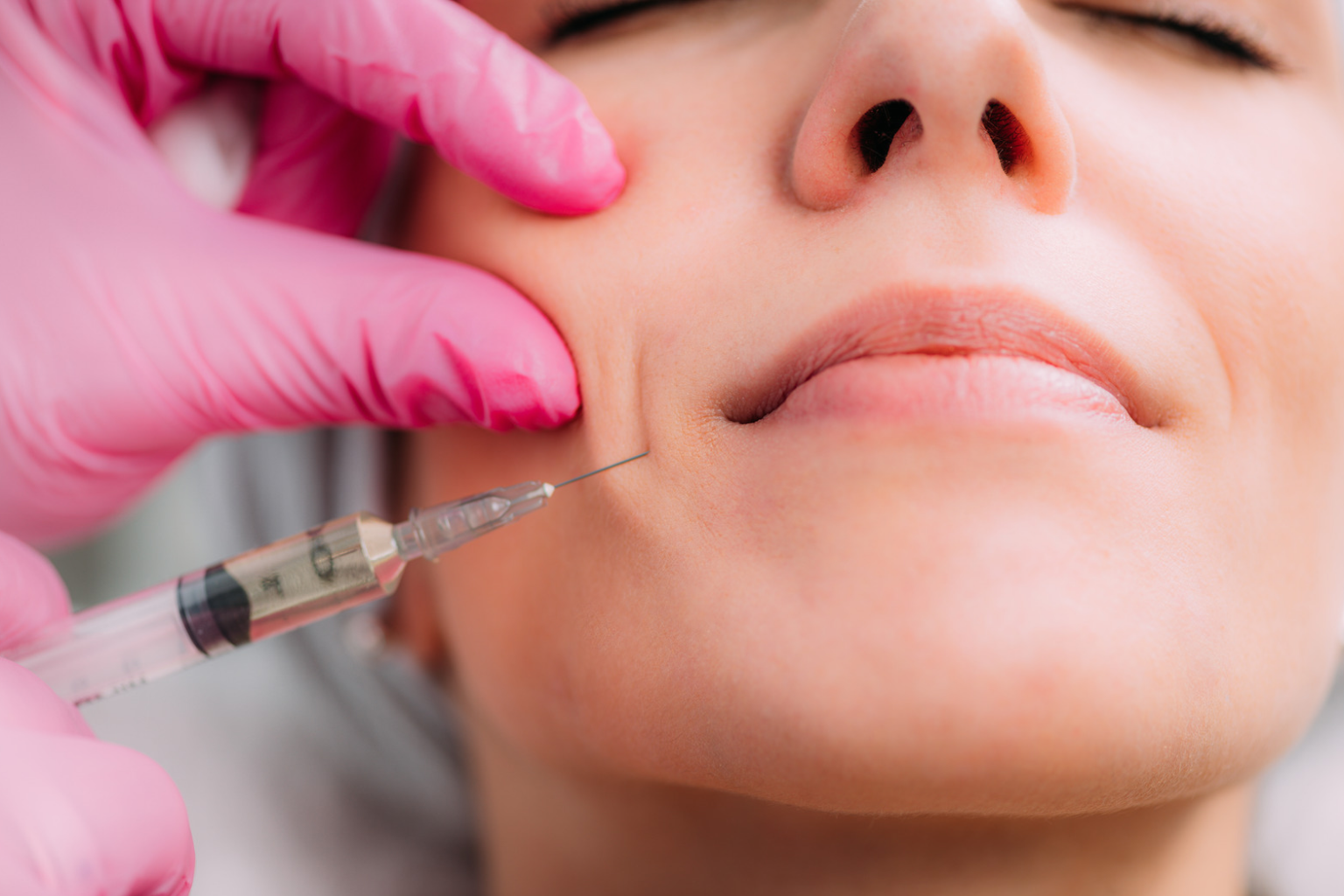
The treatment itself is quick, usually around ten minutes, and involves a series of small injections using a very fine needle. Most people return to their day immediately afterwards. There is no surgical incision, no general anaesthetic, and no significant downtime.
Understanding how it works is useful context for aftercare. The toxin binds to nerve endings in the injected muscle and prevents them from receiving the signal to contract. This binding process is not instantaneous. It takes time for the product to settle into the right position within the tissue, which is why the first 24 hours carry the most important aftercare instructions.
What to do after Botox
Good aftercare is less about a long checklist and more about a few sensible habits in the right timeframe.
In the first four to six hours
- Stay upright. Avoid lying down or bending forward for at least four to six hours after your injections. Remaining upright helps the product stay localised to the treatment area.
- Move your treated muscles gently. Lightly exercising the injected muscles, such as frowning, raising your brows, or smiling, can help the toxin bind effectively. Your practitioner may specifically suggest this.
- Keep the area clean and do not touch it unnecessarily. If you need to apply anything to your face, do so with clean hands and minimal pressure.
In the first 24 to 48 hours
- Be gentle with your skincare routine. Avoid anything that requires rubbing, scrubbing, or applying firm pressure to the treated areas.
- Avoid makeup if possible, particularly heavy or pore-blocking products. If you need to wear it, apply gently and avoid pressing down on injection sites.
- Stay cool. Hot showers, saunas, and steam rooms can dilate blood vessels and increase the risk of bruising or swelling. Save them for another day.
- Rest well. You do not need to limit your activities dramatically, but a calm evening with no intense physical demands on your body is a reasonable approach.
In the days following treatment
- Protect your skin from sun exposure. UV damage affects skin quality and can accelerate the breakdown of results over time. Use SPF consistently.
- Stay hydrated and maintain your normal healthy habits. Botox results are not improved by any supplement or product, but a healthy baseline supports overall skin health.
- Attend your follow-up appointment if one has been arranged. Some practitioners schedule a two-week review to assess results and address any asymmetry or areas that may need a small top-up.
Visit our Bishop's Stortford clinic for a personalised assessment, expert medical advice, and treatment recommendations tailored to your individual needs.

What to avoid after Botox
The avoidances are as important as the actions, particularly in the first 24 to 48 hours.
- Do not rub or massage the treated areas. This is the most commonly emphasised instruction for good reason. Applying pressure to injection sites can cause the toxin to migrate to adjacent muscles, leading to unintended effects such as a drooping eyelid or uneven brow.
- Avoid strenuous exercise for at least 24 hours. Intense activity raises your heart rate and blood pressure, which increases the risk of bruising and may affect how the product settles.
- Do not drink alcohol on the day of treatment and ideally for 24 hours afterwards. Alcohol thins the blood and can worsen bruising at injection sites.
- Avoid sleeping face-down on the night of your treatment. Pressure on the face while the product is still settling is not ideal.
- Skip facials, skin treatments, and laser procedures for at least two weeks. Any treatment that involves heat, pressure, or manipulation of the skin overlying injection sites should wait until the product has fully settled.
- Do not take aspirin or anti-inflammatory painkillers such as ibuprofen unless medically necessary. These can increase bruising. Paracetamol is fine if you have any mild discomfort.
When should you contact your practitioner?
Most people experience no significant side effects after Botox. Mild redness, small bumps at injection sites, and slight tenderness are all normal and resolve quickly. However, it is worth getting in touch with your practitioner if you notice any of the following.
- Drooping of an eyelid or eyebrow that appears a few days after treatment and does not resolve.
- Asymmetry that seems significant once the product has had time to take effect, usually after ten to fourteen days.
- Any signs of infection at an injection site, such as increasing redness, warmth, or swelling beyond the first day.
- Difficulty swallowing or breathing. These are very rare but serious and require urgent medical attention.
The NHS notes that the risks of botulinum toxin are small when the procedure is carried out correctly by a suitably qualified practitioner. Choosing your provider carefully is one of the most effective things you can do to reduce the likelihood of complications.
Visit our Bishop's Stortford clinic for a personalised assessment, expert medical advice, and treatment recommendations tailored to your individual needs.
When will you see results and how long do they last?
Botox does not work instantly. Most people begin to notice the effects between three and five days after treatment, with full results typically visible at around ten to fourteen days. This is also the point at which any asymmetry becomes clearer and a review appointment, if offered, is usually scheduled.
Results last around three to four months on average, though this varies depending on the treatment area, the dose used, how your body metabolises the product, and your general lifestyle. Areas with stronger muscle activity, such as the forehead, may see results fade more quickly than areas with lighter movement.
Repeating treatment before three months have elapsed is generally not recommended. Waiting for effects to wear off naturally before booking your next appointment helps maintain a balanced and natural-looking outcome over time.
How SABA Health Clinic can help
At SABA Health Clinic in Bishop's Stortford, all aesthetic treatments are delivered within a medically led, safety-first environment.
- Anti-wrinkle injections carried out by our Aesthetic Lead, a qualified Consultant Anaesthetist
- Full consultation before any treatment to assess suitability and discuss your goals
- Personalised aftercare guidance provided at every appointment
- No GP referral needed to book
- A calm, clinical setting focused on safe, natural results
Visit our Bishop's Stortford clinic for a personalised assessment, expert medical advice, and treatment recommendations tailored to your individual needs.

.png)






.svg)


