



What is Botox and how does it work?
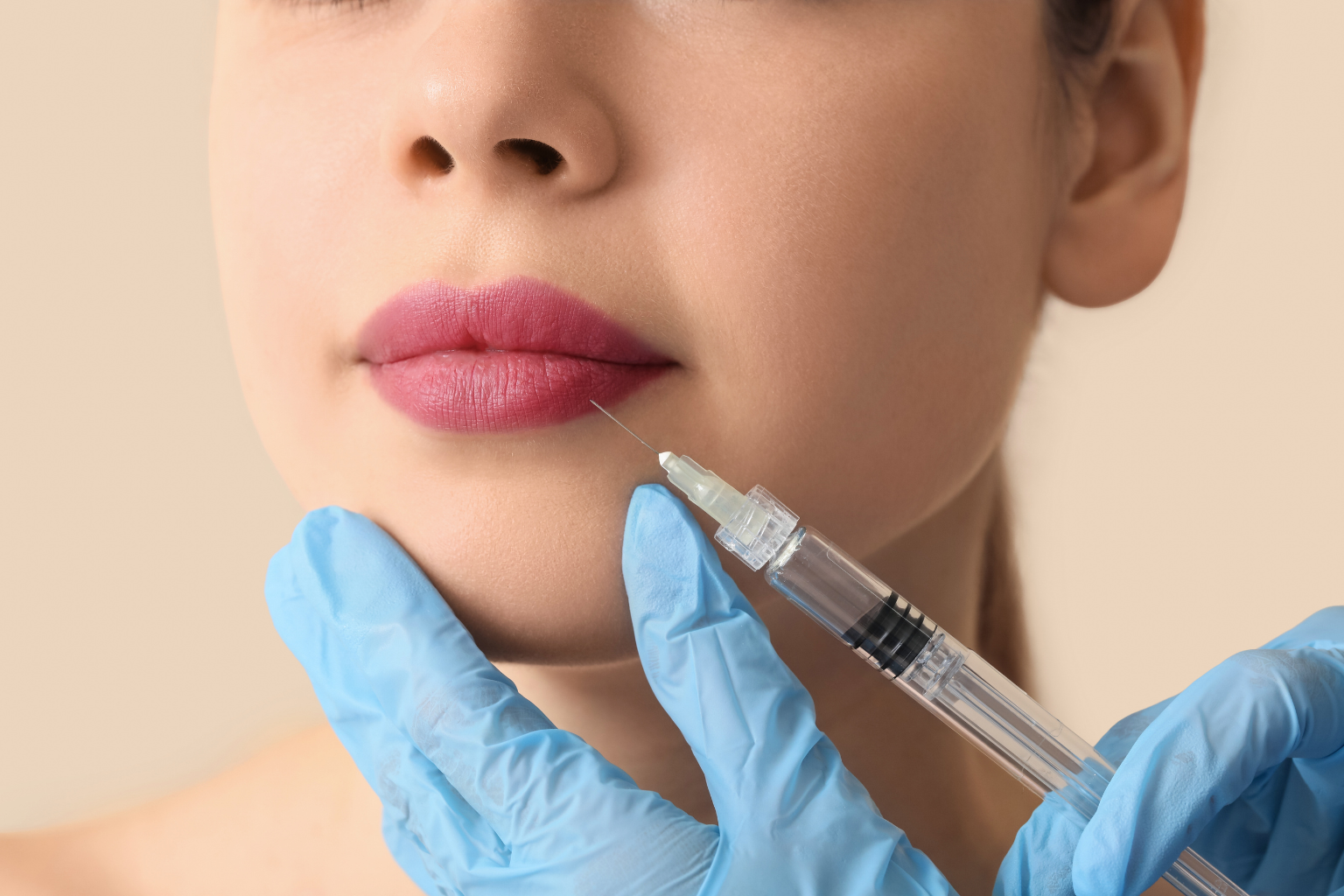
Botox is a brand name for botulinum toxin, a prescription-only medicine used to relax the muscles beneath the skin, softening lines and wrinkles on the face.
According to the NHS, botulinum toxin injections smooth out lines such as crow's feet and frown lines by temporarily relaxing the underlying facial muscles. Results typically last around three to four months, after which treatment can be repeated.
It is important to understand that botulinum toxin is not a cosmetic product you can simply buy over the counter. It is a prescription medicine, and in the UK it can only be prescribed in a face-to-face meeting with a qualified medical practitioner.
This legal requirement exists because the treatment carries real risks when it is administered incorrectly, and those risks are directly linked to the training and experience of the person performing it.
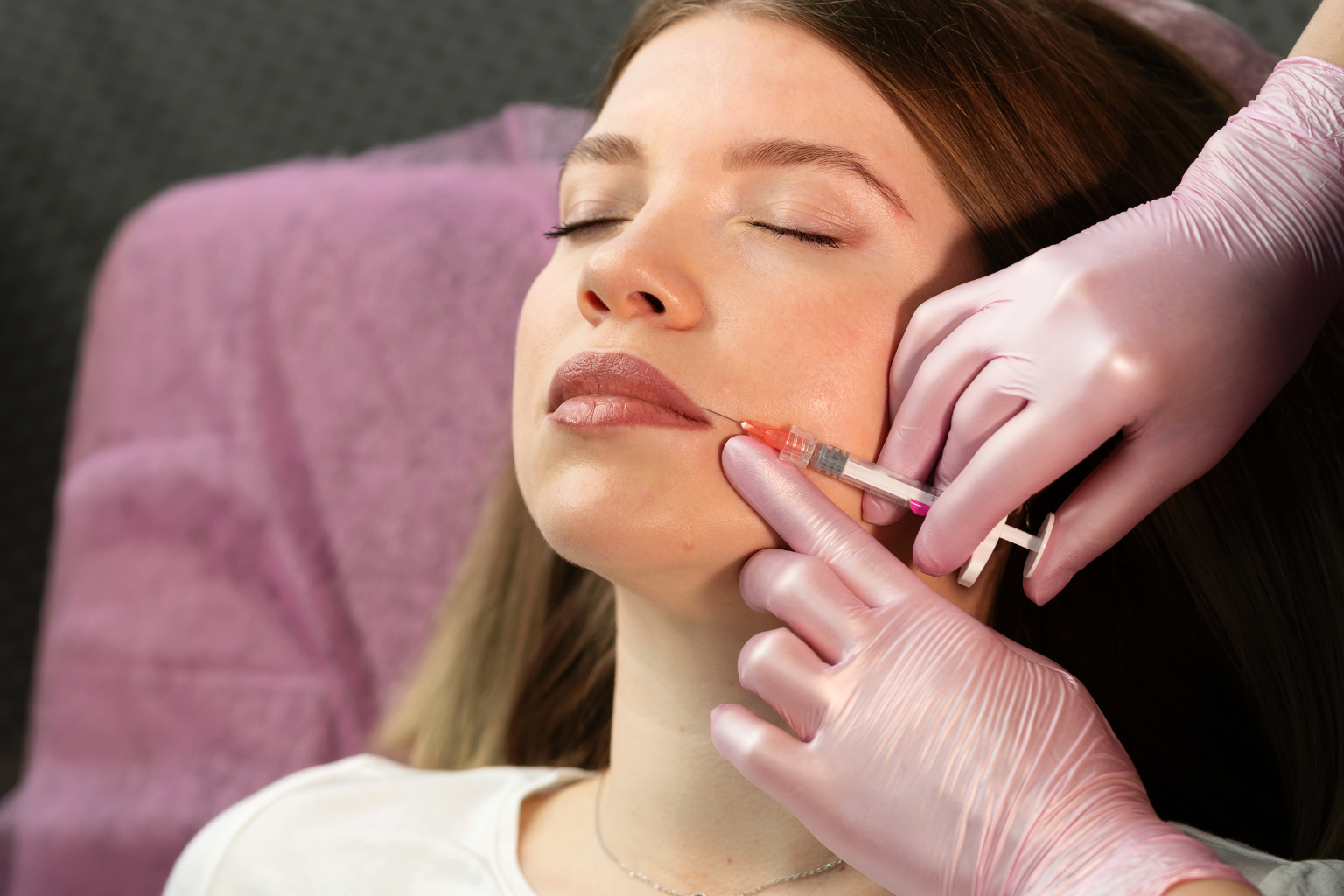
Botox is most commonly used to treat forehead lines, frown lines between the brows, and crow's feet around the eyes. It is also used for other purposes including lip flips, gummy smile correction, jaw slimming, and treatment of excessive sweating. Each area requires a different technique and a different level of clinical expertise.
What makes a good Botox provider?
Not all providers are equal, and the differences matter significantly when a needle is involved. The NHS advises that anyone considering a cosmetic procedure should check that their practitioner has the right training, skills, and insurance to safely carry out the procedure.
This is especially important for botulinum toxin, which is a prescription-only medicine with specific legal requirements around how it is supplied and administered.
There are several things that distinguish a genuinely qualified provider from someone who has simply completed a short weekend course and set up a treatment room.
A safe provider will have a clinical background, a demonstrable understanding of facial anatomy, and a clear process for assessing suitability before treatment begins. They will also carry appropriate insurance and be prepared to manage complications if they arise.
Doctor-led clinics offer a particular level of assurance. When a medically qualified doctor prescribes and personally administers your treatment, they bring clinical judgment alongside technical skill.
They are trained to assess your medical history, identify contraindications, and respond appropriately if anything goes wrong.
Visit our Bishop's Stortford clinic for a personalised assessment, expert medical advice, and treatment recommendations tailored to your individual needs.

What to look for when choosing a Botox provider
These are the key questions to ask and checks to make before booking any anti-wrinkle treatment, as recommended by NHS guidance on cosmetic procedures:
- The practitioner should have appropriate medical qualifications and be registered with a relevant regulatory body such as the General Medical Council (GMC)
- The clinic should be registered with the Care Quality Commission (CQC), which sets and monitors standards for healthcare providers in England
- Botulinum toxin must be prescribed in a face-to-face consultation, not online or over the phone, and the prescribing clinician should be identifiable
- You should be offered a consultation before any treatment takes place, with time to ask questions and consider your decision without pressure
- The practitioner should be able to explain the risks, what to do if something goes wrong, and what aftercare is included
- Be cautious of providers offering deeply discounted treatments, group bookings, or advertising heavily through social media without verifiable clinical credentials
- Ask whether the person giving the injections is the same person who prescribes the treatment, and check their specific training in aesthetic medicine
It is also worth remembering that the cheapest option is rarely the safest. The cost of correcting a poorly administered treatment, or managing a complication, almost always exceeds the savings made upfront.
Red flags to watch out for
The NHS recommends avoiding group treatments, procedures offered at events involving alcohol, mobile services carried out in homes or hotels, and practitioners who only advertise on social media without verifiable credentials. These are not just inconveniences; they are genuine indicators of risk.
Other warning signs include providers who are reluctant to discuss their qualifications, clinics that do not offer a pre-treatment consultation, and treatments offered without a face-to-face prescription. If a practitioner cannot tell you clearly who will be prescribing your botulinum toxin, that is a serious concern.
In Hertfordshire, as in the rest of England, the cosmetic aesthetics market is growing quickly. This means more choice, but also more variation in standards. Doing a small amount of research before you book can make a significant difference to both your safety and your results.
Visit our Bishop's Stortford clinic for a personalised assessment, expert medical advice, and treatment recommendations tailored to your individual needs.
When should you see a doctor rather than a beautician?
Botulinum toxin is a prescription medicine, which means the legal and medical standard already requires involvement of a qualified clinician. In practice, however, the person who prescribes the treatment and the person who administers it are sometimes different, and the level of medical oversight varies considerably between providers.
Choosing a doctor-led clinic means you have direct access to medical expertise at every stage, from your initial assessment through to any follow-up.
It is particularly important to see a medically qualified practitioner if you have any underlying health conditions, take regular medication, are pregnant or breastfeeding, or have previously had complications from aesthetic treatments.
If you are unsure whether Botox is appropriate for you, a GP or specialist can help you make that decision safely.
How SABA Health Clinic can help
SABA Health Clinic offers doctor-led anti-wrinkle treatments from our clinic in Bishop's Stortford, serving patients across Hertfordshire and the surrounding area.
- All treatments are delivered by a Consultant Anaesthetist with specialist expertise in medically-led aesthetic procedures
- Botulinum toxin is prescribed and administered in a fully clinical environment by a qualified medical practitioner
- An initial consultation is included to assess your suitability, discuss your goals, and answer your questions before any treatment takes place
- SABA Health Clinic is CQC registered, offering the standards and accountability you would expect from a professional medical setting
- Appointments are available with no GP referral required
Visit our Bishop's Stortford clinic for a personalised assessment, expert medical advice, and treatment recommendations tailored to your individual needs.

.png)







.svg)


