


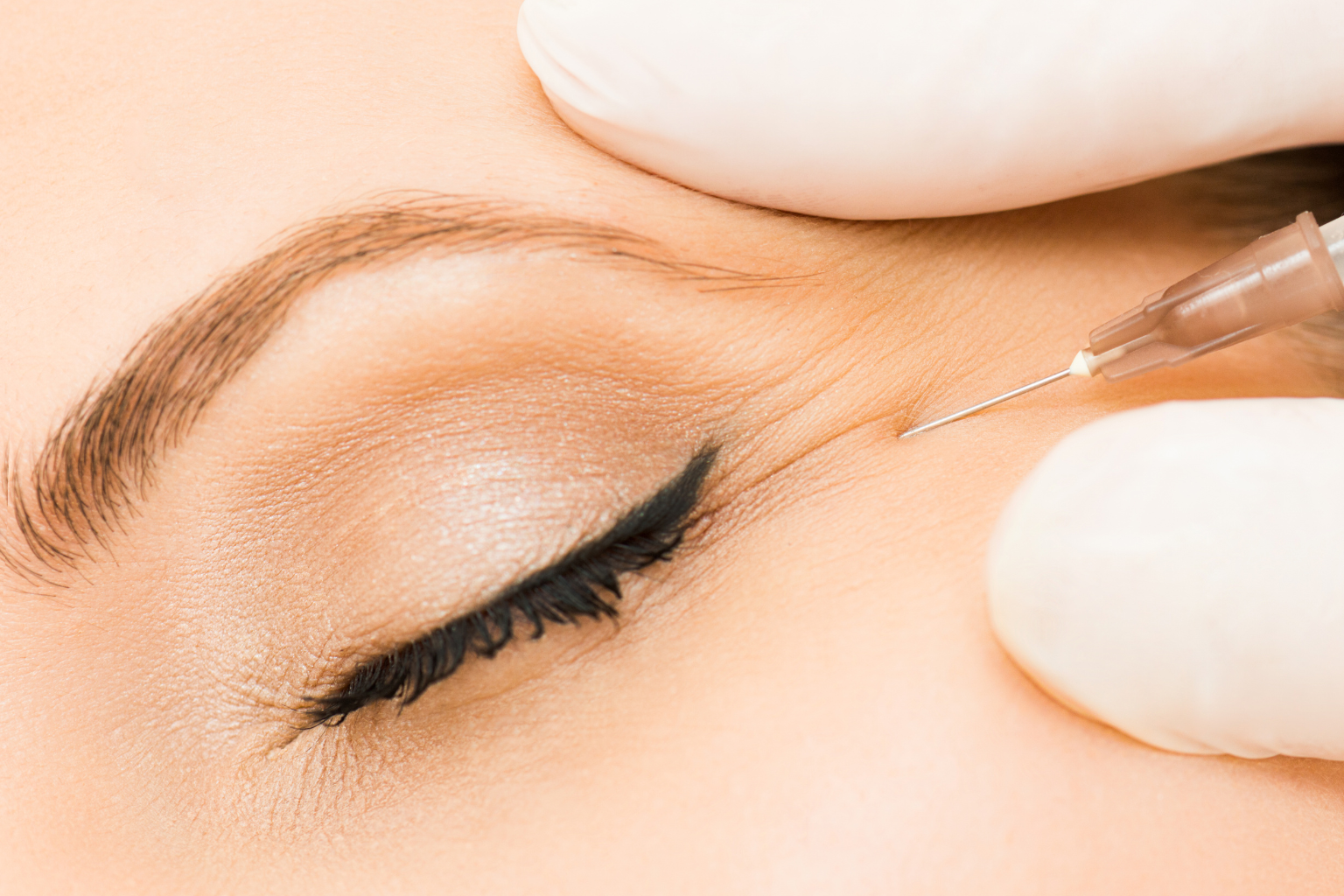
What is crow's feet Botox?
Crow's feet, also known as lateral canthal lines, are the fine lines that fan out from the outer corners of the eyes. They often become noticeable first when you smile, squint, or laugh, and over time, can remain visible even when your face is relaxed.
Botox is the best-known brand name for botulinum toxin type A, a purified protein that temporarily relaxes the small muscle responsible for this movement. According to the NHS, botulinum toxin injections for cosmetic reasons are not available on the NHS and must instead be prescribed and carried out privately by a qualified medical practitioner, such as a doctor, dentist, pharmacist, prescriber, or nurse prescriber.
Crow's feet are one of the most established and well-studied cosmetic uses of botulinum toxin, alongside frown lines between the brows, reflecting decades of clinical use for this specific area, as reported in a peer-reviewed clinical review.
What causes crow's feet?
Crow's feet form mainly through repeated contraction of the orbicularis oculi, the circular muscle that surrounds the eye and activates every time you smile, squint, or laugh. Over the years, this repeated movement gradually creases the thin skin around the eyes.
Sun exposure, smoking, reduced collagen and elastin as skin ages, and genetics can all make these lines more pronounced over time. They are a completely natural part of facial expression and ageing, not a sign that anything is wrong with your skin.
Visit our Bishop's Stortford clinic for a personalised assessment, expert medical advice, and treatment recommendations tailored to your individual needs.

Is crow's feet Botox right for you?
It may be worth booking a consultation to discuss crow's feet Botox if:
- The lines are now visible even when your face is relaxed, not only when you smile or squint
- You want to soften the appearance of the lines without changing your overall expression
- You are not pregnant or breastfeeding, and do not have a neuromuscular condition such as myasthenia gravis
- You want the treatment carried out by a registered, medically qualified practitioner rather than an unregulated provider
Having a cosmetic procedure is a personal decision, and the NHS recommends taking time to research the treatment and ask questions before going ahead. A consultation is the best way to confirm whether crow's feet Botox is suitable for you and to discuss your individual goals.
What to expect during treatment
Crow's feet Botox is a quick, walk-in procedure that does not usually require any anaesthetic.
- Your skin is cleaned and the treatment areas are marked based on your facial movement
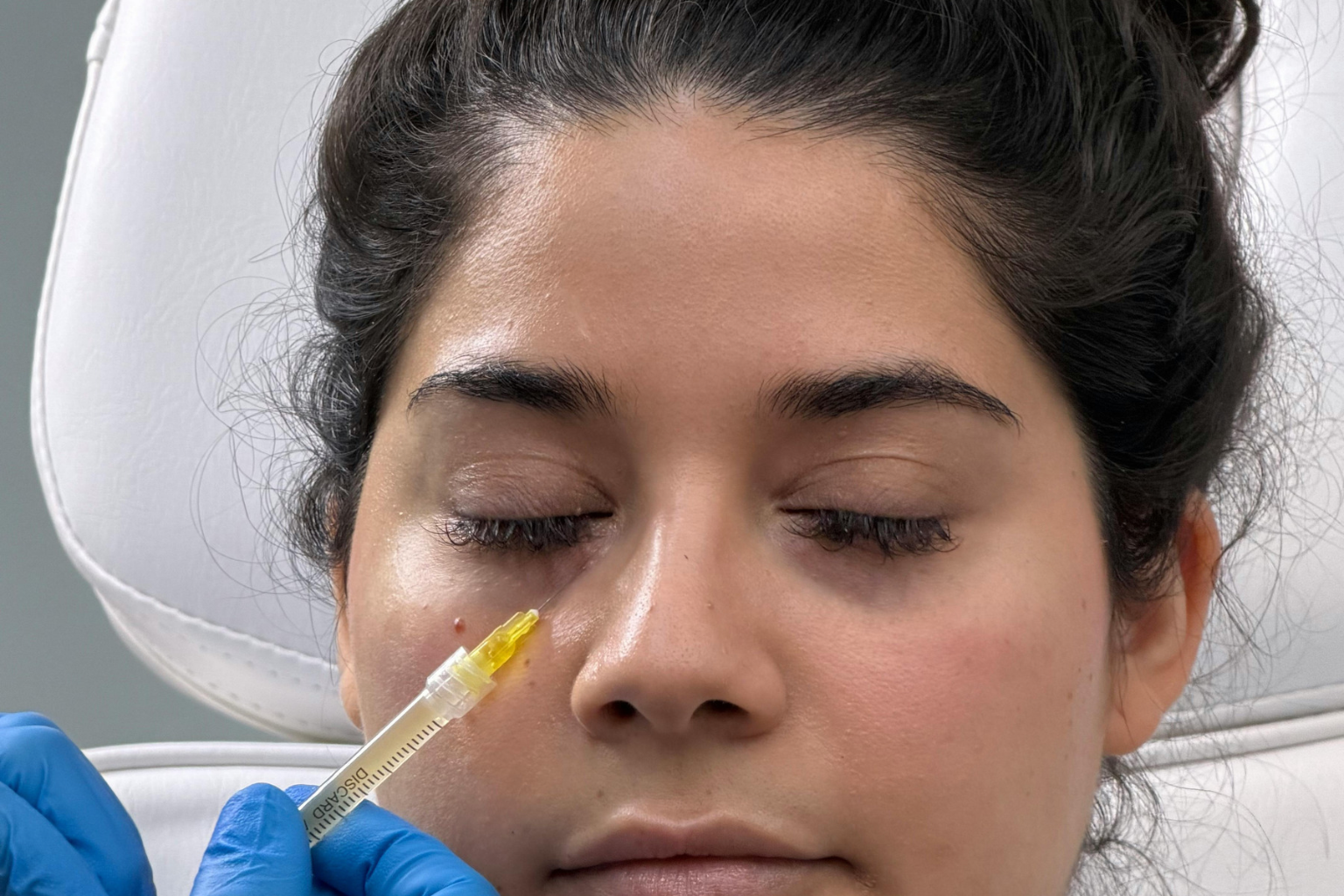
- A very fine needle is used to inject small amounts of botulinum toxin into specific points around the outer eye area
- The appointment itself usually takes around 10 minutes
- You can return to normal activities straight away, with a few short aftercare precautions
Visit our Bishop's Stortford clinic for a personalised assessment, expert medical advice, and treatment recommendations tailored to your individual needs.
How long do results last?
Results are not immediate. The treatment typically begins to take effect within 2 to 3 days, with the full result usually visible after 2 to 3 weeks.
Once developed, the effects of botulinum toxin on crow's feet typically last around three to four months, after which the muscle gradually regains its normal movement and the lines slowly return.
In the days after treatment, it helps to:
- Avoid touching, rubbing, or massaging the treated area for several hours
- Avoid strenuous exercise, sunbathing, sunbeds, and saunas for around 2 days
- Stay upright and avoid lying flat for a few hours after your appointment
How SABA Health Clinic can help
At SABA Health Clinic in Bishop's Stortford, crow's feet Botox is delivered by a CQC-registered, medically led aesthetics team focused on safe, natural-looking results.
- Treatment carried out under the supervision of Dr Asis Behura, Consultant Anaesthetist and Aesthetic Lead
- A thorough consultation to discuss your goals and assess suitability before any treatment
- No GP referral needed to book
- Treatment delivered in a safe, CQC-registered clinical setting using licensed products
- Clear aftercare guidance and follow-up support
Visit our Bishop's Stortford clinic for a personalised assessment, expert medical advice, and treatment recommendations tailored to your individual needs.

.png)







.svg)


