


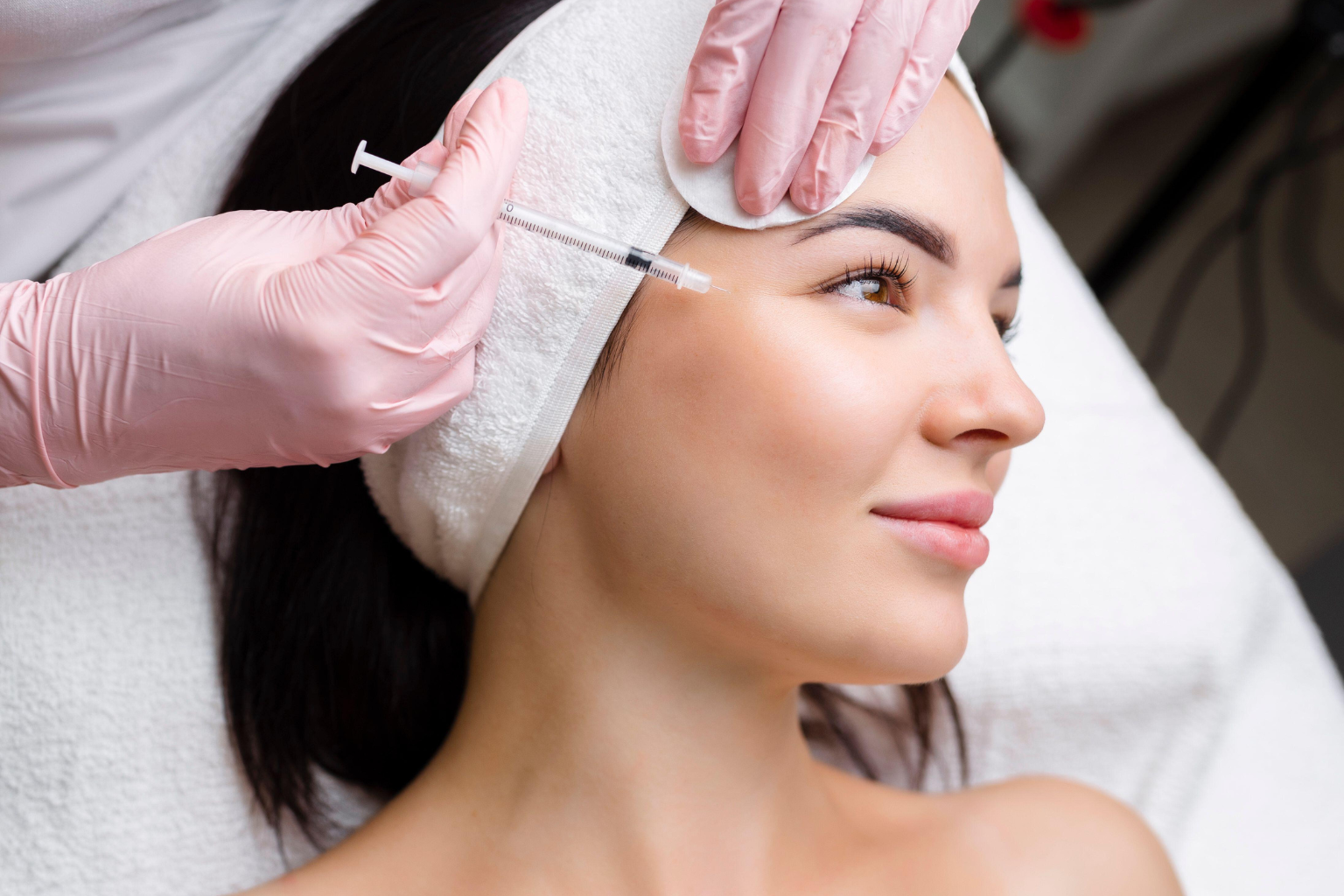
What is Botox, and what does it actually do?
Botox is a brand name for botulinum toxin, a purified protein derived from the bacterium Clostridium botulinum. When injected into specific facial muscles in very small, controlled doses, it temporarily reduces muscle activity, smoothing the appearance of expression lines and wrinkles. Results typically last between three and four months.
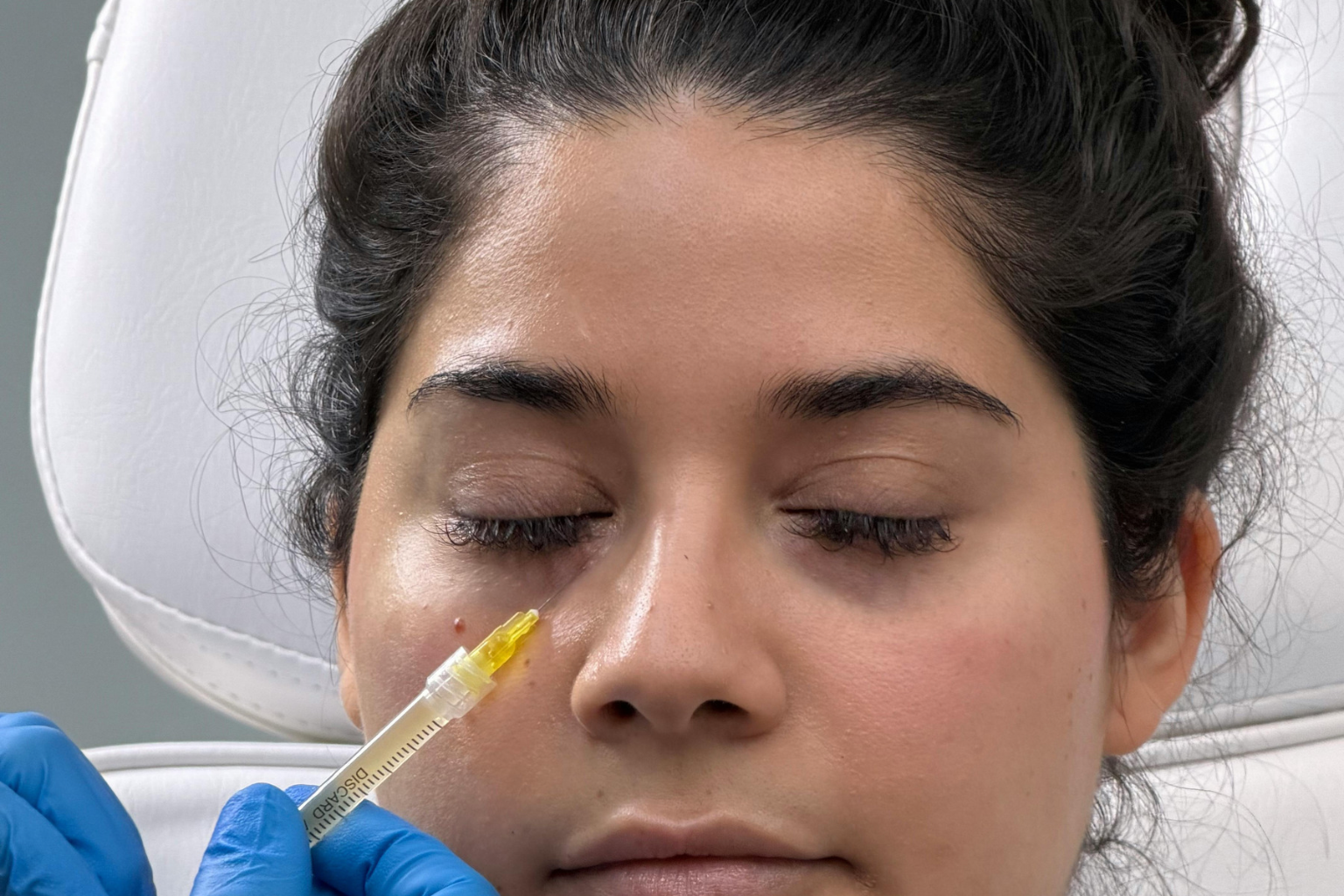
In a cosmetic context, the most common treatment areas are the forehead, the frown lines between the eyebrows, and the crow’s feet around the eyes. At higher doses, it is also used medically to treat conditions such as chronic migraine, excessive sweating, and muscle spasms, which gives a sense of just how well-studied this substance is across medicine.
Because botulinum toxin is a prescription-only medicine in the UK, it can only be legally prescribed after a face-to-face consultation with a qualified medical practitioner, such as a doctor, dentist, pharmacist prescriber, or nurse prescriber. This is an important layer of protection for patients.
Is Botox safe?
Used correctly, Botox has a strong safety profile backed by decades of clinical use. According to the NHS, the risks of botulinum toxin injections are small when performed correctly by a suitably qualified practitioner.
The key phrase there is “suitably qualified.” The safety of the treatment depends heavily on the competence and medical knowledge of the person administering it. A medically trained clinician understands facial anatomy in depth, knows how to avoid complications, and is equipped to manage them if they do occur. This is not something a brief beauty training course can replicate.
In the UK, botulinum toxin is a prescription-only medicine. As the NHS explains, it must be prescribed in a face-to-face consultation with a qualified medical professional before it can be administered. This regulatory requirement exists specifically to protect patients from unqualified practitioners.
Visit our Bishop's Stortford clinic for a personalised assessment, expert medical advice, and treatment recommendations tailored to your individual needs.

What are the common side effects?
Most side effects are mild and temporary. As outlined by the NHS, these can include:
- Temporary redness, swelling, or bruising at the injection site
- A mild headache shortly after treatment, which usually resolves within 24 to 48 hours
- Temporary drooping of the eyelid or eyebrow if the toxin migrates to a nearby muscle, which resolves as the product wears off
- A feeling of tightness or heaviness in the treated area in the first few days
The “frozen” look that many people fear is generally the result of too much product being used or being placed incorrectly. An experienced, medically trained practitioner will assess your anatomy carefully and use an appropriate dose to achieve a natural result.
Common myths about Botox
Myth: Botox is a dangerous toxin that could poison you
The word “toxin” understandably sounds alarming. In cosmetic use, however, botulinum toxin is used in doses that are thousands of times smaller than those that would cause any systemic effect. The substance is highly purified and has been subject to extensive clinical research. Millions of people receive Botox treatments safely every year worldwide.
Myth: Once you start Botox, you cannot stop
This is a persistent myth with no clinical basis. Botox is not permanent, and stopping treatment simply means the muscles gradually return to their normal activity. Some people find that repeated treatments over time lead to softer lines because the muscles weaken slightly with reduced use, but this is a gradual and reversible process. There is no dependency.
Myth: Botox is only for older people
Botox is used across a wide age range. Some patients in their late twenties or thirties use it as a preventive measure to delay the formation of deeper expression lines. Others start later in life. The right approach depends entirely on individual anatomy, goals, and the assessment of a qualified clinician, not on age alone.
Myth: Botox spreads through the body and causes damage elsewhere
When injected correctly into the target muscle, botulinum toxin acts locally. It does not travel through the bloodstream in meaningful amounts at the doses used in cosmetic treatment. The risk of the toxin migrating to unintended nearby muscles is small but real if injections are placed incorrectly, which is exactly why the experience and skill of the practitioner matters so much.
Visit our Bishop's Stortford clinic for a personalised assessment, expert medical advice, and treatment recommendations tailored to your individual needs.
When should you speak to a clinician before having Botox?
A proper consultation before treatment is essential, and you should always insist on one. You should be particularly careful to seek medical advice if:
- You are pregnant or breastfeeding, as Botox is not recommended in either case
- You have a neuromuscular condition such as myasthenia gravis or Lambert-Eaton syndrome
- You are taking certain medications, including blood thinners, that may affect the treatment or increase bruising
- You have had a previous allergic reaction to botulinum toxin or any of its components
- You are feeling emotionally low, anxious about your appearance, or under pressure from others to have the procedure
A responsible practitioner will cover all of this during your consultation and will not proceed if they have any concerns about your suitability. As the NHS advises, taking time to reflect and asking questions before committing is always the right approach.
How SABA Health Clinic can help
At SABA Health Clinic in Bishop’s Stortford, all aesthetic treatments are led by medically qualified clinicians in a safe, clinical environment.
- Doctor-led Botox and anti-wrinkle treatments administered by a Consultant Anaesthetist with a safety-first approach
- A thorough pre-treatment consultation to assess your suitability, discuss your goals, and answer your questions
- Same-week appointments with no GP referral needed
- Personalised treatment plans tailored to your facial anatomy and aesthetic goals
- Transparent pricing with no hidden costs
Visit our Bishop's Stortford clinic for a personalised assessment, expert medical advice, and treatment recommendations tailored to your individual needs.

.png)







.svg)


