


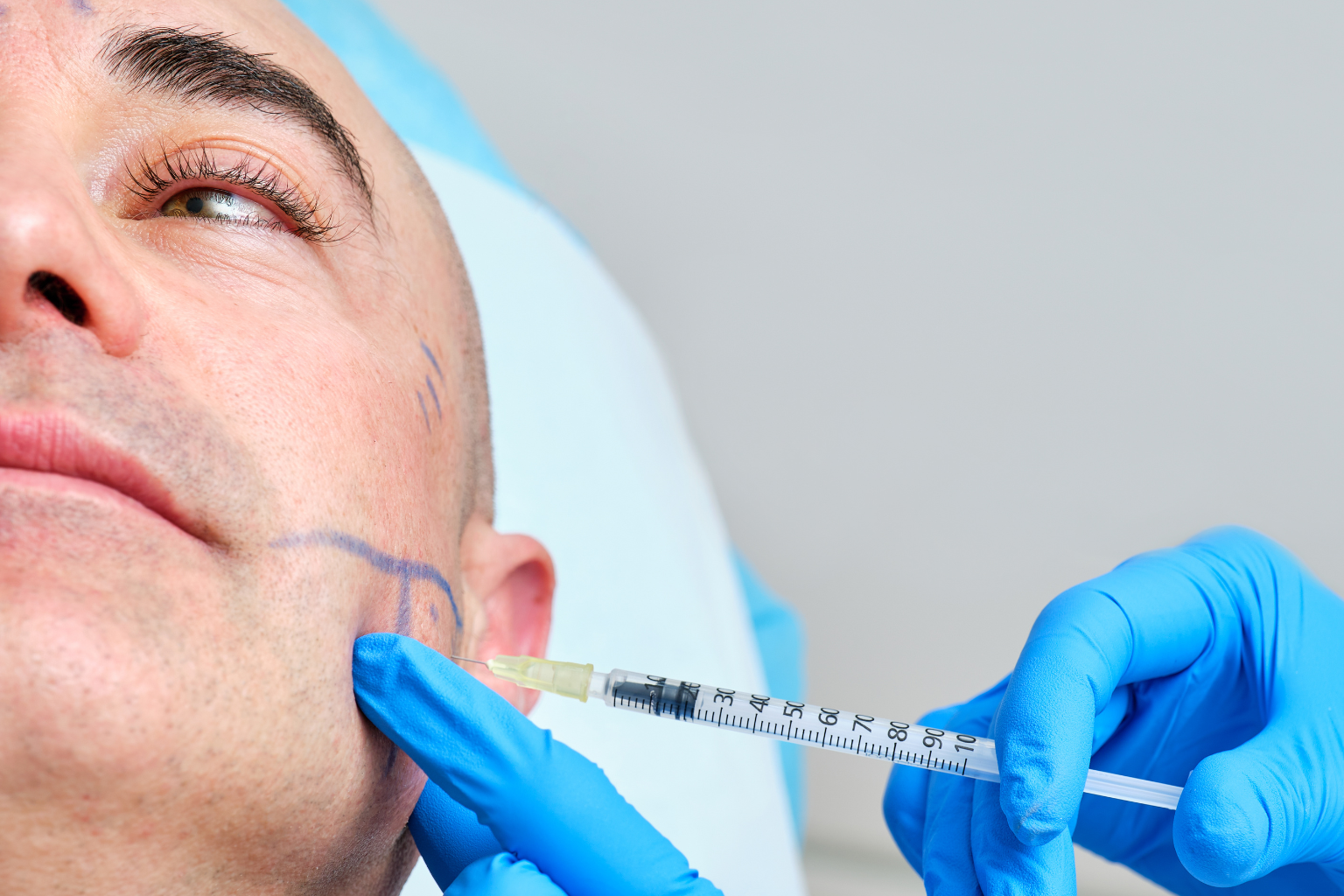
What is masseter Botox and how does it help with bruxism?
Bruxism is the medical term for grinding, clenching or gnashing the teeth, and it can happen without you ever being fully aware of it. According to the NHS, teeth grinding is often related to stress or anxiety and can occur either while you are awake or during sleep.
Masseter Botox involves injecting botulinum toxin into the masseter, the large muscle at the angle of the jaw that powers chewing. By reducing the strength of this muscle's contractions, the treatment can ease the force behind grinding and clenching.
A peer-reviewed clinical study found that botulinum toxin injection into the masseter muscle significantly reduced pain and bite force, and improved mouth opening, in patients with bruxism.
It is a non-surgical, prescription-only medical treatment, and one that should only be carried out by a suitably qualified and experienced clinician following a full assessment.
What are the signs of bruxism?
Because grinding often happens during sleep, many people only notice a problem once symptoms build up. As reported by Leeds Teaching Hospitals NHS Trust, common signs of bruxism include:
- A painful, tight or tired jaw, especially first thing in the morning
- Headaches, particularly around the temples
- Worn-down, chipped or loosened teeth
- Increased tooth sensitivity
- A partner mentioning grinding noises during the night
- Clicking or discomfort in the jaw joint
These signs often build up gradually, which is why many people live with bruxism for years before recognising the pattern.
Visit our Bishop's Stortford clinic for a personalised assessment, expert medical advice, and treatment recommendations tailored to your individual needs.

What causes bruxism?
The exact cause of teeth grinding is not always clear. The NHS notes that it is commonly linked to stress and anxiety, and can also be associated with certain medications, smoking, alcohol, and recreational drug use. Some people grind their teeth as a subconscious response to daily tension, without ever feeling consciously stressed.
Whatever the underlying cause, the physical result is often the same: repeated, forceful contraction of the jaw muscles that can wear down teeth and create ongoing discomfort over time.
The reassuring part is that bruxism, and the muscle tension it creates, can usually be managed effectively once it has been properly assessed.
When should you see a doctor?
Not every instance of teeth grinding needs treatment. It may be worth seeking advice if:
- You are waking with jaw pain, headaches, or facial tightness on a regular basis
- A partner or family member has mentioned hearing you grind your teeth at night
- You have noticed visible wear, chipping, or sensitivity in your teeth
- Mouth guards or splints have not resolved your symptoms
- Jaw clenching is affecting your day-to-day comfort or sleep
A proper assessment can help identify whether masseter Botox, or another approach, is the right option for you.
Visit our Bishop's Stortford clinic for a personalised assessment, expert medical advice, and treatment recommendations tailored to your individual needs.
How SABA Health Clinic can help
At SABA Health Clinic in Bishop's Stortford, all aesthetic treatments are led by medically qualified clinicians in a safe, clinical environment.
- Masseter Botox treatment for bruxism and jaw tension, tailored to your individual anatomy
- Same-week appointments with no GP referral needed
- A full consultation to assess suitability before any treatment is carried out
- Every treatment is prescribed and administered by an authorised clinician, in line with prescription-only medicine requirements
- Clear guidance on what to expect, including realistic timelines for results
Visit our Bishop's Stortford clinic for a personalised assessment, expert medical advice, and treatment recommendations tailored to your individual needs.

.png)







.svg)


