


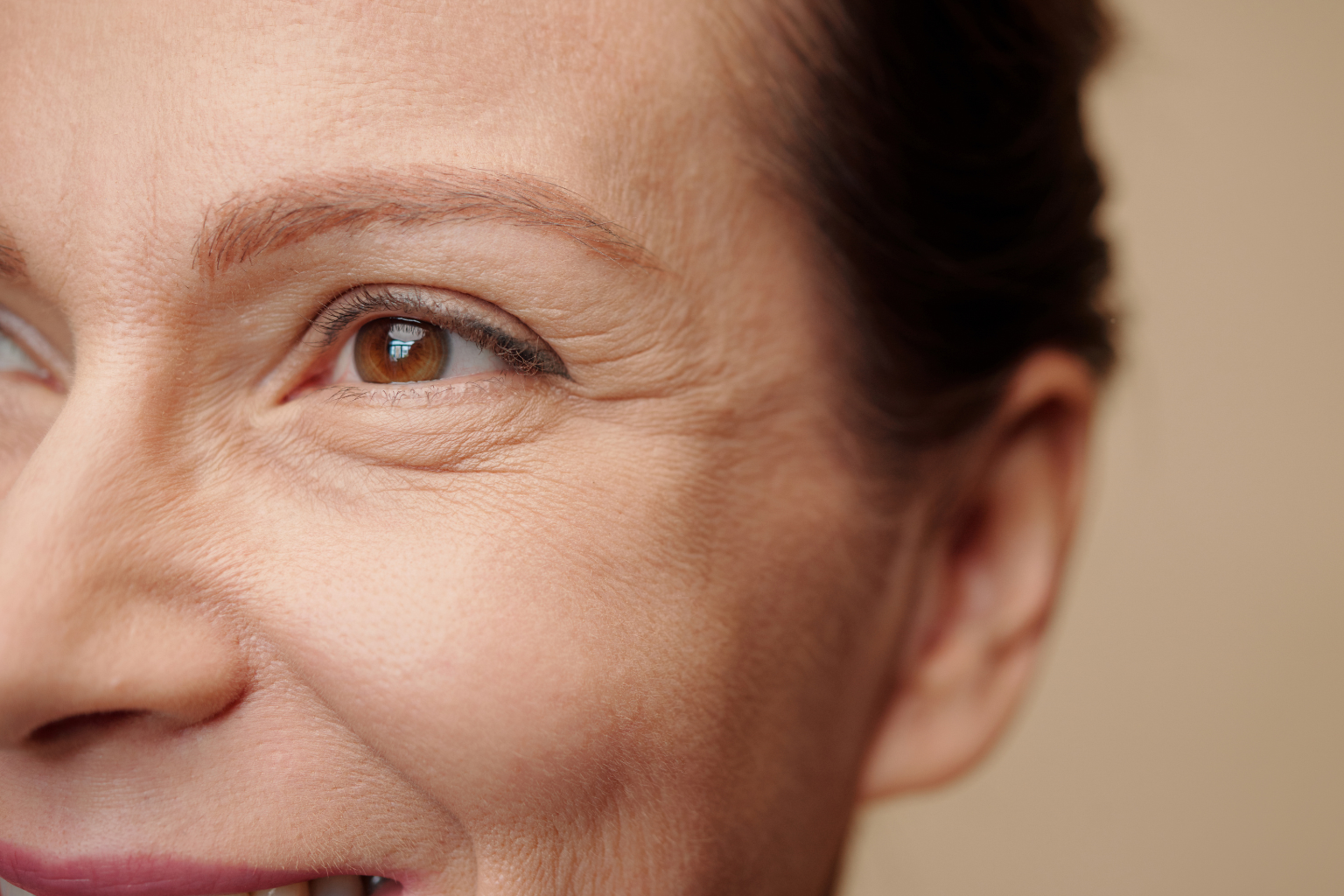
What are expression lines and static lines?
Wrinkles broadly fall into two categories depending on how they form. Expression lines (also called dynamic lines) develop as a direct result of repeated muscle movement. Every time you smile, frown, squint, or raise your eyebrows, the underlying facial muscles contract and pull the overlying skin into folds. Over the years, those folds leave a trace even after your face relaxes.
Static lines are different. These are the wrinkles and creases that remain visible on your face even when your muscles are completely at rest. They are caused by the gradual loss of collagen and elastin in the skin, reduced volume in the face, and the cumulative effects of sun exposure and other environmental factors over time.
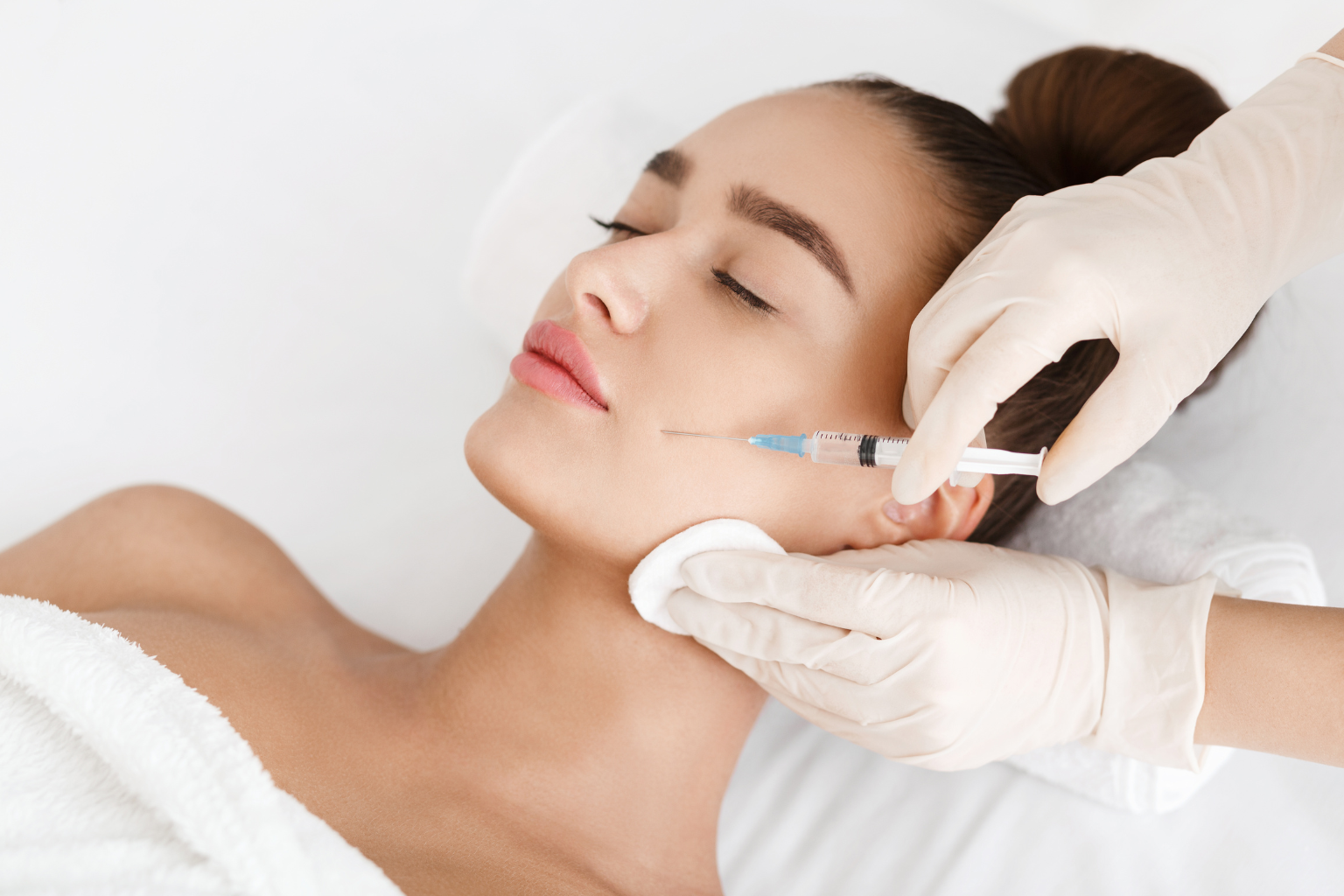
According to the NHS, botulinum toxin injections work by temporarily relaxing specific facial muscles. This is exactly why the distinction between the two types matters so much before any treatment decision is made.
A common misconception is that Botox softens all facial lines regardless of how they formed. In practice, its mechanism of action targets the muscle, not the skin itself, which means the two types of wrinkles respond to it in very different ways.
Which wrinkles does Botox actually treat?
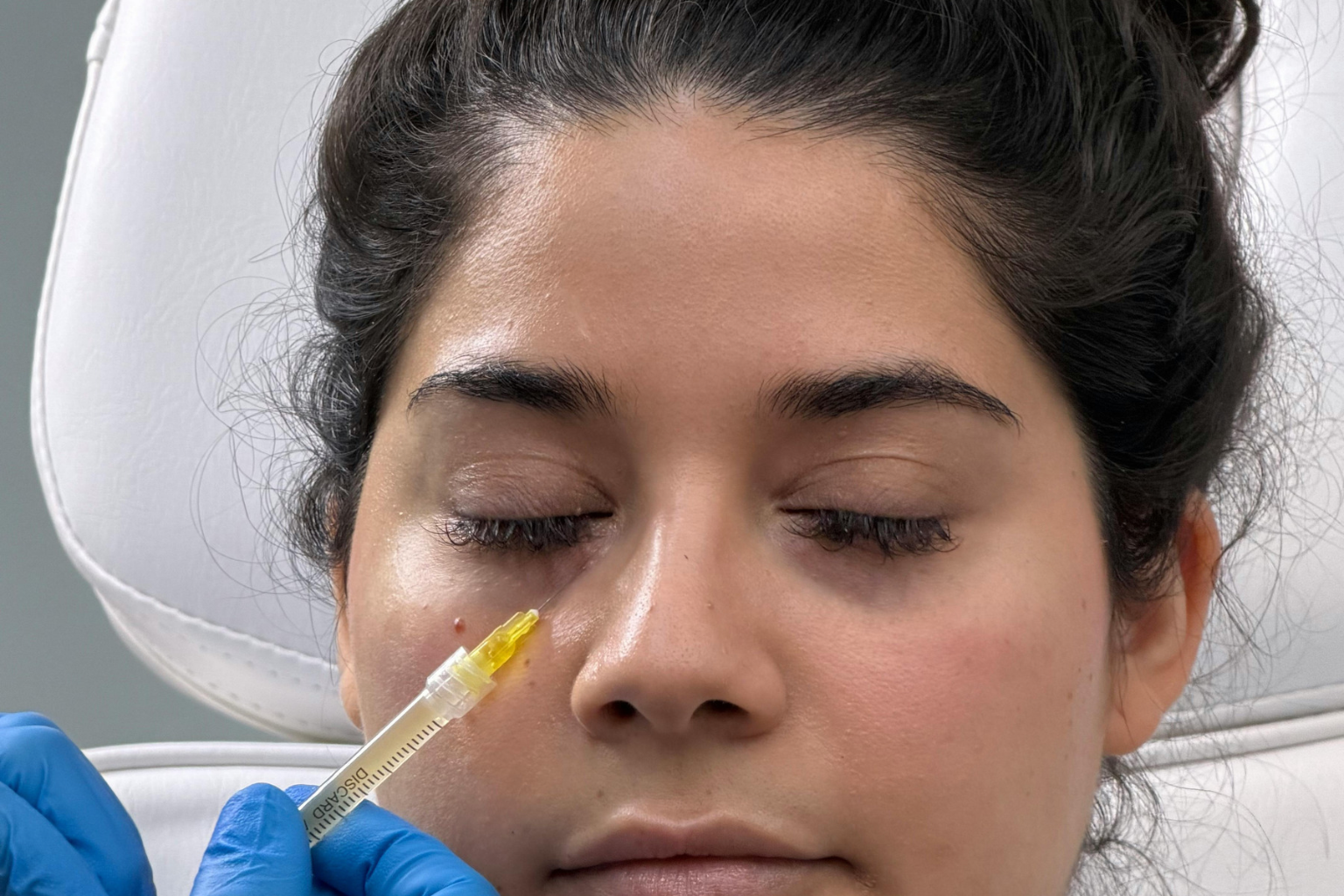
Botox is most effective on expression lines. When the muscle responsible for a line is temporarily relaxed, the skin above it is no longer being pulled into a crease repeatedly, and the line softens or disappears. According to a clinical review published via the National Library of Medicine, botulinum toxin type A has a well-established evidence base for reducing the appearance of dynamic wrinkles in the upper face, and results are typically visible within two to three weeks of treatment.
The areas most commonly and successfully treated with Botox include:
- Frown lines between the eyebrows (glabellar lines), caused by repeated furrowing
- Forehead lines, formed by raising the eyebrows over many years
- Crow's feet at the outer corners of the eyes, from squinting and smiling
- Bunny lines across the nose, from repeated scrunching
- A lip flip or smoker's lines, where small amounts relax the muscle around the mouth
These are all areas where a specific muscle contraction is responsible for creating and deepening the line. When that muscle is quietened, the skin above it can rest and the crease reduces.
Visit our Bishop's Stortford clinic for a personalised assessment, expert medical advice, and treatment recommendations tailored to your individual needs.

What about static lines? Can Botox help those too?
Static lines are less straightforward. Because they are not driven by muscle movement but by skin laxity and volume loss, relaxing the muscle does not directly address what is causing them. A deeply set nasolabial fold (the lines that run from the nose to the corners of the mouth) or marionette lines around the jawline will not respond to Botox in the same way as an expression line will.
That said, Botox can still play a supporting role. In some patients, early static lines that were originally expression lines may partially soften when the underlying muscle is relaxed, particularly if the skin still retains reasonable elasticity.
Preventing an expression line from deepening further into a static one is also a reason many patients begin Botox in their late twenties or thirties, before lines become set at rest.
For more established static lines, dermal fillers tend to be the more appropriate treatment. Fillers work by restoring volume beneath the skin rather than relaxing muscle, which is the mechanism better suited to lines that are present regardless of movement. In many cases, a combination approach using both Botox and fillers gives the most natural result.
How long do results typically last?
The NHS advises that the effects of botulinum toxin injections usually last around three to four months, after which muscle activity gradually returns and lines may begin to reappear. Many patients choose to maintain their results with repeat treatments at this interval.
With regular treatment over time, some patients find that expression lines soften further between appointments. This happens because the treated muscles become less active with repeated use, and the overlying skin has more opportunity to recover. This is not the same for everyone, and results depend on individual facial anatomy, the depth of existing lines, and the quality of the skin overall.
Visit our Bishop's Stortford clinic for a personalised assessment, expert medical advice, and treatment recommendations tailored to your individual needs.
When is it worth speaking to a specialist?
It is worth booking a consultation if any of the following apply to you:
- You have expression lines on your forehead, between your brows, or around your eyes that bother you at rest or during movement
- You are unsure whether your lines are expression-related or structural, and want a clear clinical assessment before committing to treatment
- You have had Botox before but felt the results did not fully address your concerns, and you want to understand why
- You are considering a combined approach using both Botox and fillers and want advice on what would suit your face specifically
- You are thinking about starting treatment preventatively and want guidance on timing
A consultation with an experienced medical professional is always the right starting point. The difference between expression lines and static lines is not always obvious from photographs or mirrors alone, and a trained eye looking at your face in movement is the most reliable guide to what treatment is most likely to help.
How SABA Health Clinic can help
At SABA Health Clinic in Bishop's Stortford, our medical aesthetics team offers doctor-led Botox consultations to help you understand exactly which lines will respond to treatment and how.
- A full facial assessment to distinguish expression lines from static lines before any treatment is recommended
- Doctor-led Botox injections using a precise, anatomy-specific technique for natural-looking results
- Guidance on whether a single treatment or a combined approach, including dermal fillers, is most appropriate for your concerns
- Same-day or next-day appointments with no GP referral needed
- A private, unhurried consultation where your questions are answered clearly before anything is agreed
Visit our Bishop's Stortford clinic for a personalised assessment, expert medical advice, and treatment recommendations tailored to your individual needs.

.png)







.svg)


