



What is Botox and how does it work?
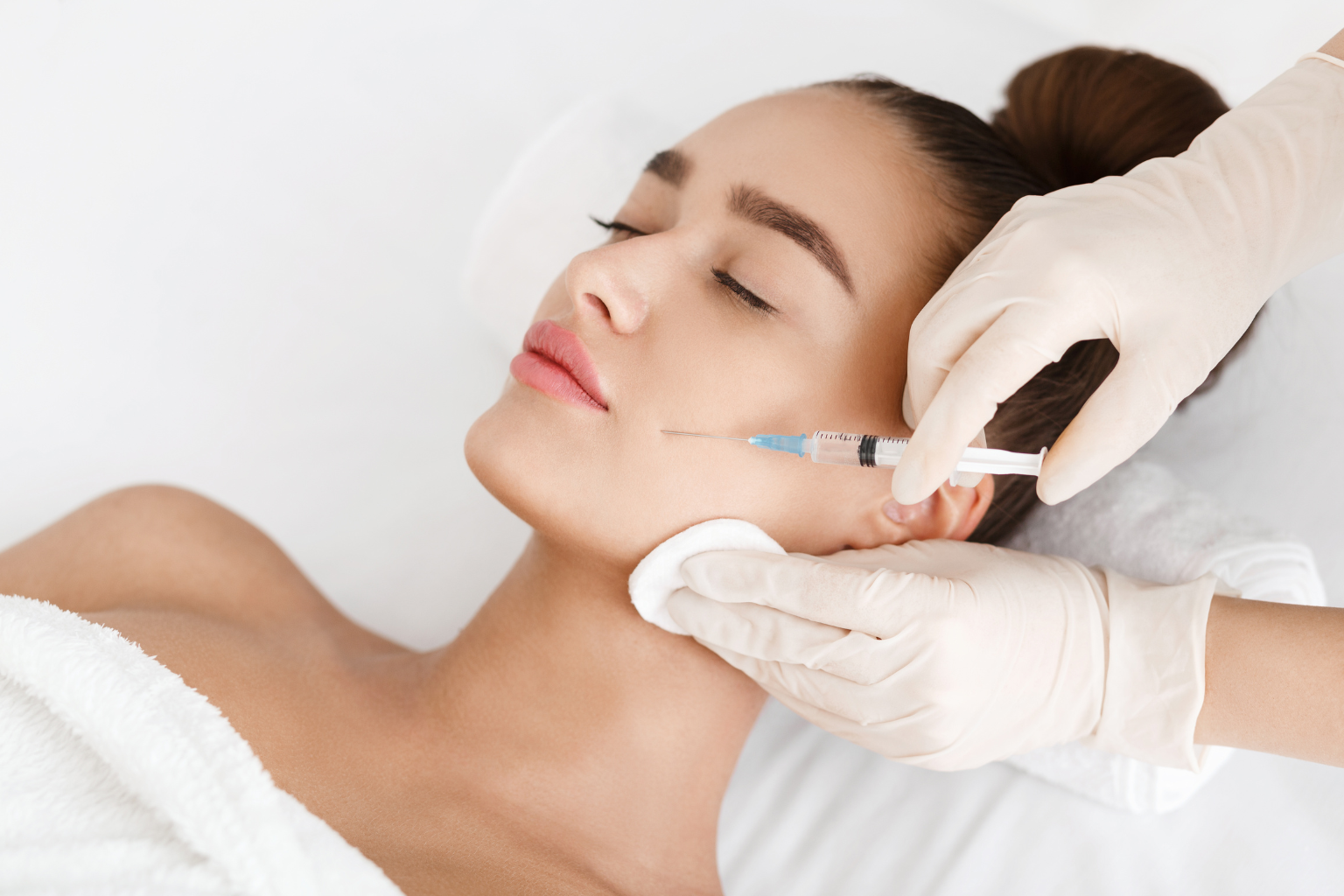
Botox is the well-known brand name for botulinum toxin type A, a prescription-only medicine that temporarily relaxes targeted facial muscles to smooth out lines and wrinkles such as crow's feet and frown lines.
According to the NHS, the results typically last around three to four months. If you choose to have treatment again, you should wait at least three months between sessions, and it may stop working if used too often. These are important clinical boundaries, not just general guidelines.
It is also worth knowing that in the UK, botulinum toxin is a prescription-only medicine. This means it can only be prescribed by a qualified healthcare professional such as a doctor, dentist, or prescribing nurse, and only after a face-to-face consultation. This is an important safeguard to understand before booking with any practitioner.
Visit our Bishop's Stortford clinic for a personalised assessment, expert medical advice, and treatment recommendations tailored to your individual needs.

How does skin change in your 40s and 50s?
Understanding why your treatment approach may need to evolve with age starts with understanding what is actually happening to your skin. The National Institute on Aging explains that age-related changes, such as a loss of elastic fibres and collagen, cause the skin to look older, develop wrinkles, and become more fragile. Hormonal changes, such as those that occur with menopause, can also cause the skin to become thinner and drier.
In your 40s and 50s, these changes often arrive together. Collagen and elastin production slows, reducing the skin's ability to bounce back from expression lines. Natural facial fat redistributes, and the underlying bone structure gradually shifts. Hormonal changes during perimenopause and menopause accelerate moisture loss and reduce skin thickness further, meaning that lines can appear deeper and more established than they did a decade earlier.
This matters for Botox treatment because deeper, more established lines respond differently than the finer, more superficial lines typical of younger skin. A practitioner who understands how facial ageing works in this age group will adapt both the areas treated and the technique accordingly.
How often should you get Botox in your 40s and 50s?
For most people in this age group, three to four treatment sessions per year continues to work well and stays within the clinical guidance on minimum intervals. However, several factors specific to this stage of life can shift that picture:
- Deeper lines may need a longer settling period after initial treatment before the full effect is clear, which can affect when you are ready for your next session.
- Some people find that results last slightly longer as muscles that have been treated consistently over many years develop reduced activity and require less frequent top-ups.
- Others notice results wearing off slightly faster due to changes in skin metabolism associated with hormonal shifts during perimenopause.
- New areas of concern may emerge as structural changes in the face create different treatment priorities from one year to the next.
The right answer depends on your skin, your goals, and your clinical history. A good practitioner will assess all of these at consultation rather than applying a single formula to every patient.
Visit our Bishop's Stortford clinic for a personalised assessment, expert medical advice, and treatment recommendations tailored to your individual needs.
Signs it may be time to review your treatment plan
Not everything that changes with age calls for more frequent treatment. But these signs suggest it may be worth booking a fresh clinical assessment:
- Lines that previously responded well are now returning more quickly, or not fully smoothing out even at peak effect.
- You are noticing changes in areas that anti-wrinkle injections do not address, such as volume loss in the cheeks or deepening folds around the mouth, which may need a different approach entirely.
- Your results feel less natural or you feel your current treatment is no longer aligned with how your face has changed over time.
- You have not had a full clinical review of your treatment plan in more than a year.
It is also worth knowing that combining anti-wrinkle injections with other treatments such as skin boosters or microneedling can support better overall results in this age group without simply increasing the frequency of Botox sessions.
When should you speak to a specialist?
It is worth seeking a specialist review rather than simply re-booking routine treatment if:
- Your results have changed noticeably and you are not sure why.
- You are considering a new area of treatment for the first time.
- You are going through perimenopause or menopause, as hormonal changes can significantly affect how your skin responds to treatment.
- You have any new health conditions, are taking new medications, or are pregnant or breastfeeding.
- You have had treatment elsewhere and would like a fresh clinical opinion on your current plan.
A specialist consultation is not simply about deciding whether to proceed. It is an opportunity to make sure your current approach is still the best one for where your skin is now.
How SABA Health Clinic can help
At SABA Health Clinic in Bishop's Stortford, our Medical Aesthetics service is led by doctor-level clinicians with a safety-first approach to age-appropriate treatment.
- Anti-wrinkle injections for forehead lines, frown lines, crow's feet, and more, delivered by experienced medical practitioners
- Comprehensive skin consultation to assess your face as a whole and recommend a plan aligned with your age and goals
- Complementary treatments, including microneedling, skin boosters, and dermal fillers, to address volume and texture changes alongside anti-wrinkle treatment
- Same-week appointments with no GP referral needed
- A clinical environment where your safety and natural results always come first
Visit our Bishop's Stortford clinic for a personalised assessment, expert medical advice, and treatment recommendations tailored to your individual needs.

.png)








.svg)


