


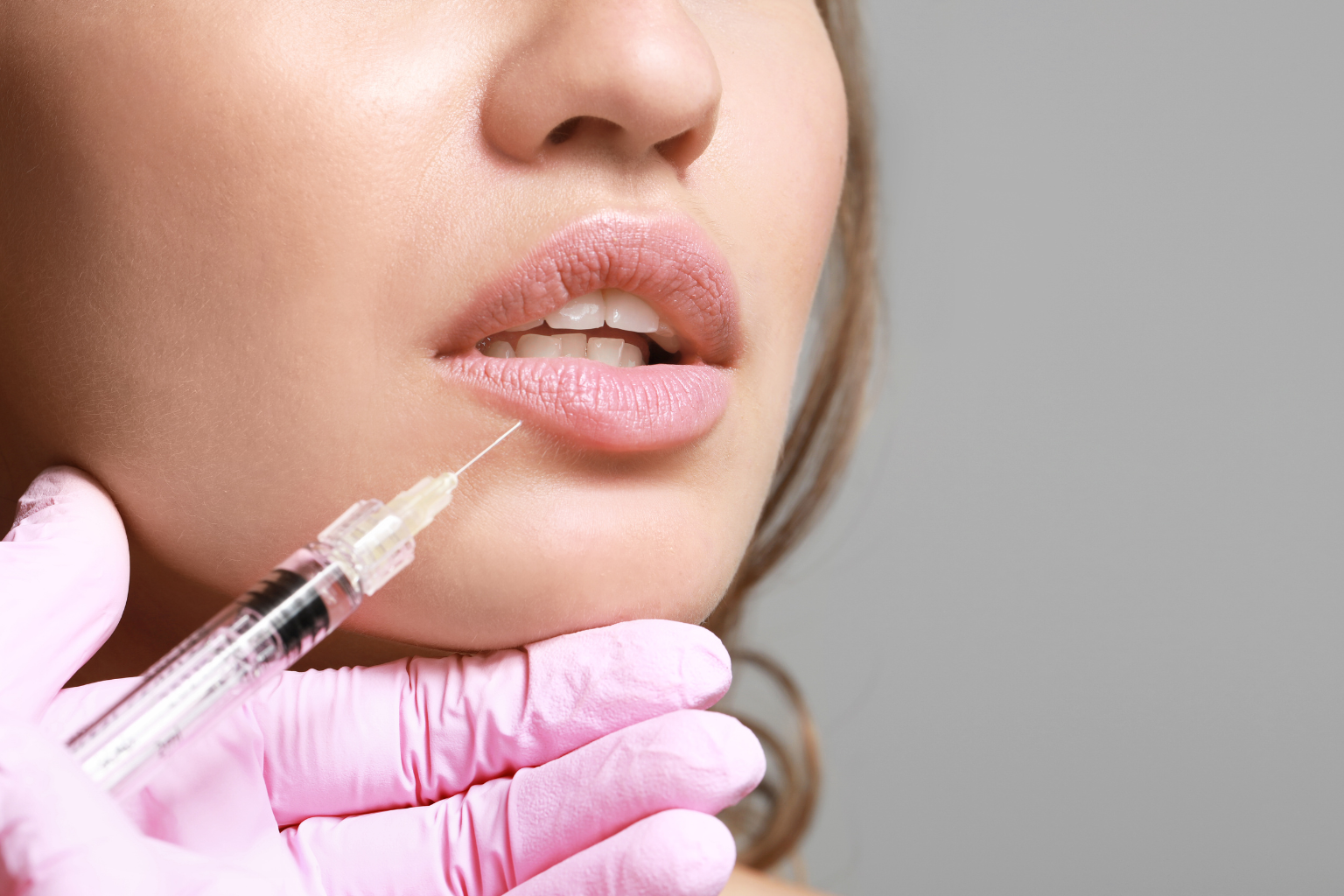
What is lip filler and why do side effects happen?
Lip filler is a hyaluronic acid gel injected into the lips to add volume, shape or definition.
The lips are a delicate area with a rich blood supply and a lot of nerve endings packed into a small space. This is part of why even a straightforward treatment can cause a visible reaction in the days that follow.
Before booking any injectable treatment, the NHS advises choosing a qualified, experienced practitioner and understanding what could go wrong before you go ahead. This matters just as much for a small, popular treatment like lip filler as it does for anything more invasive.
If you are still deciding between a subtle enhancement and something longer lasting, it may help to read our comparison of lip flip and lip filler before booking.
What's normal after lip filler?
Most reactions after lip filler are part of the lips settling into their new shape, and they resolve on their own within one to two weeks.
Swelling
Swelling is the most common reaction and is usually at its worst in the first 24 to 48 hours.
- Lips may look noticeably larger or uneven than the final result
- Swelling can make lips feel tight or slightly stiff
- Most swelling has settled significantly by day 3 to 5, with final results visible from around day 14
Bruising
Bruising happens when a small blood vessel is disturbed during injection, and it is a normal part of the healing process rather than a sign anything has gone wrong.
- Bruises typically appear within a day of treatment
- Colour can range from pink to purple to yellow-green as it fades
- Most bruising clears within 5 to 7 days, though some people take slightly longer
Tenderness and asymmetry
Some tenderness or firmness is expected in the days after treatment, and it is common for one side of the lips to look slightly fuller than the other while swelling is still settling.
- Mild asymmetry in the first week is usually swelling, not a sign of uneven filler placement
- Tenderness typically eases within a few days
- Lumps or firm areas felt under the skin often soften as the filler integrates and swelling reduces
Book a check at our Bishop's Stortford clinic so a doctor can look at your reaction directly instead of guessing.

What's not normal, signs to watch for
Serious complications from lip filler are rare, but understanding them helps you recognise the difference between a normal reaction and something that needs urgent attention.
Signs of reduced blood flow
A review of dermal filler complications published in the journal Diagnostics highlights vascular complications, where filler affects blood flow to the tissue, as a rare but serious risk of any filler treatment.
- Skin that turns unusually pale, white or mottled shortly after injection
- Pain that is much more severe than expected, or that gets worse rather than better
- Skin that turns a dusky blue or purple colour in the hours after treatment
Published clinical guidance on managing these reactions is clear that early recognition and prompt treatment make a significant difference to the outcome, which is why any of these signs should be reported to your clinician straight away rather than waiting to see if they settle.
Signs of infection
- Increasing redness, warmth or swelling more than a few days after treatment
- Pus or discharge from an injection point
- Fever or feeling generally unwell alongside lip symptoms
Other signs to flag
- Firm lumps that do not soften over several weeks
- An allergic reaction such as widespread swelling, hives or difficulty breathing, which needs emergency care
- Any visual changes, which should be treated as a medical emergency
Book a check at our Bishop's Stortford clinic so a doctor can look at your reaction directly instead of guessing.
When should you seek help?
Most side effects settle with time and simple aftercare, but certain symptoms should never be left to see how they go.
- Contact your clinician promptly if pain, swelling or discolouration is getting worse rather than better after the first two days
- Seek urgent medical attention for skin that turns pale, mottled or dusky, or for any change in vision
- Call your clinician if you notice signs of infection, such as increasing warmth, redness or discharge
- Go to A&E for any signs of a severe allergic reaction, including difficulty breathing or facial swelling beyond the treated area
If in doubt, it is always better to check in with your clinician than to wait it out.
How SABA Health Clinic can help
Every filler treatment carries some risk, which is why medically-led care and prompt access to support matter as much as the treatment itself.
- Consultations and treatments led by a doctor with an anaesthetic and pain medicine background
- Same-week appointments with no GP referral needed
- Hyaluronidase available on-site to dissolve filler quickly if it is ever needed
- Clear aftercare guidance and follow-up support if you have any concerns after treatment
Book a check at our Bishop's Stortford clinic so a doctor can look at your reaction directly instead of guessing.

.png)






.svg)


