

Why bruising happens after lip filler
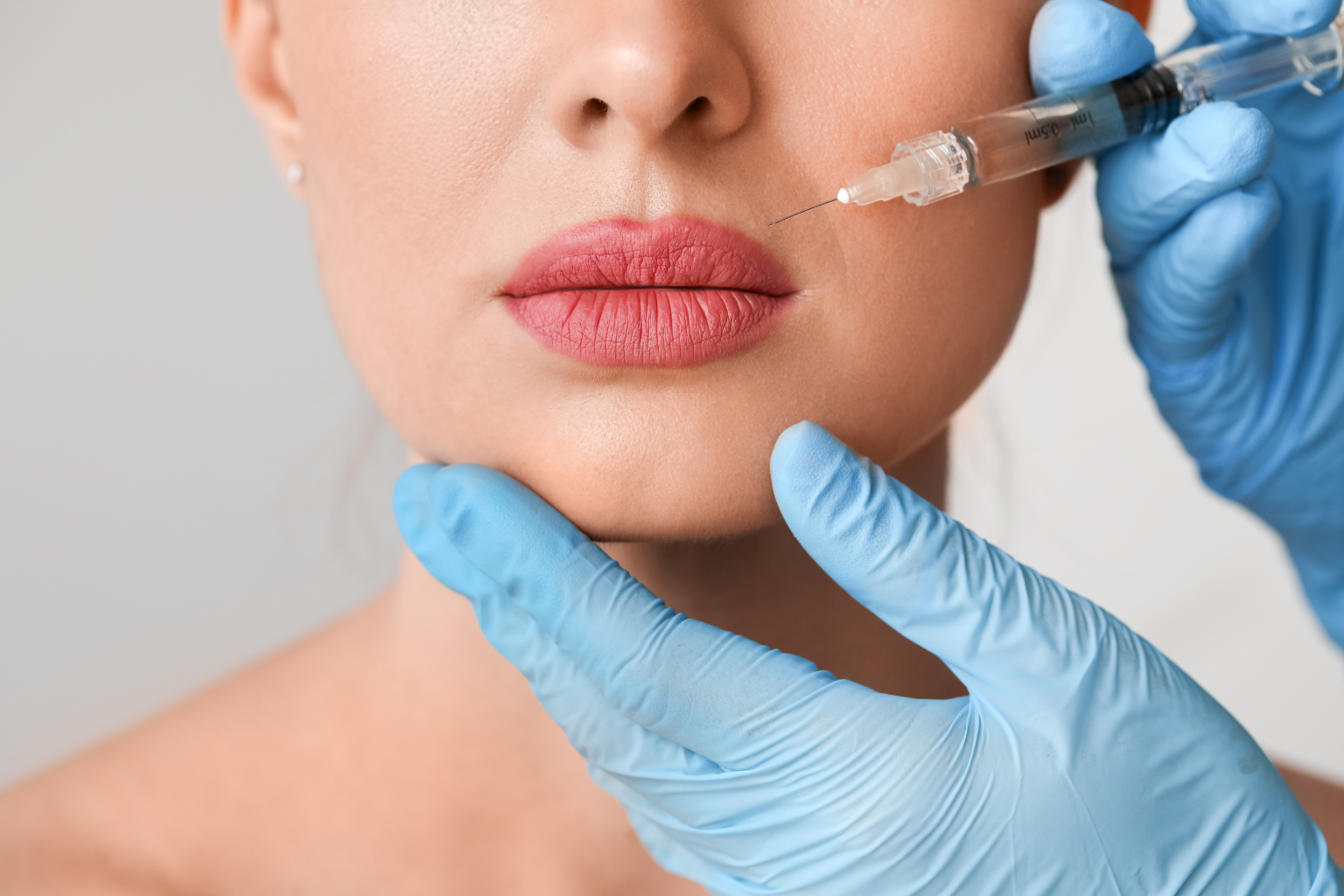
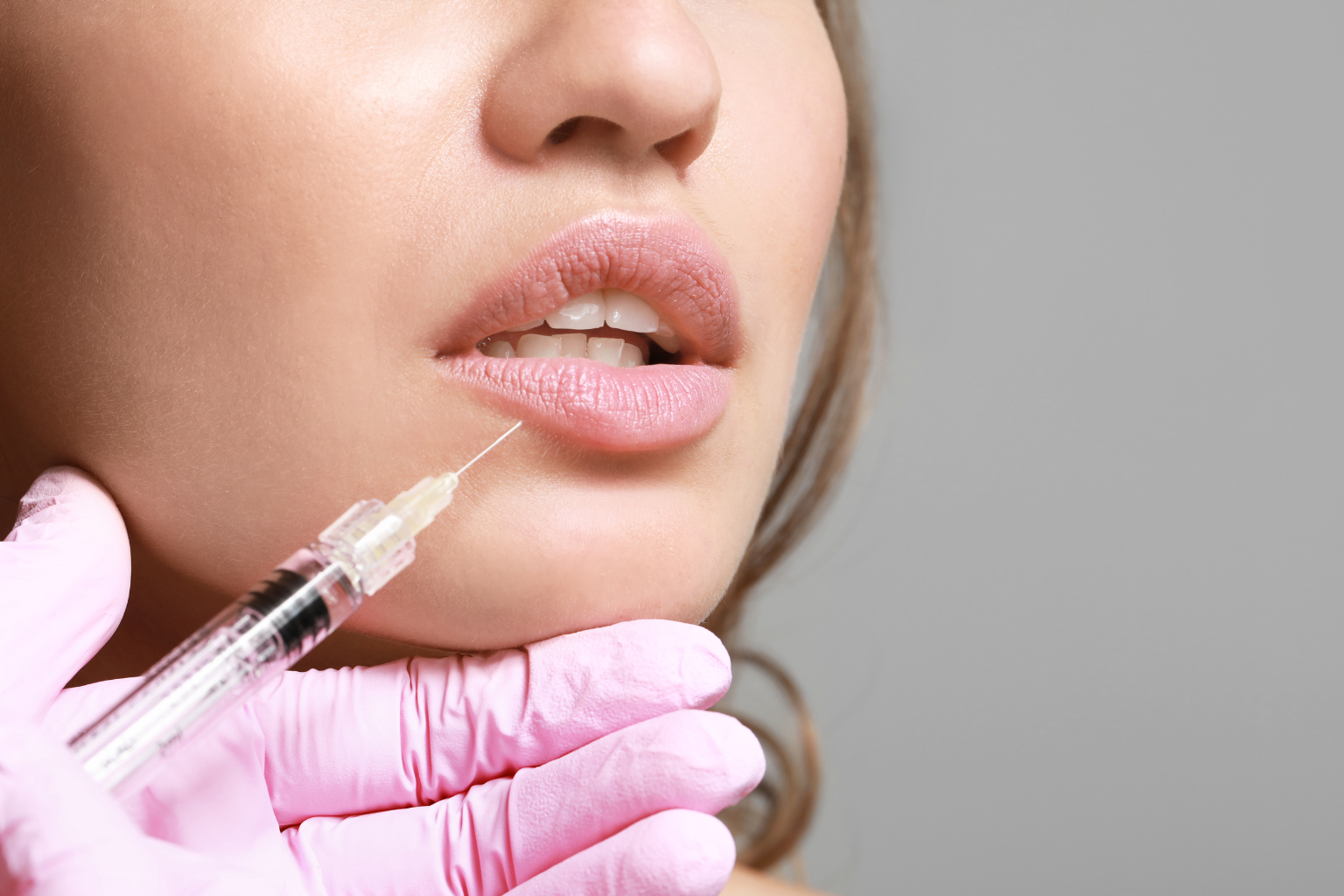
Bruising happens when the needle used for lip filler disturbs one of the many small blood vessels beneath the skin. The lips have an especially rich blood supply in a very small area, which is part of why even a straightforward treatment can leave a visible mark.
This does not mean anything has gone wrong. According to the NHS, understanding what to expect from a cosmetic procedure beforehand helps you feel more prepared for normal side effects like bruising.
Reducing bruising before your treatment
A surprising amount of bruising prevention happens before you even arrive at the clinic.
- Avoid blood thinning medication or supplements such as aspirin, ibuprofen, fish oil and vitamin E in the days beforehand, where it is medically safe to do so
- Avoid alcohol for at least 24 hours before your appointment, as it has a similar thinning effect on the blood
- Consider avoiding treatment in the days immediately around your period, when some people notice they bruise more easily
- Choose an experienced, medically trained injector who understands facial anatomy and vessel placement
Book a review at our Bishop's Stortford clinic and we'll check whether your bruising is healing as it should.

The first 24 to 48 hours after treatment
The first two days make the biggest difference to how much a bruise develops and how quickly it settles.
A cold compress applied in short bursts is one of the most effective things you can do, as long as you always use a barrier such as a clean cloth between the ice and your skin.
Keeping your head elevated, including while you sleep, helps too, rather than lying completely flat. It is also worth avoiding strenuous exercise, saunas, hot baths and steam rooms in this window, since heat encourages blood flow to the area and can make bruising more noticeable.
Try to resist touching or pressing on your lips more than necessary while they settle.
Supporting your recovery after the first two days
Once the initial swelling has settled, recovery is mostly about patience rather than active intervention.
Continuing to avoid blood thinning medication and alcohol until the bruise has faded will still help. Some people use arnica gel or tablets during this stage, although the evidence for how well it works is mixed, so it is worth treating it as optional rather than essential.
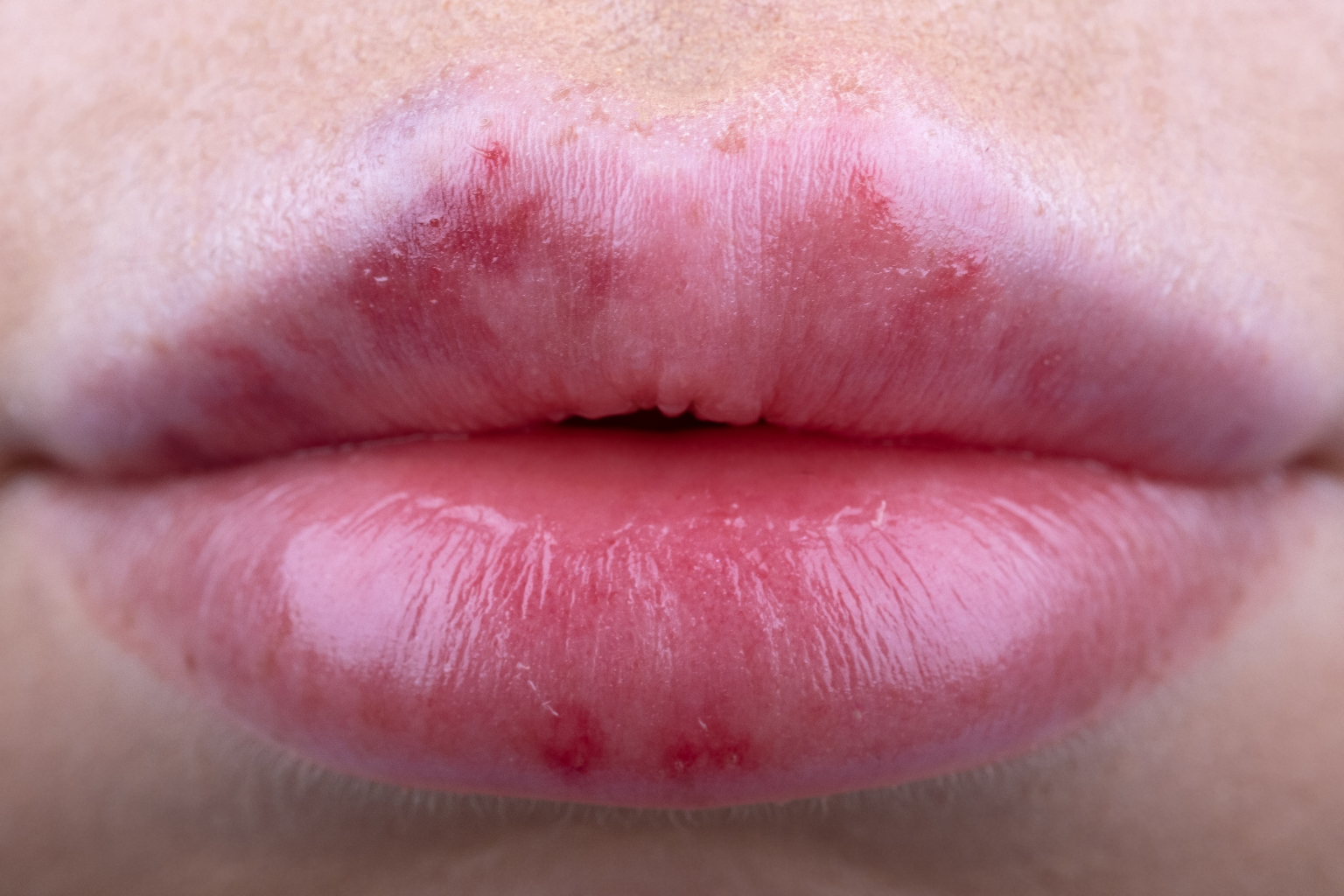
Most bruising resolves within five to seven days, though this varies from person to person. If yours looks the same or worse after several days rather than gradually fading, it is worth mentioning to your clinician.
Book a review at our Bishop's Stortford clinic and we'll check whether your bruising is healing as it should.
When should you see a doctor?
Occasional bruising is normal, but a few signs mean you should get it checked.
- Bruising or pain that is getting worse rather than better after the first two days
- Skin that turns pale, mottled or a dusky blue colour, which needs urgent attention
- Signs of infection such as increasing redness, warmth or discharge from an injection point
- Any bruising accompanied by vision changes, which should be treated as a medical emergency
Published clinical guidance on managing these reactions confirms that early recognition and prompt treatment lead to a better outcome, which is why it is always better to have a doctor take a look than to wait and see.
How SABA Health Clinic can help
At SABA Health Clinic in Bishop's Stortford, all aesthetic treatments are led by medically qualified clinicians in a safe, clinical environment.
- Same-week appointments with no GP referral needed
- Hyaluronidase available on-site to dissolve filler quickly if it is ever needed
- Clear aftercare guidance provided after every treatment
- Follow-up support if you have any concerns during your recovery
Book a review at our Bishop's Stortford clinic and we'll check whether your bruising is healing as it should.

.png)